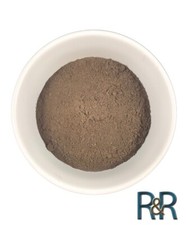
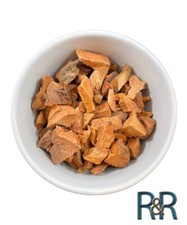
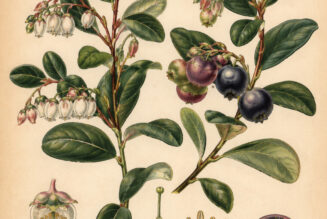
Greenbrier (Smilax spp.) is a hardy, thorny vine found throughout many parts of the world, particularly in North America. While it is often regarded simply as a wild woodland plant, Greenbrier has also found a place in the spiritual practices of some modern Pagans and witches. Although historical records documenting its magical use are limited, contemporary folk magic and nature-based traditions have assigned symbolic and ritual significance to this resilient plant.
One of Greenbrier’s strongest magical associations is protection. Its dense, thorn-covered vines are seen as natural barriers, making them symbolic of defense against harmful influences and unwanted energies. Practitioners may weave the vines into protective wreaths or place sections of the thorny stems near doorways, windows, or garden boundaries to represent spiritual protection and establish energetic boundaries.
Greenbrier is also associated with resilience, perseverance, and personal strength. Because it continues to thrive in challenging environments and quickly regrows after being cut back, it is sometimes incorporated into spells or rituals focused on overcoming obstacles, recovering from hardship, or building emotional endurance. Carrying a small piece of dried vine or using it on an altar may serve as a reminder of inner strength and determination.
In some forms of modern Paganism, Greenbrier is connected with the wildness of forests and the untamed aspects of nature. It may be included in seasonal celebrations honoring the earth, woodland spirits, or deities associated with wilderness and growth. The vine’s ability to climb and intertwine with surrounding vegetation has also led some practitioners to view it as a symbol of interconnectedness and the bonds between people, nature, and the spiritual world.
Greenbrier’s edible shoots and nutrient-rich berries have long been valued in traditional foraging, reinforcing its symbolism of survival and abundance. Some practitioners include these qualities in prosperity or gratitude rituals, giving thanks for nature’s provision and the gifts of the land.
It is important to note that Greenbrier’s magical uses vary widely among individual practitioners and traditions. Unlike herbs with extensive historical magical records, its role in witchcraft is largely shaped by personal experience, regional folklore, and modern interpretations. As with many plants in contemporary Pagan practice, Greenbrier’s symbolism continues to evolve, reflecting the diverse ways people connect with the natural world.