Gum Cistus, also known as labdanum, is a fragrant resin obtained from the leaves and stems of the Cistus shrub, commonly called the rockrose. Valued since ancient times for its rich, amber-like aroma, Gum Cistus has long been associated with spirituality, ritual, and sacred ceremonies. In many modern Pagan and witchcraft traditions, it is regarded as a powerful botanical ally for purification, protection, grounding, and enhancing magical intent.
One of the most common uses of Gum Cistus in Pagan practice is as an incense. When burned on charcoal, its warm, earthy fragrance is believed to cleanse ritual spaces, remove stagnant or unwanted energies, and prepare the environment for meditation, spellwork, or seasonal celebrations. Many practitioners include it in incense blends for Sabbats, full moon rituals, and devotional offerings to deities associated with nature, wisdom, or transformation.
In witchcraft, Gum Cistus is often linked with protection and psychic awareness. Some practitioners believe its resin helps strengthen intuition, deepen meditation, and encourage meaningful dreams. It may be used before divination practices such as tarot reading, scrying, or pendulum work, with the intention of creating a calm and focused state of mind. While these uses are rooted in spiritual belief rather than scientific evidence, they remain an important part of many contemporary magical traditions.
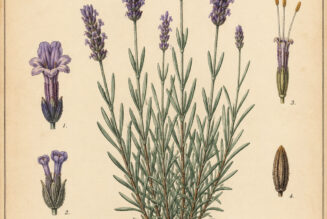
The resin is also incorporated into charm bags, spell jars, and anointing oils. It is commonly paired with herbs such as rosemary, frankincense, myrrh, or lavender to create blends intended for protection, healing, or spiritual growth. Some witches place a small piece of Gum Cistus on an altar as an offering or symbolic representation of resilience, as the rockrose plant is known for thriving in harsh environments.
For many Pagans, the act of working with Gum Cistus is as much about mindfulness and personal intention as it is about the resin itself. Whether burned during ritual, added to magical tools, or used in quiet meditation, it serves as a sensory reminder to focus on one’s spiritual path and connection with the natural world.
As with all practices in Paganism and witchcraft, the meanings and uses of Gum Cistus vary between traditions and individual practitioners, reflecting the diversity and personal nature of modern spiritual paths.