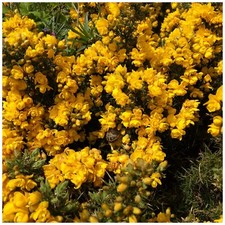
Gorse (Ulex europaeus) is a hardy, evergreen shrub covered in brilliant golden-yellow flowers that bloom across much of the year. Found throughout Europe, particularly in coastal and heathland landscapes, it has long held symbolic and magical significance in pagan traditions and modern witchcraft. Its resilience, vibrant color, and protective thorns have made it a respected plant in folklore and spiritual practice.
In many pagan traditions, gorse is associated with the sun, light, vitality, and renewal. Because it often flowers even during colder months, it symbolizes hope, endurance, and the promise that brighter days will return. This connection to the sun makes gorse a popular plant for celebrations of the spring equinox, Beltane, and other festivals that honor the growing strength of the sun and the fertility of the earth.
Within modern witchcraft, gorse is commonly used in protection magic. The plant’s sharp spines are believed to create a natural barrier against harmful influences, negative energy, and unwanted spirits. Small sprigs may be placed near doors or windows, carried in protective charm bags, or incorporated into wreaths intended to guard the home. Some practitioners also use fallen flowers in protective spell jars or altar decorations.
Gorse is also linked to prosperity and personal resilience. Its ability to flourish in poor soil and harsh conditions serves as a reminder of inner strength and determination. Witches may meditate with gorse or include it in rituals focused on overcoming obstacles, building confidence, or encouraging personal growth during difficult times.
The bright yellow blossoms are often associated with joy, creativity, and optimism. They may be added to seasonal offerings, used to decorate sacred spaces, or included in rituals that celebrate abundance, success, and new beginnings. Their cheerful appearance is thought to lift the spirit and invite positive energy into magical workings.
While gorse has a rich place in folklore and contemporary pagan practice, there is little historical evidence for a single, universal magical tradition surrounding the plant. Its spiritual meanings vary between regions and practitioners, reflecting the diverse and evolving nature of paganism and witchcraft. Today, gorse continues to be appreciated as a symbol of resilience, protection, hope, and the enduring power of nature in modern spiritual paths.