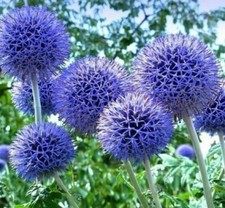
Globe thistle (Echinops spp.) is a striking plant recognized for its spherical blue or purple flower heads and spiny foliage. While it is better known as an ornamental garden plant, many modern Pagans and practitioners of witchcraft have adopted globe thistle into their spiritual and magical practices. Its symbolism is largely inspired by its appearance, traditional folklore surrounding thorny plants, and contemporary correspondences rather than extensive historical records.
In Pagan traditions, globe thistle is often associated with protection, resilience, and personal strength. The plant’s sharp spines symbolize the ability to guard oneself against unwanted influences while maintaining inner beauty and spiritual growth. Some practitioners place dried globe thistle near doorways or on household altars as a symbolic guardian, believing it helps create energetic boundaries and promotes a sense of security.
Within witchcraft, globe thistle is commonly included in protection spells, warding charms, and cleansing rituals. The thorny nature of the plant represents the power to repel harmful intentions, negative energy, and psychic interference. Dried flower heads may be incorporated into protective sachets, spell jars, or seasonal wreaths, while some practitioners use the blossoms as altar decorations during rituals focused on courage, perseverance, or personal transformation.
The vivid blue flowers are also linked with intuition, clear communication, and spiritual awareness in many modern magical correspondence systems. Because blue is often associated with calmness, truth, and wisdom, globe thistle may be used during meditation, divination, or rituals intended to strengthen inner clarity and insight. Some witches include the flowers in offerings to deities connected with wisdom, nature, or protection.
As with many magical herbs and flowers, the meanings assigned to globe thistle vary widely among different Pagan paths and magical traditions. There is limited historical evidence showing that globe thistle held a significant role in ancient European folk magic. Much of its current magical use reflects modern interpretations based on symbolic qualities, personal experience, and the broader tradition of using thorny plants for protection.
Today, globe thistle remains valued by many contemporary Pagans and witches as a powerful symbol of resilience, spiritual protection, and the balance between beauty and strength, making it a meaningful addition to personal rituals, sacred spaces, and seasonal celebrations.