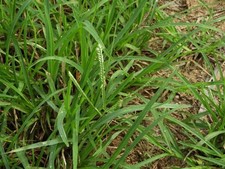
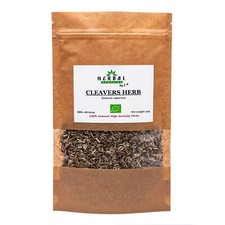
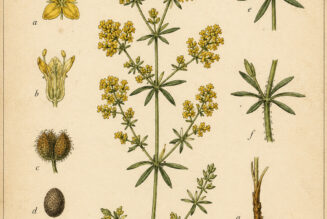
Goosegrass (Galium aparine), also known as cleavers, sticky weed, or catchweed, is a common hedgerow plant that has long held a place in European folk traditions. While it is best known today as a medicinal herb, many modern Pagans and practitioners of witchcraft also value Goosegrass for its symbolic and magical associations. These uses are largely based on folklore, personal spiritual practice, and contemporary magical traditions rather than historical evidence of widespread ritual use.
In Paganism, Goosegrass is often associated with growth, resilience, and connection. Its long, clinging stems symbolize the bonds between people, the natural world, and the spiritual realm. Because the plant readily attaches itself to clothing and animals, it is sometimes used in rituals intended to strengthen friendships, family ties, or community relationships. Some practitioners weave the fresh stems into small wreaths or charms as symbols of unity and enduring connections.
Within modern witchcraft, Goosegrass is believed by some to possess protective and cleansing qualities. It may be gathered during the spring or early summer and added to herbal sachets, placed on altars, or hung near doorways to symbolically encourage the removal of negative energy. Others incorporate it into ritual baths or floor washes intended to represent spiritual purification and renewal. These practices are symbolic and reflect personal or tradition-specific beliefs rather than scientifically verifiable effects.
Goosegrass is also connected with abundance and perseverance. Its vigorous growth and ability to flourish in disturbed ground make it a meaningful emblem of overcoming obstacles and adapting to change. During seasonal celebrations such as Beltane, some practitioners include Goosegrass in floral decorations or nature altars to honor the vitality and fertility of the earth.
In magical correspondence systems, Goosegrass is sometimes linked with the element of Water because of its cleansing associations, although some traditions emphasize its earthy qualities instead. Like many magical herbs, its correspondences vary between different paths and practitioners.
Although historical records of Goosegrass in pre-Christian ritual are limited, its continued presence in modern Pagan and witchcraft practices demonstrates how ordinary wild plants can acquire rich symbolic meaning. Whether used in charms, seasonal rituals, or meditation, Goosegrass serves as a reminder of nature’s persistence, interconnectedness, and quiet strength within contemporary spiritual traditions.