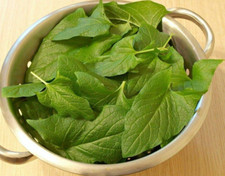
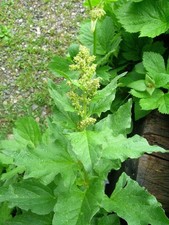
Good King Henry (Blitum bonus-henricus), sometimes called Poor Man’s Asparagus or Lincolnshire Spinach, is a hardy perennial herb that has long been valued for both its practical and symbolic qualities. While it is best known as an edible plant, modern pagan and folk magical traditions also associate it with protection, prosperity, and the nurturing energies of the earth.
In contemporary paganism, Good King Henry is often viewed as a symbol of resilience and abundance. Because it returns year after year with minimal care, it represents endurance, self-sufficiency, and the cyclical renewal of nature. These qualities make it a meaningful addition to gardens dedicated to seasonal celebrations, particularly those honoring spring and the return of fertile growth.
Within witchcraft and folk magic, Good King Henry is sometimes incorporated into rituals focused on home protection and household well-being. Practitioners may grow it near the entrance to a garden or home as a symbolic guardian, reflecting a broader tradition of using living plants as protective boundaries. Others include its leaves in herbal charms or place dried sprigs on an altar to represent stability, prosperity, and the sustaining gifts of the land.
The plant’s close connection to nourishment also gives it symbolic significance. As a nutritious leafy vegetable that supported rural communities for generations, Good King Henry can represent gratitude, resourcefulness, and the importance of caring for both body and spirit. Some pagans use it in seasonal feasts celebrating the harvest or the generosity of the Earth, offering thanks for the abundance of nature.
Although Good King Henry appears in some modern magical herbals, there is limited historical evidence that it played a major role in documented pre-Christian pagan rituals or in medieval European witchcraft. Much of its magical reputation comes from modern interpretations of traditional herbal symbolism rather than from surviving historical records. As with many herbs used in contemporary pagan practice, its meanings have evolved through personal experience, folklore, and modern spiritual traditions.
Today, Good King Henry remains appreciated not only as a useful edible perennial but also as a gentle reminder of resilience, abundance, and the enduring relationship between people and the natural world. Whether grown in a sacred garden or included in personal rituals, it reflects the values of sustainability, gratitude, and connection to the cycles of the seasons.