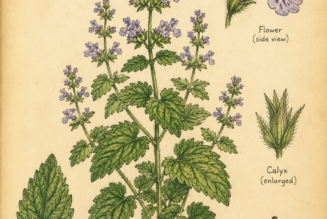
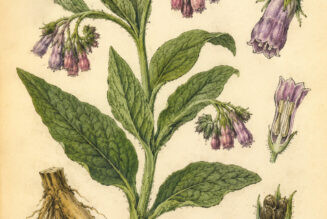
Ground ivy (Glechoma hederacea), also known as Creeping Charlie, Gill-over-the-Ground, and Alehoof, has long been valued in European folklore, traditional herbalism, and magical practice. Its ability to spread quickly across the earth and remain green throughout much of the year has made it a symbol of resilience, protection, and the enduring connection between humanity and the natural world. While historical evidence for specific magical uses varies by region and tradition, ground ivy has become a respected herb in many modern pagan and witchcraft practices.
In pagan traditions, ground ivy is often associated with the element of Earth because of its creeping growth habit and strong rooting nature. Practitioners may use it in seasonal celebrations that honor the return of spring, renewal, and the fertility of the land. Its vibrant green leaves can be woven into garlands, placed on altars, or included in nature-based rituals as a reminder of life’s continual cycles of growth and regeneration.
Within contemporary witchcraft, ground ivy is commonly regarded as a protective herb. It may be gathered respectfully and hung near doorways or windows to symbolize the warding away of unwanted influences. Some practitioners place sprigs beneath pillows or include them in charm bags intended to encourage clarity, intuition, and awareness. Because of its traditional association with clear sight, ground ivy is also believed by some to support spiritual perception and strengthen meditation or divination practices.
Ground ivy is sometimes burned as part of herbal incense blends or added to ritual baths, though it should be used carefully and only with proper knowledge of herbal safety. Others incorporate the plant into spell jars, offerings to nature spirits, or sacred garden spaces dedicated to deities connected with forests, healing, or the wild landscape.
Like many magical herbs, the significance of ground ivy depends largely on personal belief and spiritual tradition rather than scientific evidence. Its symbolism is rooted in folklore, cultural customs, and modern interpretations that continue to evolve. Whether used for protection, grounding, renewal, or spiritual focus, ground ivy serves as a reminder of the deep relationship between people and the living world. For many pagans and witches, this humble creeping plant represents the quiet yet persistent power of nature and the wisdom found in even the smallest green places.