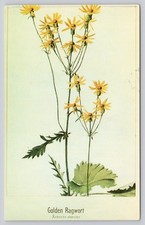
Golden Ragwort (Packera aurea, formerly Senecio aureus) is a bright yellow wildflower that blooms in spring and has long been admired for its vibrant appearance and connection to the changing seasons. While it is not among the most famous magical herbs, modern pagans and folk practitioners sometimes include Golden Ragwort in symbolic rituals inspired by nature, renewal, and the cycles of life.
In contemporary pagan traditions, Golden Ragwort is often associated with the returning warmth of spring. Its cheerful blossoms are seen as a reminder of the Earth’s awakening after winter, making it a suitable addition to seasonal celebrations such as Beltane or Ostara. Practitioners may place the flowers on altars, weave them into floral wreaths, or include them in offerings to honor the vitality and abundance of nature.
Within modern witchcraft, Golden Ragwort is valued primarily for its symbolic qualities rather than for any documented historical magical use. Some practitioners associate the golden flowers with the energy of the Sun, personal confidence, optimism, and spiritual growth. The plant may be used in spellwork or meditation intended to encourage fresh beginnings, creativity, or emotional resilience. Dried blossoms can also be added to decorative charm bags or seasonal displays that celebrate renewal and positive energy.
It is important to note that many magical correspondences assigned to Golden Ragwort today come from contemporary practice and personal spiritual interpretation rather than from extensive historical records. Different pagan paths and magical traditions often develop their own symbolic meanings for local plants based on observation, folklore, and personal experience. As a result, the significance of Golden Ragwort may vary widely between individuals and traditions.
Anyone gathering Golden Ragwort from the wild should do so responsibly by respecting local ecosystems and avoiding overharvesting. In addition, the plant contains pyrrolizidine alkaloids, compounds that can be toxic if ingested by humans or animals. For this reason, it should be used only as a decorative or symbolic element in rituals and never consumed unless under the guidance of a qualified botanical expert.
Golden Ragwort serves as a meaningful reminder of spring’s beauty, nature’s resilience, and the enduring relationship between the natural world and modern pagan spiritual practice.