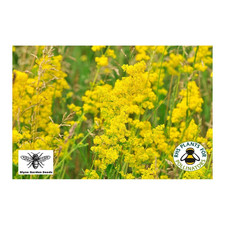
The plant Galium, commonly known as bedstraw or cleavers depending on the species, has long held a place in European folklore, pagan traditions, and magical practices. Valued for both its practical and symbolic qualities, Galium has been associated with protection, purification, love, and prosperity. While historical evidence varies between species, many modern pagans and practitioners of folk magic continue to incorporate Galium into rituals inspired by traditional beliefs.
In pre-Christian Europe, plants were often regarded as gifts from the natural world, each carrying its own spiritual energy. Galium was believed to possess cleansing properties, making it a popular herb for removing unwanted influences from homes and sacred spaces. Bundles of the dried plant were sometimes hung near doorways or placed beneath beds to ward off negative energy and encourage peaceful sleep.
Several species of Galium, particularly lady’s bedstraw (Galium verum), have been linked to fertility, love, and abundance. In some folk traditions, the plant was woven into garlands or added to midsummer celebrations to honour the changing seasons and the fertility of the land. Its bright yellow flowers and sweet fragrance symbolized warmth, joy, and the blessings of the sun.
Modern witchcraft often attributes protective correspondences to Galium. Practitioners may include it in herbal sachets, charm bags, or altar decorations intended to promote harmony and spiritual balance. It is also used in cleansing rituals, where the herb represents the release of stagnant energy and the welcoming of fresh beginnings. Some traditions associate Galium with the element of Earth due to its grounding qualities and close connection with the countryside.
Galium has also been used in divination and dream work. Placing the herb beneath a pillow is said in folklore to encourage vivid dreams, spiritual insight, or guidance from ancestors and nature spirits. Although these beliefs are rooted in tradition rather than scientific evidence, they remain meaningful symbolic practices for many contemporary pagans.
Today, Galium continues to be appreciated not only for its medicinal and ecological value but also for its place in nature-based spirituality. Whether used in seasonal rituals, protective charms, or personal meditation, the herb serves as a reminder of humanity’s enduring relationship with the natural world and the symbolic power that plants have held throughout history.