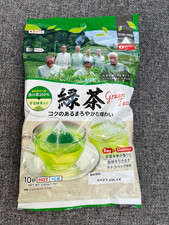
Green tea, derived from the leaves of the Camellia sinensis plant, is widely celebrated for its health benefits, but it also holds a meaningful place in modern pagan and witchcraft traditions. While green tea does not have the extensive historical magical associations of herbs such as mugwort or rosemary, many contemporary practitioners value it for its symbolism of purity, clarity, healing, and spiritual awareness.
In many pagan practices, plants are appreciated for both their physical properties and their energetic qualities. Green tea’s fresh, vibrant leaves are often associated with renewal, growth, and the life-giving energy of nature. These qualities make it a popular ingredient in seasonal rituals, particularly those celebrating spring, personal transformation, or new beginnings.
Within modern witchcraft, green tea is commonly incorporated into tea rituals and spellwork focused on mindfulness, healing, and prosperity. Practitioners may brew a cup of green tea before meditation or divination to encourage mental clarity and concentration. The simple act of preparing the tea can become a magical ritual in itself, with intentions spoken or silently visualized as the leaves steep in hot water.
Green tea may also be included in herbal sachets, spell jars, or offerings placed on altars dedicated to nature deities or ancestral spirits. Some witches believe its gentle, uplifting energy supports emotional balance and encourages wisdom when making important decisions. Because it is associated with growth and abundance, it is sometimes combined with herbs such as basil, mint, or cinnamon in prosperity-focused workings.
The color green carries strong symbolic meaning in many pagan traditions. It represents fertility, abundance, healing, the Earth, and the heart chakra in many modern spiritual systems. Drinking green tea during rituals or festivals can therefore serve as a symbolic act of connecting with nature and inviting harmony into one’s life.
It is important to note that these magical correspondences are based primarily on modern spiritual beliefs and personal practice rather than historical or scientific evidence. Different pagan paths and witchcraft traditions assign different meanings to plants, and there is no universal interpretation. For many practitioners, green tea is valued less for ancient folklore than for its calming qualities and its ability to support intentional, reflective spiritual practice.