Guava (Psidium guajava) is best known as a tropical fruit tree valued for its nutritious fruit and medicinal leaves. Although it does not occupy the same prominent place in European pagan traditions as plants such as oak, mugwort, or rowan, modern pagan and folk magic practitioners have incorporated guava into spiritual practices by drawing on its natural symbolism and traditional healing associations.
In contemporary witchcraft, guava is often associated with health, vitality, abundance, and protection. The tree’s ability to produce plentiful fruit symbolizes prosperity and the rewards of patience and care. Some practitioners place fresh guava fruit on altars during seasonal celebrations as an offering to nature spirits, ancestors, or deities connected with fertility, harvest, and the earth. The fruit may also represent gratitude for life’s blessings and the abundance provided by the natural world.
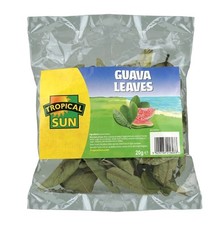
Guava leaves have long been used in traditional herbal medicine in many tropical cultures. Because of these healing associations, some modern witches use the leaves in rituals focused on physical wellness, emotional recovery, and spiritual cleansing. Dried guava leaves may be added to herbal sachets, charm bags, or ritual baths with the symbolic intention of encouraging purification and renewal. These practices are based on symbolic correspondences rather than scientifically proven magical effects.
The wood and branches of the guava tree may also be used in simple ritual tools or as fuel for ceremonial fires. In some personal magical traditions, burning guava wood or leaves is believed to symbolize releasing negativity and inviting positive energy. However, these practices vary widely among individuals and are not part of any universally recognized pagan tradition.
It is important to note that there is little historical evidence linking guava to ancient European pagan religions or traditional witchcraft. Most magical uses of guava have developed within modern eclectic paganism, contemporary witchcraft, and folk spiritual practices, where practitioners often adapt locally available plants into their rituals. As with many plants, the meanings assigned to guava are symbolic and depend on personal belief, cultural context, and spiritual tradition.
Today, guava serves as an example of how modern practitioners blend botanical knowledge, cultural traditions, and personal symbolism to create meaningful rituals that honor nature, healing, abundance, and the interconnectedness of all living things.