We would like to disclose that this website may contain affiliate links. This means that if you click on a product link and make a purchase, we may earn a commission. As an Amazon & eBay Partner Network Associate, we earn from qualifying purchases.
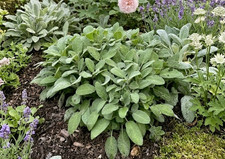
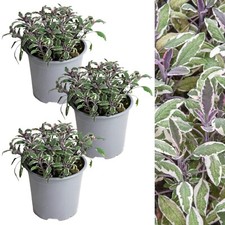
Garden sage (Salvia officinalis) has long held a place of honor in many pagan and witchcraft traditions. Valued for its earthy aroma, healing properties, and symbolic associations, this common herb is often used in rituals focused on wisdom, purification, protection, and spiritual growth. While different traditions have unique beliefs and practices, garden sage remains one of the most versatile magical herbs in contemporary paganism.
In many forms of modern witchcraft, garden sage is associated with cleansing negative energy. Its leaves may be burned as incense or placed on charcoal to create fragrant smoke believed to symbolically purify ritual spaces, magical tools, or personal altars. Unlike the white sage traditionally used in some Indigenous North American ceremonies, garden sage has deep roots in European herbal traditions and is often chosen by practitioners seeking a sustainable and culturally appropriate alternative.
Garden sage is also linked with wisdom, longevity, and clear thinking. Its botanical name, Salvia, comes from the Latin word salvare, meaning “to heal” or “to save.” Because of this connection, practitioners may incorporate sage into spells or rituals intended to promote insight, good judgment, or personal transformation. Fresh or dried leaves are sometimes carried in charm bags, placed on altars, or added to spell jars for these symbolic purposes.
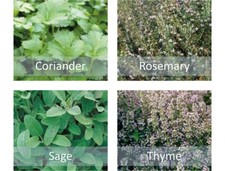
Protection is another common magical association. Some pagans hang bundles of dried garden sage near doorways or windows as a symbolic barrier against unwanted influences. Others combine it with herbs such as rosemary, lavender, or thyme in protective sachets or ritual blends.
Garden sage also appears in seasonal celebrations, particularly those honoring the harvest and the changing cycles of nature. During festivals such as Mabon or Samhain, it may be offered to deities, ancestors, or nature spirits as an expression of gratitude and remembrance. These practices reflect the pagan emphasis on living in harmony with the natural world and recognizing the spiritual significance of plants.
It is important to remember that paganism and witchcraft encompass a wide variety of beliefs, and there is no single, universal way to use garden sage. For many practitioners, its value lies not only in folklore and symbolism but also in the mindful intention brought to each ritual. Whether used for cleansing, protection, or meditation, garden sage continues to be cherished as a meaningful and respected magical herb.