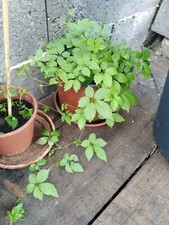
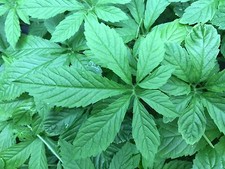
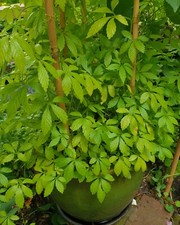
Gynostemma (Gynostemma pentaphyllum), often called “Jiaogulan” or the “herb of immortality,” is primarily known in traditional Asian herbal practices for its reputed health-supporting properties. Although it does not have a long-established historical role in European paganism or traditional Western witchcraft, many contemporary pagan and magical practitioners have adopted it into their spiritual practices because of its symbolism and energetic associations.
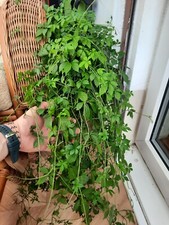
In modern pagan traditions, Gynostemma is often viewed as a plant representing longevity, resilience, renewal, and harmony with nature. Its vigorous climbing growth and ability to thrive in a variety of environments make it a symbolic reminder of adaptability and life’s continuous cycles. These qualities align well with pagan beliefs that emphasize the interconnectedness of all living things and the changing rhythms of the natural world.
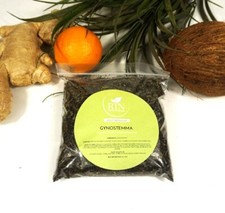
Within contemporary witchcraft, Gynostemma is sometimes included in rituals or spellwork intended to promote healing, vitality, inner balance, and spiritual growth. Practitioners may brew it as a tea before meditation, seasonal ceremonies, or personal rituals to encourage a sense of calm and mindful awareness. Others may place dried leaves on an altar as an offering to nature spirits or deities associated with health, abundance, or renewal.
Some witches also incorporate Gynostemma into herbal sachets, charm bags, or ritual blends. In these practices, the herb may symbolize endurance during difficult times, personal transformation, and the cultivation of emotional or spiritual strength. Because of its association with long life, it may also appear in rituals focused on blessing loved ones with health, protection, or continued well-being.
It is important to distinguish between historical evidence and modern spiritual interpretation. There is little documented evidence that Gynostemma played a significant role in ancient pagan religions or historical European folk magic. Most magical correspondences linked to the plant have developed within contemporary pagan and eclectic witchcraft communities, where practitioners often assign symbolic meanings based on a plant’s appearance, growth habits, traditional medicinal reputation, or personal spiritual experience.
Today, Gynostemma serves as an example of how modern paganism continues to evolve, blending historical traditions with new botanical knowledge. For many practitioners, the herb represents vitality, resilience, and a respectful connection to the healing power of the natural world.