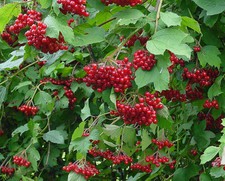
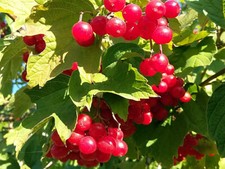
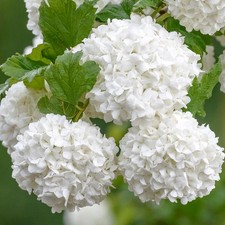
The Guelder Rose (Viburnum opulus) has long been admired for its striking white blossoms, bright red berries, and rich symbolism. Although it is not as widely associated with magical traditions as plants such as rowan or hawthorn, the Guelder Rose has found a place in modern paganism and contemporary witchcraft through its connections with protection, transformation, and the cycles of nature.
In many pagan traditions, the Guelder Rose is valued as a symbol of the changing seasons. Its delicate flowers appear in late spring, representing new beginnings, growth, and fertility. As the year progresses, these blossoms give way to vibrant red berries that persist into autumn and winter, symbolizing endurance, wisdom, and the promise of renewal after periods of darkness. This seasonal transformation makes the shrub an appropriate addition to rituals celebrating the Wheel of the Year, particularly Beltane, Mabon, and Samhain.
Practitioners of modern witchcraft often associate the Guelder Rose with protective magic. Branches may be placed near the entrance of a home or included in seasonal decorations to encourage a sense of safety and positive energy. The berries, admired for their vivid colour, are sometimes incorporated into spell jars, charms, or altar displays as symbols of vitality, resilience, and the life force. Because the raw berries can be mildly toxic and may cause stomach upset if consumed, they are generally used for symbolic rather than edible purposes in magical practice.
The rounded clusters of flowers are also seen as representing unity, community, and the interconnectedness of all living things. For this reason, the Guelder Rose may be included in rituals focused on strengthening relationships, fostering harmony, or honouring family and ancestors. Its natural beauty encourages mindfulness and reflection, making it a suitable plant for meditation and seasonal offerings.
It is important to note that historical evidence linking the Guelder Rose to ancient pagan rituals is limited. Much of its magical significance comes from modern pagan and witchcraft traditions, where practitioners assign symbolic meanings based on the plant’s appearance, life cycle, and folklore. As with many plants used in contemporary spiritual practices, its value lies less in documented historical use and more in the personal and communal meanings that practitioners continue to cultivate today.