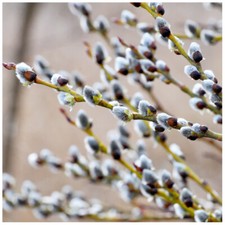
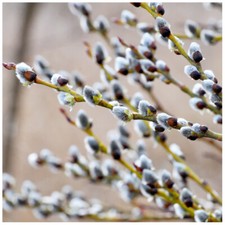
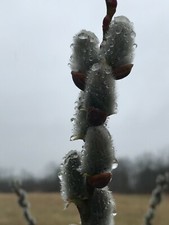
Goat Willow (Salix caprea), sometimes known as pussy willow because of its soft spring catkins, has long held symbolic and spiritual significance in various pagan traditions and modern witchcraft. As one of the first trees to show signs of life after winter, it is closely associated with renewal, fertility, intuition, and the returning energy of spring.
In many European pagan beliefs, willow trees were regarded as sacred because of their close connection to water, the Moon, and the cycles of nature. Although the Weeping Willow is more commonly featured in folklore, Goat Willow shares many of the same magical correspondences. It is believed to embody flexibility, emotional healing, and the ability to adapt during times of change. Its early blossoms are often seen as symbols of hope, new beginnings, and the awakening of the Earth after the cold months.
Within contemporary witchcraft, Goat Willow branches and catkins are sometimes used in seasonal rituals celebrating the spring equinox or Beltane. Practitioners may place fresh branches on altars to represent growth, fertility, and the renewal of life. The soft catkins are also valued as reminders of gentleness and the nurturing aspects of nature.
Some witches use Goat Willow in meditation or spellwork intended to encourage emotional healing, strengthen intuition, or foster personal transformation. Small twigs may be fashioned into simple charms or woven into wreaths that symbolize protection and the continuous cycle of life, death, and rebirth. Because willow wood bends without easily breaking, it also represents resilience and the ability to overcome adversity.
Goat Willow is frequently associated with lunar energy due to the traditional connection between willow trees and the Moon. As a result, some practitioners incorporate its branches into full moon rituals or reflective practices aimed at enhancing inner wisdom and spiritual awareness. Willow’s natural affinity with damp environments further links it to the element of Water, reinforcing themes of intuition, dreams, cleansing, and emotional balance.
It is important to note that these beliefs are rooted in folklore, spiritual traditions, and personal religious practice rather than scientific evidence. Different pagan paths and witchcraft traditions may interpret Goat Willow’s symbolism in different ways. For many practitioners today, the tree serves as a meaningful reminder of nature’s resilience, the changing seasons, and the enduring cycles of growth, renewal, and transformation.