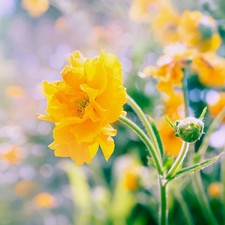
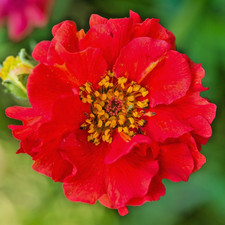
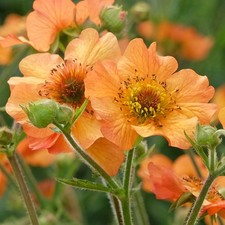
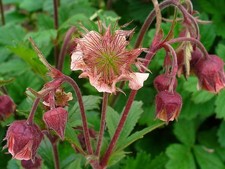
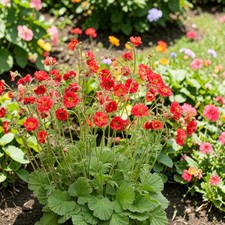
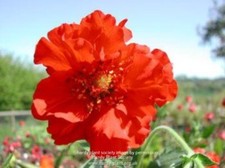
Geum is a flowering perennial herb belonging to the rose family (Rosaceae). Known for its bright yellow, orange, or red blossoms and clove-scented roots in some species, Geum has long been valued in European folklore and traditional herbal practices. While historical evidence for its ritual use is limited compared with herbs such as mugwort or vervain, modern Pagan and witchcraft traditions often include Geum in symbolic and magical workings inspired by folklore and herbal correspondences.
In contemporary Paganism, Geum is commonly associated with protection, courage, and grounding. Many practitioners believe that carrying dried Geum root or placing it near the entrance of a home helps create a protective spiritual boundary. This use reflects a broader folk tradition in which aromatic plants were believed to ward off harmful influences and invite positive energy into a sacred space.
Within witchcraft practices, Geum is often incorporated into charms, sachets, and spell jars. It may be blended with other protective herbs, such as rosemary or bay leaves, for rituals focused on safeguarding the home, strengthening personal resilience, or promoting confidence. Some practitioners also burn small amounts of dried Geum as incense, although care should always be taken to ensure safe and well-ventilated use. The fragrant root is thought to aid meditation and enhance focus during ritual work.
Geum can also play a role in seasonal celebrations. During spring and early summer festivals, its colourful flowers may be placed on altars to symbolize renewal, growth, and the return of warmth after winter. In nature-based spiritual paths, the plant serves as a reminder of resilience, flourishing in woodland edges, meadows, and gardens despite changing conditions.
It is important to distinguish between documented historical practices and modern spiritual interpretations. Much of Geum’s current magical reputation comes from contemporary herbal correspondence systems rather than extensive historical records of medieval or ancient Pagan rituals. As with many plants used in modern witchcraft, its symbolism has evolved through a blend of folklore, personal experience, and modern spiritual traditions.
Today, Geum remains appreciated not only for its ornamental beauty and herbal history but also as a meaningful symbol of protection, strength, and connection with the natural world for many Pagans and witches.