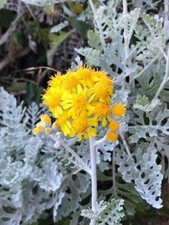
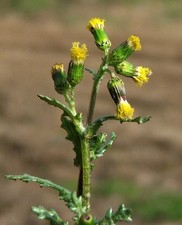
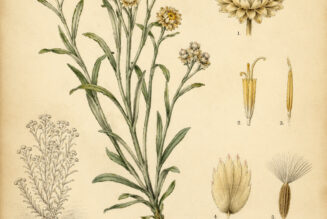
Groundsel (Senecio vulgaris) is a humble wild herb that has long been associated with folk magic, pagan traditions, and certain forms of modern witchcraft. Although often dismissed as a common weed, Groundsel has held symbolic importance for practitioners who value the spiritual qualities of plants found growing naturally in fields, gardens, and pathways.
In many pagan traditions, Groundsel represents resilience, adaptability, and the cycle of life. Because it grows quickly in disturbed ground and flourishes in challenging conditions, it is seen as a reminder that life continues even after periods of hardship. Some practitioners gather the herb respectfully as part of seasonal rituals celebrating renewal, growth, and the changing of the seasons.
Within modern witchcraft, Groundsel is sometimes included in herbal charm bags, altar displays, or nature-based rituals. It is often associated with protection, release, and transformation. Some witches believe that carrying a small amount of dried Groundsel symbolizes the ability to overcome obstacles and embrace personal change. Others place it on an altar to honor the untamed spirit of nature and the abundance found in overlooked places.
Groundsel may also be used symbolically during rituals focused on letting go of negative emotions, old habits, or unwanted influences. Rather than being viewed as possessing supernatural powers, the plant often serves as a physical reminder of the practitioner’s intentions and personal growth. Its presence can help create a meaningful connection between the natural world and spiritual practice.
As with many magical herbs, the significance of Groundsel varies widely between traditions and individual practitioners. Historical evidence for its ritual use is limited, and many modern associations come from contemporary folk magic and personal spiritual practices rather than ancient documented customs. Paganism and witchcraft are diverse paths, and correspondences assigned to herbs often evolve over time through experience and symbolism.
It is important to remember that Groundsel contains toxic compounds known as pyrrolizidine alkaloids, which can cause serious liver damage if consumed. For this reason, it should not be used in teas, food, or medicinal preparations. In modern pagan and witchcraft practices, Groundsel is generally appreciated for its symbolic and ritual significance rather than for ingestion, allowing practitioners to honor the plant while respecting its potential hazards.