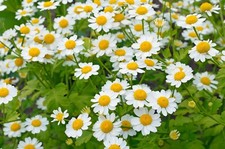
Feverfew (Tanacetum parthenium) is a small flowering herb with bright white petals and yellow centers that resemble tiny daisies. Native to southeastern Europe but now grown throughout many parts of the world, it has long been valued in traditional herbal practices. Its fresh, slightly bitter scent and cheerful appearance have made it a familiar plant in cottage gardens for centuries. While it is best known for its historical use in herbal medicine, Feverfew also has a respected place in pagan traditions and modern witchcraft.
In many pagan beliefs, Feverfew is associated with protection, purification, and healing. Its ability to thrive in a variety of conditions symbolizes resilience, renewal, and the strength to overcome challenges. Some practitioners plant Feverfew near the entrance of a home or around a garden as a symbolic guardian, believing it helps create a peaceful and protected space by discouraging harmful or negative influences.
In witchcraft, Feverfew is commonly used in spells and rituals focused on emotional healing, personal strength, and spiritual cleansing. It may be added to herbal sachets, charm bags, or protective spell jars alongside other herbs chosen for similar magical purposes. Some witches place dried Feverfew on their altar to represent health, balance, and the restoration of inner harmony. Others burn it as incense, where appropriate and safely, or include it in ritual baths intended to wash away emotional burdens and encourage a fresh beginning.
Feverfew is also connected with the element of Air because of its uplifting qualities and association with clarity of thought. Some magical traditions link it with the Sun, seeing its bright flowers as symbols of light, vitality, optimism, and positive energy. These correspondences make it a popular herb for rituals performed to increase confidence, improve focus, or invite joy into daily life.
Although Feverfew holds a meaningful place in folklore and magical practice, its spiritual uses are based on cultural traditions, personal beliefs, and symbolism rather than scientific evidence. Whether grown in a garden, placed on an altar, or used in ritual work, Feverfew continues to be appreciated by many modern pagans and witches as a symbol of healing, protection, hope, and enduring inner strength.