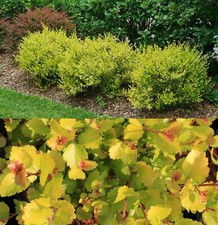
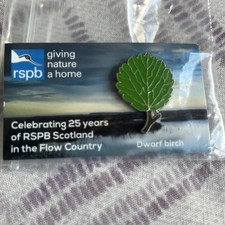
The Dwarf Birch (Betula nana) is a small, hardy shrub that thrives in cold northern regions, including the Arctic, Scandinavia, Scotland, and other mountainous landscapes. Unlike its tall birch relatives, the Dwarf Birch grows close to the ground, rarely reaching more than a metre in height. Its small, rounded leaves turn brilliant shades of yellow and orange in autumn, making it a striking feature of harsh environments where few other woody plants can survive.
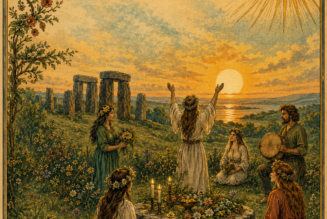
Throughout history, birch trees have been admired for their resilience, adaptability, and ability to flourish in difficult conditions. Although the Dwarf Birch is not as widely mentioned in folklore as the Silver Birch, it shares many of the same symbolic qualities. In many pagan traditions, birch is associated with new beginnings, purification, renewal, and the return of light after winter. It is often linked to the changing seasons and the cycle of life, death, and rebirth.
In modern witchcraft, the Dwarf Birch is valued as a symbol of endurance and quiet strength. Because it survives in windswept tundra and rocky hillsides, it represents perseverance through hardship and the ability to grow despite challenging circumstances. Practitioners may work with its twigs, leaves, or naturally fallen wood during rituals focused on personal growth, overcoming obstacles, or embracing change.
The Dwarf Birch is also connected with the element of Earth, grounding magical energy and encouraging stability. Some witches use birch wood to craft small charms or talismans intended to promote protection, fresh starts, and emotional healing. The leaves may be included in herbal sachets or seasonal decorations celebrating the arrival of spring or honouring nature’s resilience.
As with all wild plants, the Dwarf Birch should be gathered responsibly and only where permitted, ensuring that natural habitats remain undisturbed. Whether appreciated for its ecological importance or its spiritual symbolism, the Dwarf Birch serves as a reminder that strength does not always come in great size. Even the smallest trees can endure the harshest climates, offering inspiration, hope, and a powerful connection to the enduring rhythms of the natural world.