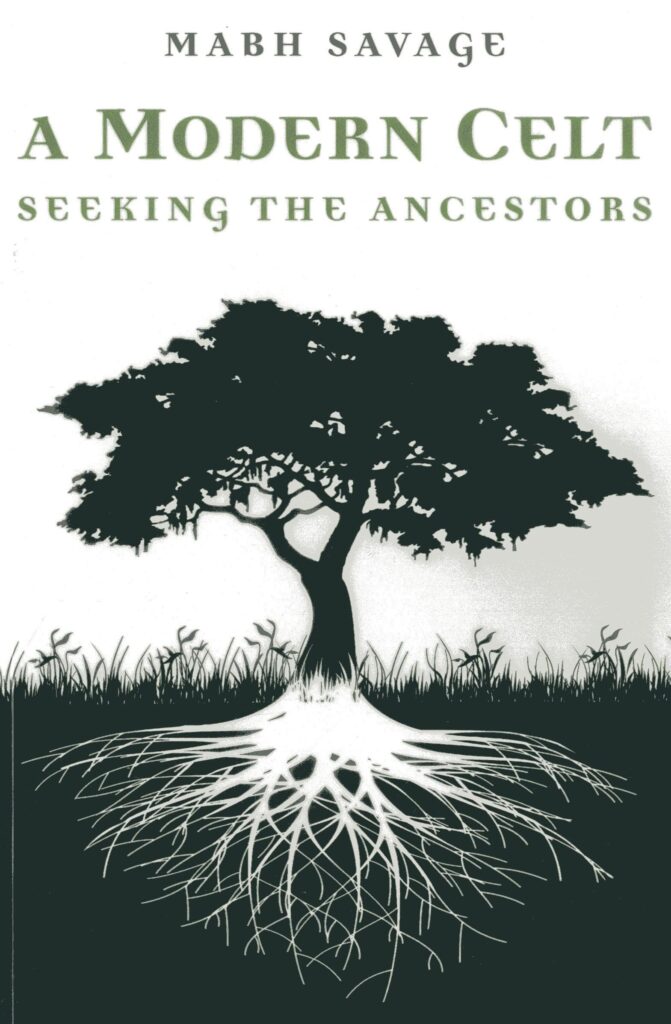
“A Modern Celt.” This book serves as a bridge between the ancient wisdom of the Celts and our fast-paced modern world. Drawing from a rich tapestry of stories, myths, and traditions passed down through generations, the author shows how these old ideas can still guide us today, even in a world full of technology and constant change.
One of the book’s greatest strengths is its introduction to the Tuatha de Danaan, the legendary beings of Celtic mythology. Figures like Lugh, the skilled craftsman and warrior; Brigid, the goddess of poetry, healing, and fire; and the Morrigan, the mysterious goddess of fate and battle, are brought to life through engaging stories. The author doesn’t just list facts, but shares the myths in a way that feels personal and relevant. For example, you might read about Brigid’s creative spark and find tips for bringing more creativity into your daily routine, or learn about Lugh’s courage and discover ways to face your own challenges with bravery. These stories are easy to follow, making them perfect for beginners, but they also offer deeper meaning for those who want to reflect on their own spiritual journey.
The book also explains how the Celtic people viewed time as a cycle, not a straight line. It introduces the wheel of the year—a calendar of seasonal festivals marking nature’s turning points. You’ll learn about Samhain, which honors ancestors and marks the start of winter; Imbolc, a celebration of new beginnings and the return of light; Beltane, a joyful festival of fire and fertility; and Lughnasadh, a time to give thanks for the first harvest. Each festival is described with practical ideas for celebrating, such as lighting candles, preparing special foods, or spending time outdoors. The author includes simple rituals and meditations you can try at home, making it easy to connect with the rhythms of nature wherever you live. These sections are especially helpful for people new to Celtic spirituality or looking for inspiration to deepen their practice.
However, “A Modern Celt” is more of a gentle introduction than a deep dive into history. If you’re looking for a book packed with historical facts or academic analysis, you might find this one a bit light. The author often shares personal stories and reflections, which make the book feel warm and relatable, but sometimes these stories repeat or drift from the main topic. Still, these personal touches can help readers feel less alone on their spiritual path, especially if they’re just starting out.
One of the most inspiring parts of the book is its focus on caring for the earth. The author encourages readers to develop a respectful, loving relationship with nature, whether that means tending a garden, picking up litter, or simply spending quiet time outdoors. There are practical suggestions for living more sustainably, like using natural materials in rituals, reducing waste, or supporting local farmers. The book also shares stories from modern practitioners who have found meaning in Celtic traditions, showing how these ancient ideas can inspire real change in our lives today.
Throughout “A Modern Celt,” the tone remains friendly, encouraging, and down-to-earth. The author invites readers to explore at their own pace, reminding us that there’s no single “right” way to practice Celtic spirituality. You’ll find tips for journaling, creating simple altars, and connecting with the elements—earth, air, fire, and water. There are also suggestions for group activities, like gathering with friends to celebrate the solstices or sharing stories around a bonfire. The book even includes creative exercises, such as drawing runes, writing poetry, or making vision boards with magical symbols and affirmations. These activities help make the spiritual journey feel fun and accessible, no matter your background or experience level.
In summary, “A Modern Celt” is a welcoming and practical guide for anyone curious about Celtic spirituality. It’s easy to read, full of clear explanations, and packed with ideas for connecting with nature and ancient traditions. Whether you’re looking for a gentle introduction, creative inspiration, or simple rituals to try at home, this book is a great place to start. It reminds us that the wisdom of the past can still light our way today—and that anyone can find their own path, one step at a time.