We would like to disclose that this website may contain affiliate links. This means that if you click on a product link and make a purchase, we may earn a commission. As an Amazon & eBay Partner Network Associate, we earn from qualifying purchases.
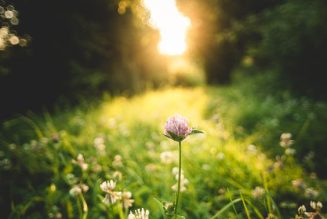
Hedge Woundwort (Stachys sylvatica) is a native woodland plant found throughout much of Britain and Europe. Recognisable by its tall stems, heart-shaped leaves, and deep purple flowers, it has long been valued in traditional herbal lore. While modern herbalists know it primarily for its historical use in treating cuts and wounds, many Pagans and witches also regard Hedge Woundwort as a plant of healing, protection, and spiritual restoration.
In folk magic, Hedge Woundwort is closely associated with mending what has been broken, whether physical, emotional, or spiritual. Just as it was once applied to cuts and bruises, practitioners often view its energy as helping to heal damaged relationships, ease emotional pain, and encourage recovery after periods of hardship. It is commonly gathered respectfully during the summer months, with many offering a small prayer or gift to the spirits of the land before harvesting.
The plant also has protective qualities within many magical traditions. Fresh or dried Hedge Woundwort may be placed above doorways, added to protective sachets, or included in charms designed to keep harmful influences away from the home. Some solitary practitioners carry a small piece in a pouch when travelling through unfamiliar places, believing it offers both physical and spiritual safeguarding.
Because it naturally grows along woodland edges, hedgerows, and boundaries, Hedge Woundwort is sometimes viewed as a liminal plant. In Pagan symbolism, these boundary places represent the meeting point between the ordinary world and the spirit realm. For this reason, some witches use the herb during meditation, ancestor work, or seasonal rituals to strengthen their connection with nature spirits and the unseen world.
Hedge Woundwort is also included in healing incense blends, herbal spell jars, and ritual baths intended to release negativity and promote inner peace. Its earthy fragrance reminds practitioners of the restorative power of the natural world and the importance of allowing both body and spirit time to recover.
Although there is little historical evidence for a single universal magical tradition surrounding Hedge Woundwort, its long-standing reputation as a healing herb has naturally found a place in modern Paganism and contemporary witchcraft. Today it serves as a symbol of resilience, renewal, protection, and the quiet strength that grows wherever nature is allowed to flourish.


![HEDGE WOUNDWORT - [Stachys sylvatica L.] - dried herb](https://i.ebayimg.com/images/g/TN0AAOSwxQ5oV7f~/s-l225.jpg)