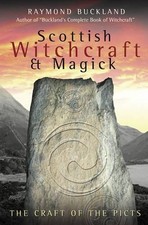
Raymond Buckland’s Scottish Witchcraft: The History and Magick of the Picts is a fascinating blend of history, folklore, and practical spirituality that seeks to introduce readers to “PectiWita,” a form of witchcraft that Buckland associates with the ancient Picts of Scotland. First published in 1991, the book remains a noteworthy contribution to modern pagan literature, particularly for those interested in solitary practice and Scottish magical traditions.
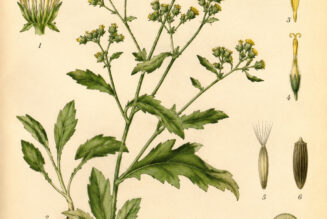
One of the book’s greatest strengths is its accessibility. Buckland writes in a clear and engaging style, making complex spiritual concepts easy to understand for beginners while still offering enough depth to interest experienced practitioners. The text combines historical discussions of the Picts with practical instructions on rituals, tools, herbal lore, symbols, and magical workings. Readers are guided through a spiritual path that emphasizes harmony with nature and the integration of magic into everyday life rather than elaborate ceremonial practices.
The historical sections are particularly intriguing, as Buckland attempts to reconstruct aspects of Pictish spirituality and culture. However, this is also where the book faces criticism. Modern scholarship on the Picts has advanced significantly since the book’s publication, and some researchers and readers have questioned the historical accuracy of certain claims and the extent to which PectiWita can genuinely be linked to ancient Pictish traditions. Several reviewers note that parts of the historical material now feel dated and would benefit from revision in light of newer archaeological and historical evidence.
Despite these concerns, the book should not be dismissed. It is best appreciated as a spiritual and magical system inspired by Scottish folklore rather than as a strictly academic study. Buckland’s passion for the subject is evident throughout, and his emphasis on solitary practice makes the book especially appealing to readers who wish to explore witchcraft independently.
Overall, Scottish Witchcraft is an engaging and thought-provoking work that successfully combines myth, magic, and personal spirituality. While readers should approach its historical assertions with a critical eye, the book remains a valuable and enjoyable resource for anyone interested in Scottish-inspired witchcraft and modern pagan traditions.