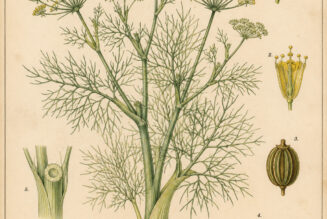
Hedge parsley (Torilis japonica and related Torilis species) is a modest wild plant that grows along hedgerows, woodland edges, old pathways, and forgotten corners of the countryside. Although it does not enjoy the same widespread magical reputation as herbs such as mugwort, rosemary, or yarrow, many modern pagans and traditional folk practitioners value hedge parsley because of the symbolism of the places where it naturally thrives. It is often associated with boundaries, hidden paths, protection, and the quiet strength found in nature.
For many solitary pagans, hedgerows have long been regarded as liminal places—spaces that exist between the cultivated world and the untamed wilderness. Since hedge parsley flourishes in these borderlands, it has become linked with transition, personal growth, and spiritual journeys. Some practitioners gather the plant while walking ancient footpaths or country lanes, viewing it as a reminder that every spiritual path begins with a single step into the unknown.
In modern witchcraft, hedge parsley is sometimes included in protection charms. Small sprigs may be dried and placed inside protective sachets or spell bags alongside herbs such as rosemary, hawthorn leaves, and nettle. These charms are often intended to symbolically guard the home, protect travellers, or strengthen personal boundaries. While these practices belong to modern folk magic rather than documented historical traditions, they reflect the plant’s natural association with hedges and protective boundaries.
The seeds of hedge parsley, which cling easily to clothing and animal fur, have inspired symbolic magical uses connected with attraction and persistence. Some witches see these burr-like seeds as representing opportunities that “stick” to a person, making them suitable for prosperity, friendship, or success spells. Others use them in workings designed to help positive intentions remain firmly rooted rather than being forgotten.
The plant can also be placed upon an altar during seasonal celebrations, particularly around late spring and midsummer, to honour the abundance of Britain’s hedgerows. As with many wild plants, it serves as a reminder that the sacred is often found not in rare or exotic herbs, but in the ordinary plants growing quietly all around us.
Although there is little historical evidence that hedge parsley held a major role in ancient pagan rituals, its symbolism fits naturally within modern pagan spirituality. It encourages practitioners to respect wild places, recognise the power of natural boundaries, and appreciate the quiet wisdom offered by the humble plants that line our everyday paths.