We would like to disclose that this website may contain affiliate links. This means that if you click on a product link and make a purchase, we may earn a commission. As an Amazon & eBay Partner Network Associate, we earn from qualifying purchases.
False Unicorn Root (Chamaelirium luteum) is a woodland wildflower native to eastern North America. Despite its enchanting name, it is not related to true unicorns of folklore but earned its title because its flowering stalk resembles the spiraled horn of the mythical creature. The plant has a long history in traditional herbalism, particularly for supporting women’s reproductive health, where it was valued by Indigenous peoples and later adopted by early American herbal practitioners.
In paganism and modern witchcraft, False Unicorn Root is respected as a symbol of feminine strength, fertility, renewal, and the sacred cycles of life. Because of its historical association with childbirth, conception, and reproductive wellness, it is often used in magical practices focused on family, healing, abundance, and personal transformation. Many practitioners believe the herb carries nurturing, Earth-centered energy that encourages growth, patience, and emotional balance.
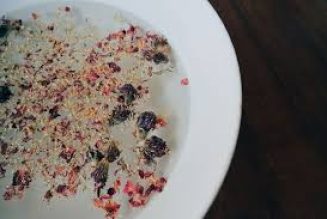
The root is commonly included in fertility charms, blessing sachets, altar offerings, and seasonal rituals celebrating spring or the divine feminine. Some witches place it on their altar as a representation of the life-giving power of nature and the connection between body, spirit, and the changing seasons. Others incorporate it into meditation or intention-setting rituals to strengthen intuition, encourage self-care, or honor goddesses associated with fertility, healing, and motherhood.
False Unicorn Root is also linked with the element of Earth, making it suitable for grounding magic and spells that promote stability, endurance, and healthy beginnings. Its quiet woodland habitat further connects it with the energies of hidden wisdom, gentle perseverance, and the nurturing aspects of the natural world.
Although the plant holds an honored place in magical traditions, it has become uncommon in many areas because of habitat loss and overharvesting for the herbal trade. Ethical practitioners are encouraged to avoid collecting wild specimens and instead obtain sustainably cultivated sources or use symbolic representations in their rituals.
Today, False Unicorn Root remains a meaningful botanical ally in pagan and witchcraft traditions, valued not only for its folklore but also as a reminder to respect nature, honor life’s cycles, and cultivate harmony between the physical and spiritual worlds.