
Plants
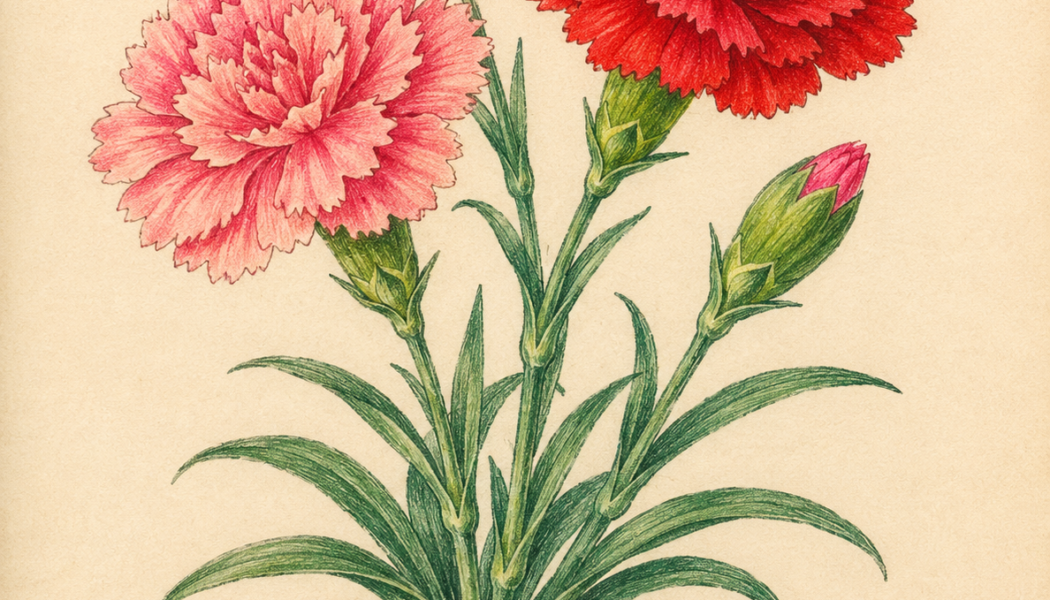

Carnation and Its Place in Witchcraft
The carnation is a beautiful flowering plant known for its ruffled petals, spicy fragrance, and wide range of colors. Scientifically called Dianthus caryophyllus, the carnation has been admired for ce...
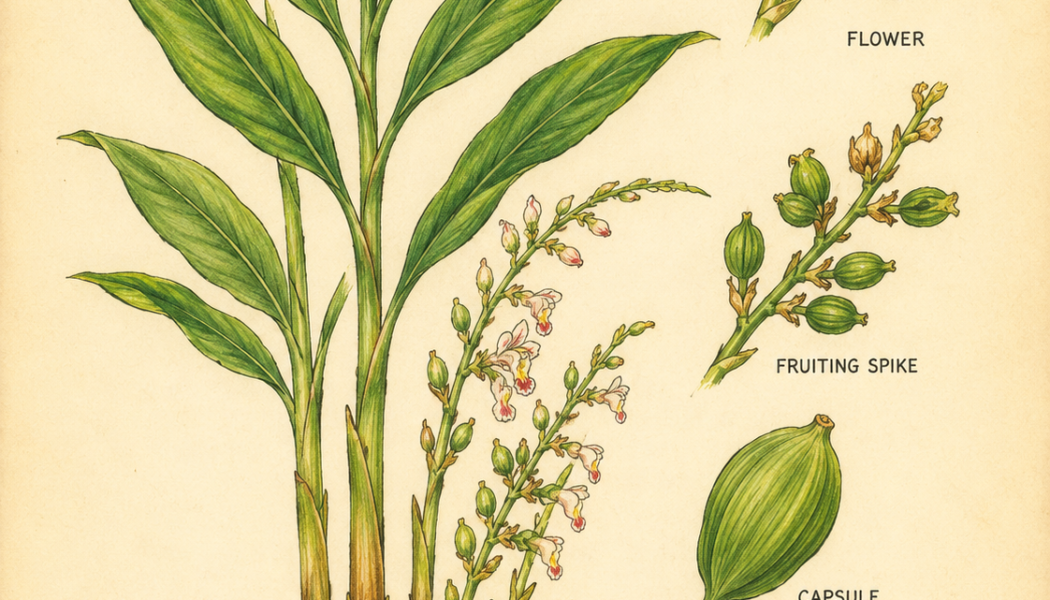

Cardamom and Its Place in Witchcraft
Cardamom is a fragrant spice derived from the seeds of plants in the ginger family, primarily native to India and parts of Southeast Asia. Known for its sweet, spicy aroma and warm flavor, cardamom ha...
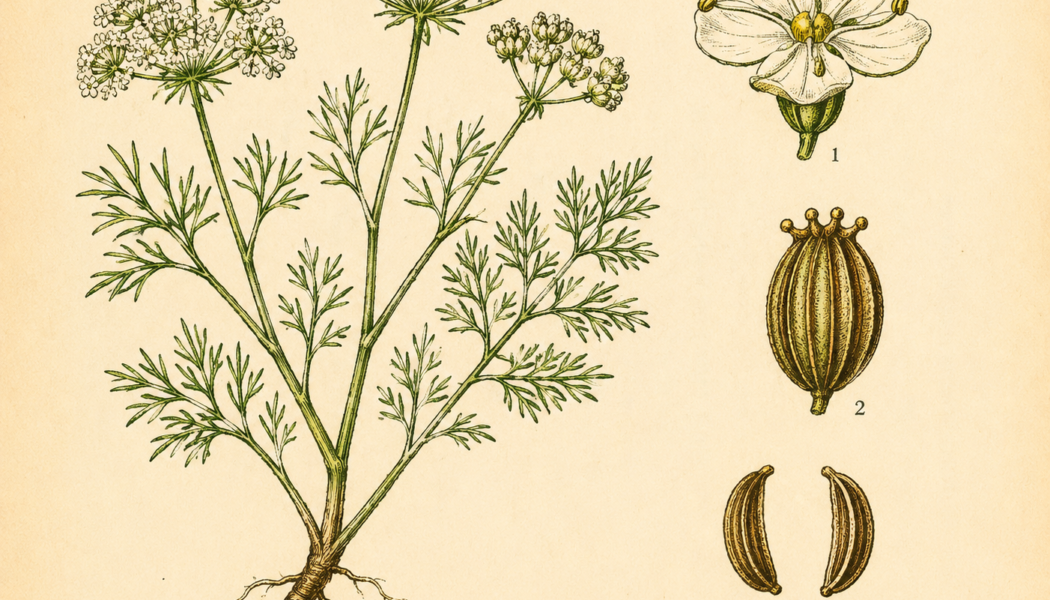

Caraway and Its Place in Witchcraft
Caraway is a fragrant herb that has long held a place in folklore, healing traditions, and witchcraft. Known scientifically as Carum carvi, the plant produces crescent-shaped seeds with a warm, slight...
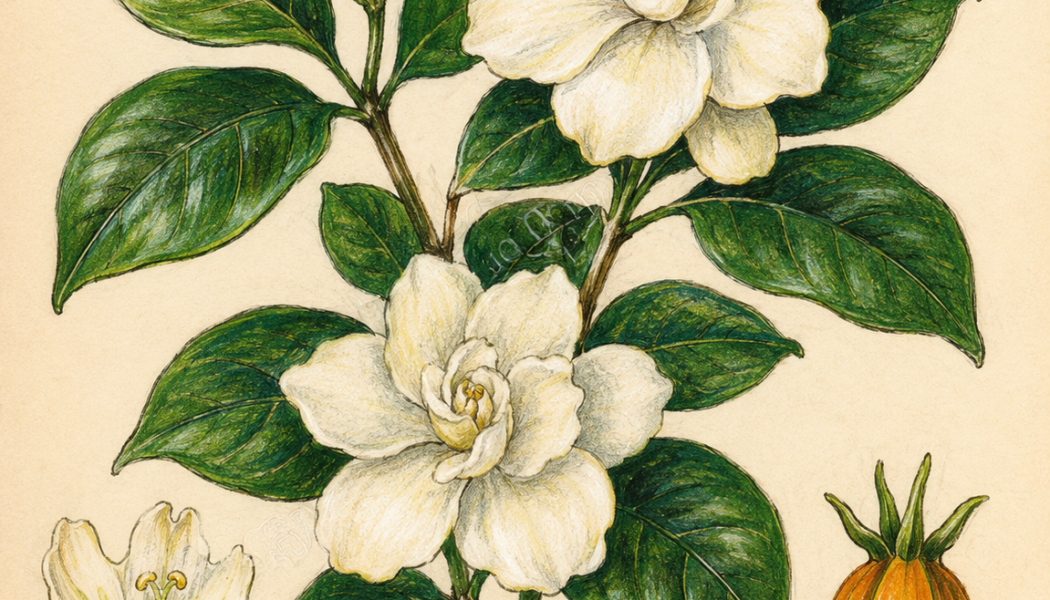

Cape Jasmine and Its Place in Witchcraft
Cape Jasmine, more commonly known as gardenia, is a fragrant flowering plant admired for its creamy white blossoms and glossy evergreen leaves. Native to parts of Asia, especially China and Japan, Cap...
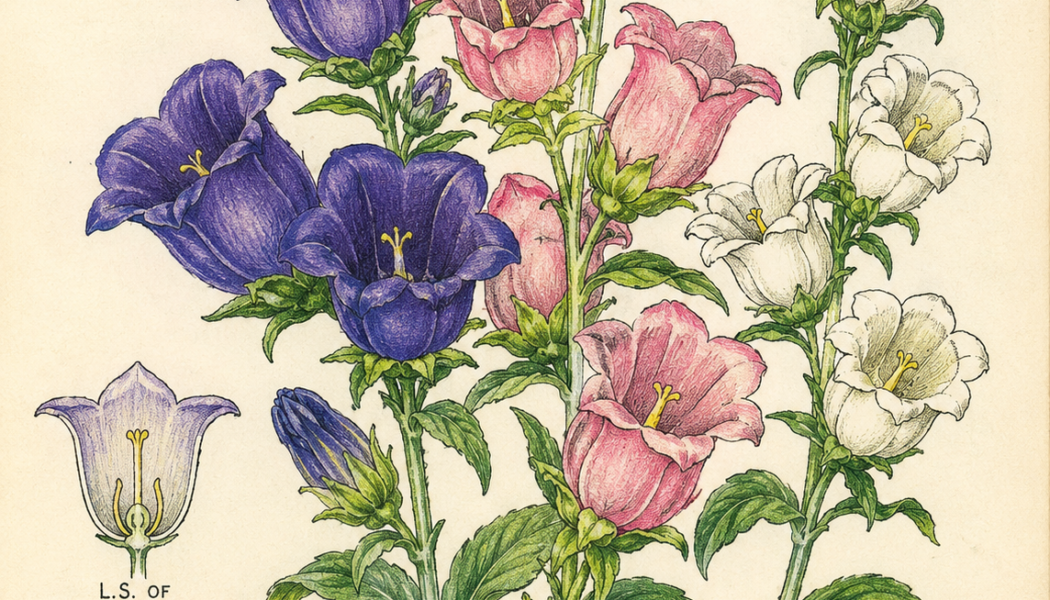

Canterbury Bells and Its Place in Witchcraft
Canterbury Bells, known scientifically as Campanula medium, are charming biennial flowers admired for their bell-shaped blooms in shades of purple, pink, blue, and white. Native to southern Europe, th...
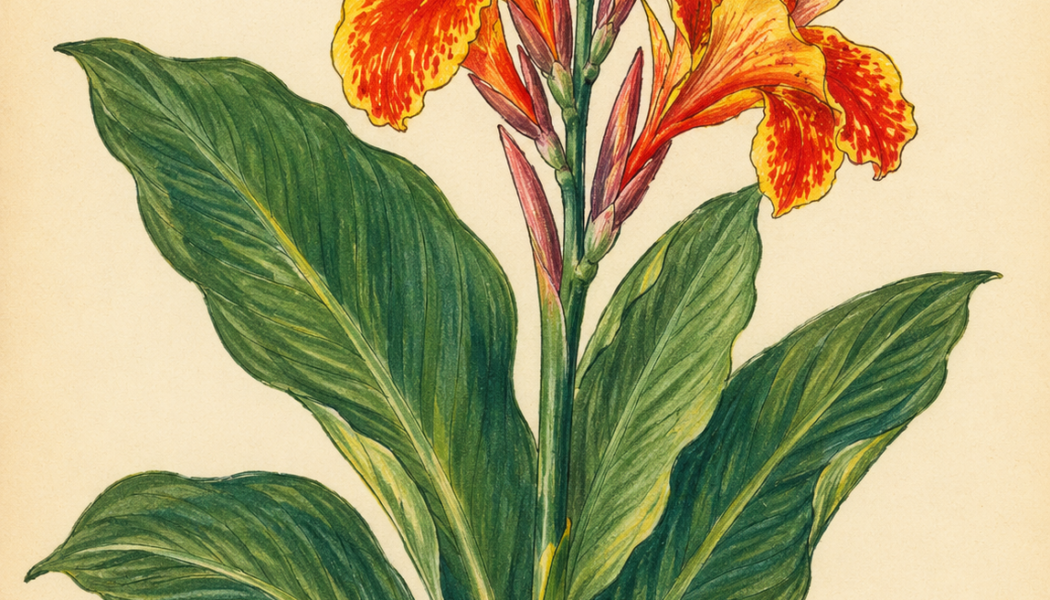

Canna Lily and Its Place in Witchcraft
The Canna Lily is a striking tropical plant known for its broad green leaves and brilliant flowers in shades of red, orange, yellow, and pink. Though often grown for ornamental beauty, the plant has a...
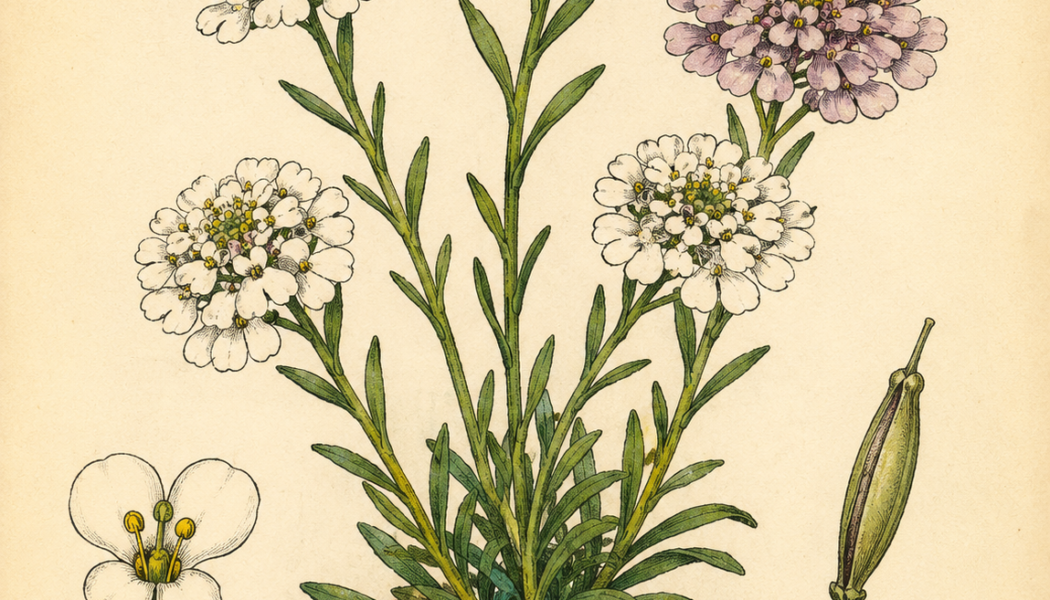

Candytuft and Its Place in Witchcraft
Candytuft is a delicate flowering plant known for its clusters of white, pink, or lavender blossoms that spread like a soft carpet across gardens and rocky hillsides. Belonging to the genus Iberis, ca...
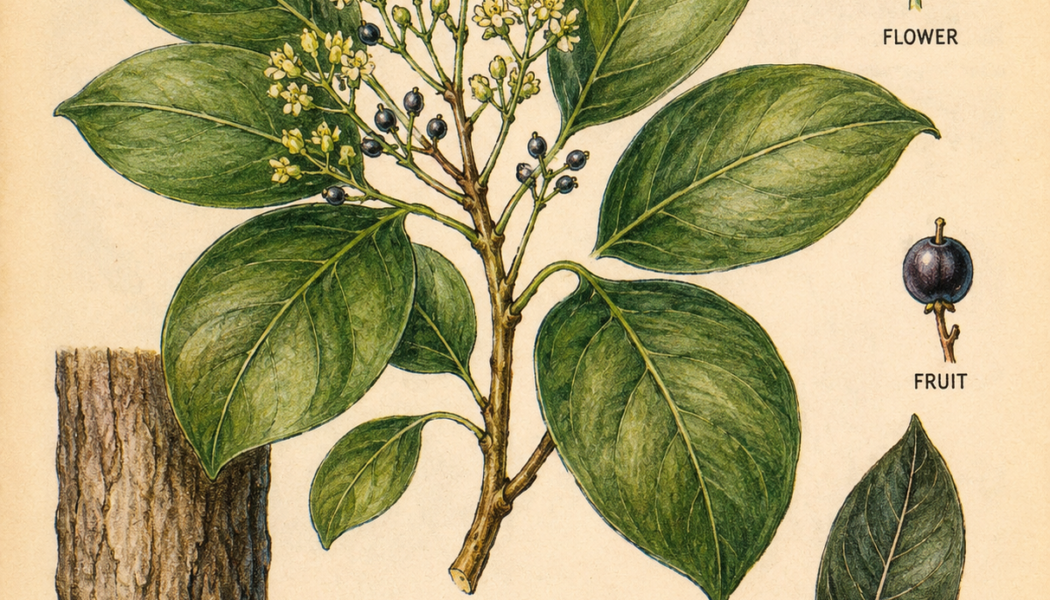

Camphor and Its Place in Witchcraft
Camphor is a strong-smelling white substance taken from the wood of the camphor tree, most commonly the species Cinnamomum camphora. For centuries, it has been valued in medicine, religion, and spirit...
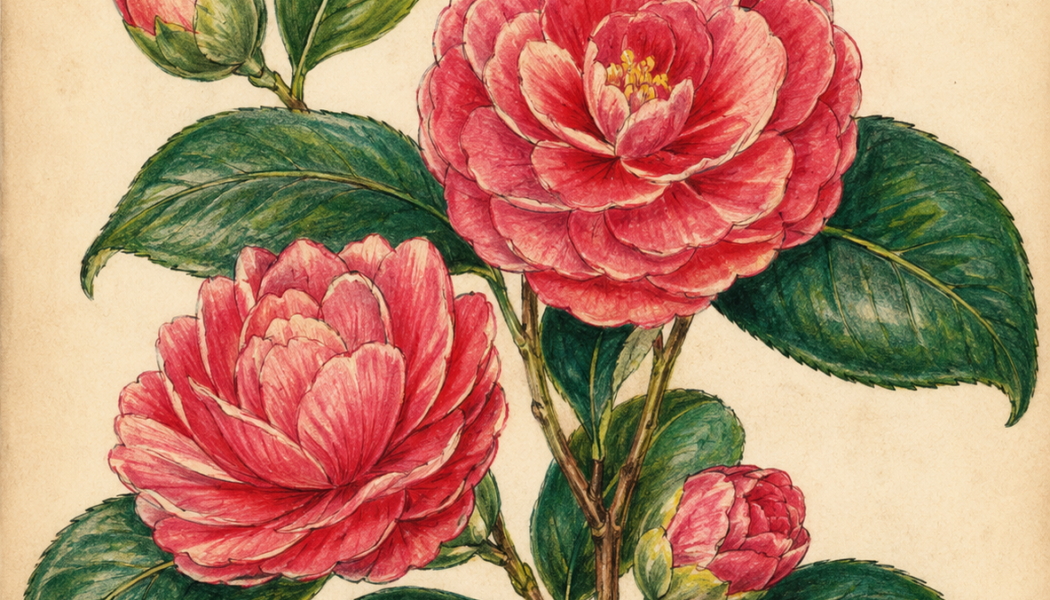

Camellia and Its Place in Witchcraft
The camellia is a beautiful flowering plant admired for its glossy green leaves and elegant blossoms that bloom in shades of white, pink, and red. Native to eastern and southern Asia, especially China...
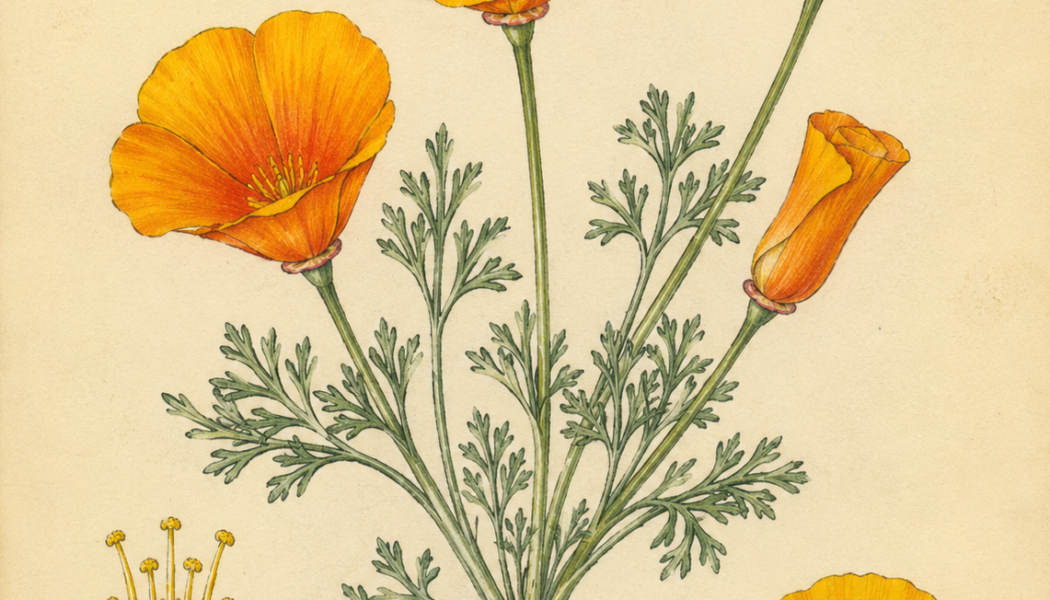

California Poppy and Its Place in Witchcraft
The California poppy, scientifically known as Eschscholzia californica, is a vibrant orange wildflower native to the western United States. Recognized as the state flower of California, it is admired ...
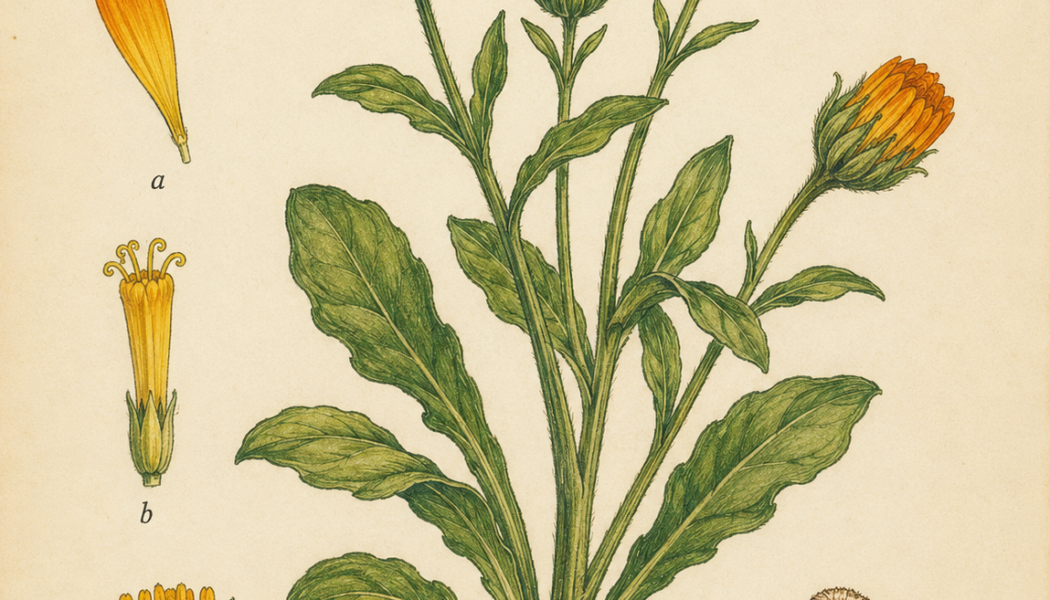

Calendula and Its Place in Witchcraft
Calendula, often called “pot marigold,” is a vibrant golden-orange flower long associated with healing, protection, and spiritual power. Native to the Mediterranean region, this cheerful plant has bee...
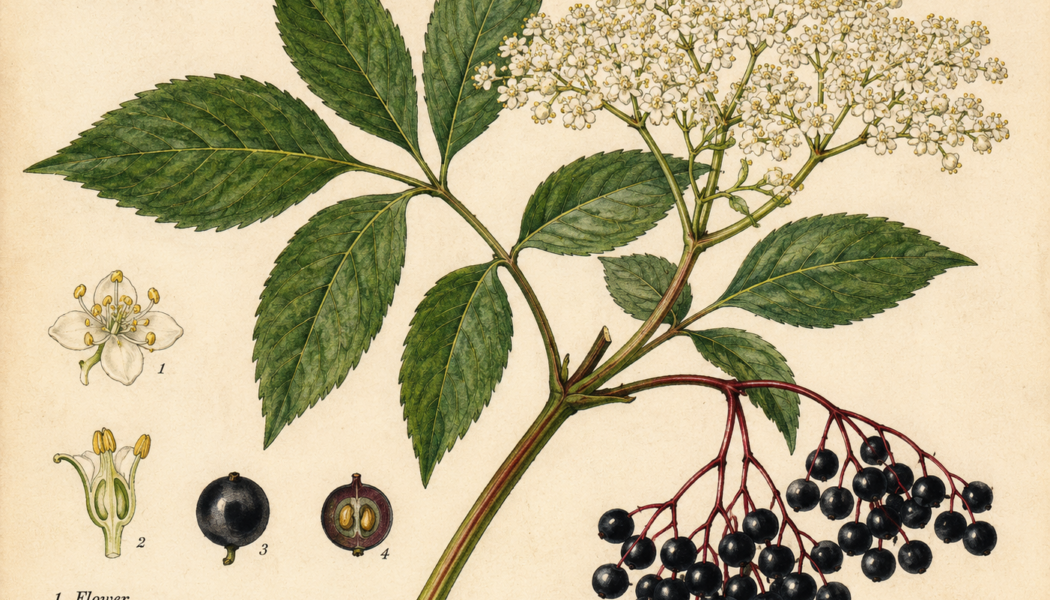

Black Elder and Its Place in Witchcraft
Black Elder, scientifically known as Sambucus nigra, has long occupied a mysterious and respected place in folklore, herbalism, and witchcraft traditions across Europe. This ancient tree, often recogn...
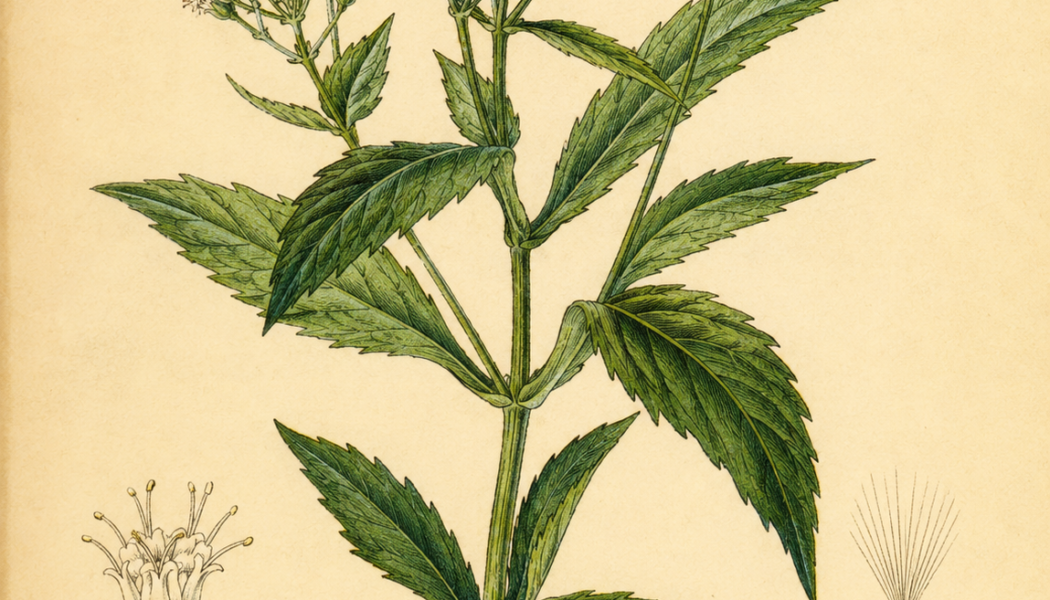

Boneset and Its Place in Witchcraft
Boneset (Eupatorium perfoliatum) is a perennial herb native to North America that has long occupied a place in both folk medicine and magical practice. Recognizable by its clusters of small white flow...
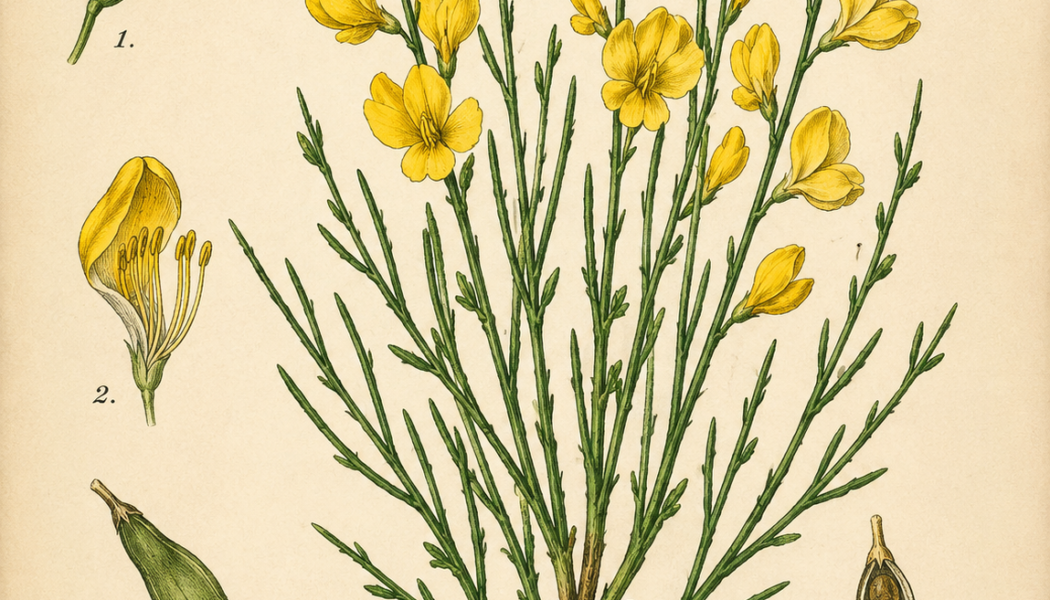

Broom (Scotch Broom) and Its Place in Witchcraft
Broom, commonly known as Scotch Broom, is a flowering shrub recognized by its bright yellow blossoms and hardy nature. Native to parts of Europe, the plant has spread widely across the world and has l...
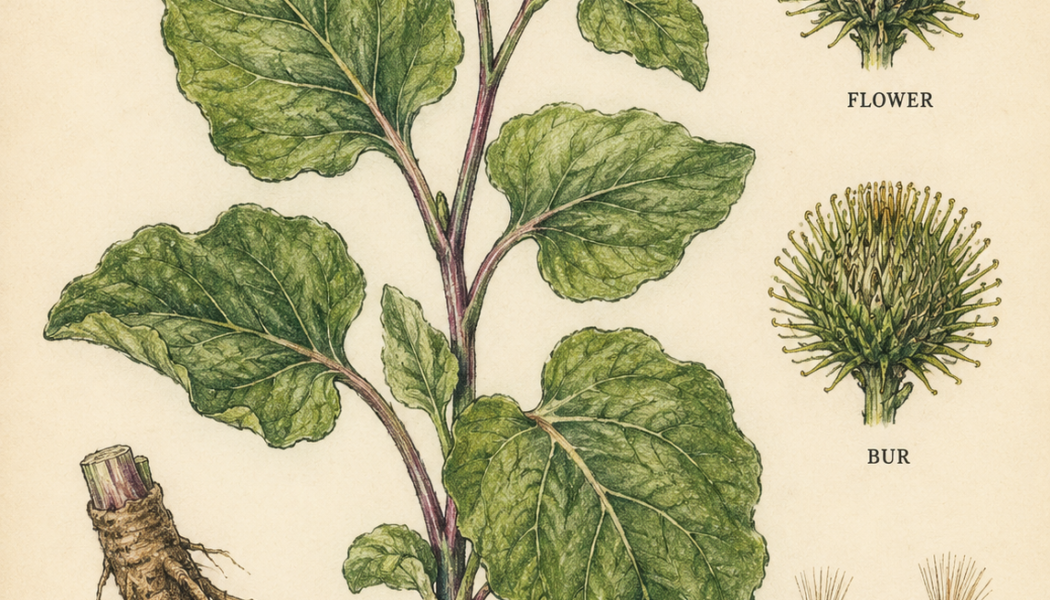

Burdock and Its Place in Witchcraft
Burdock is a hardy plant recognized by its broad leaves and prickly burrs that cling stubbornly to clothing and animal fur. Found growing wild across Europe, Asia, and North America, burdock has long ...
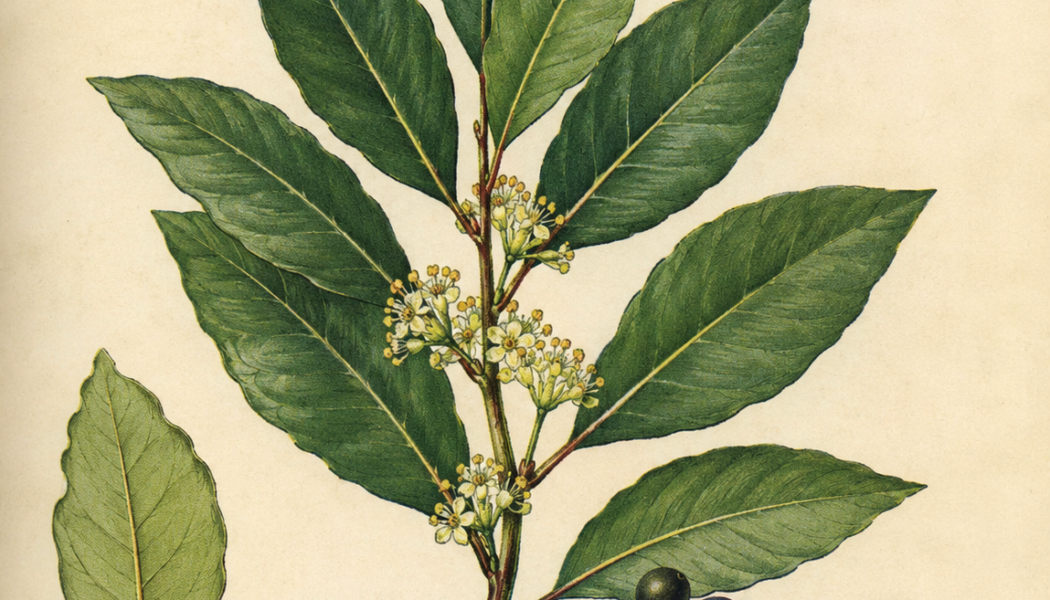

Bay Laurel and Its Place in Witchcraft
Bay Laurel, known scientifically as Laurus nobilis, is an evergreen tree native to the Mediterranean region. Famous for its aromatic leaves used in cooking, Bay Laurel has also carried deep spiritual ...
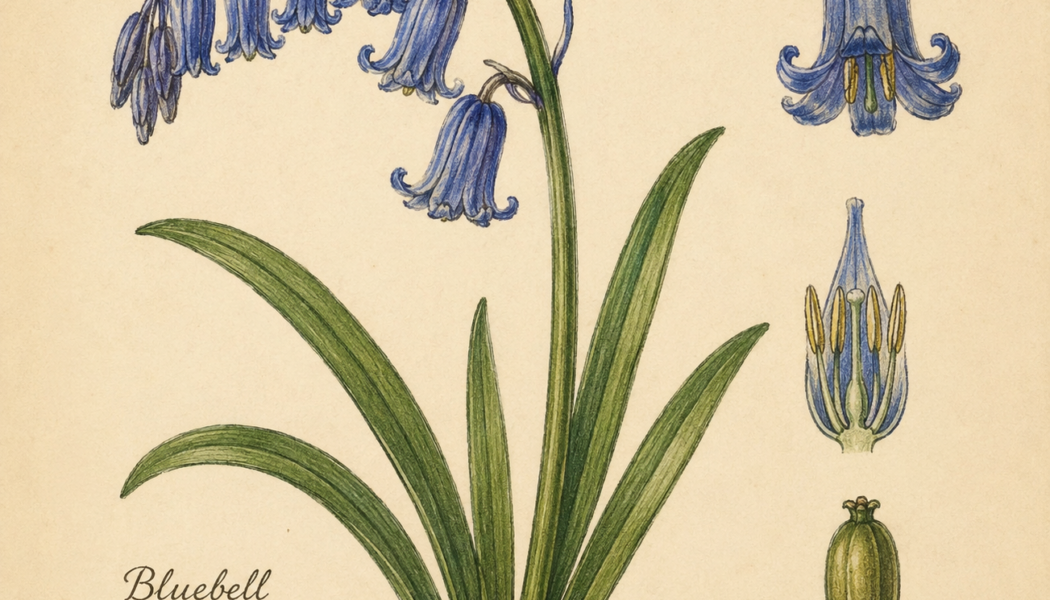

Bluebell and Its Place in Witchcraft
The bluebell is one of the most enchanting wildflowers found in the woodlands of Europe, especially in Britain. Known for its delicate bell-shaped blossoms and sweet fragrance, the bluebell has long b...
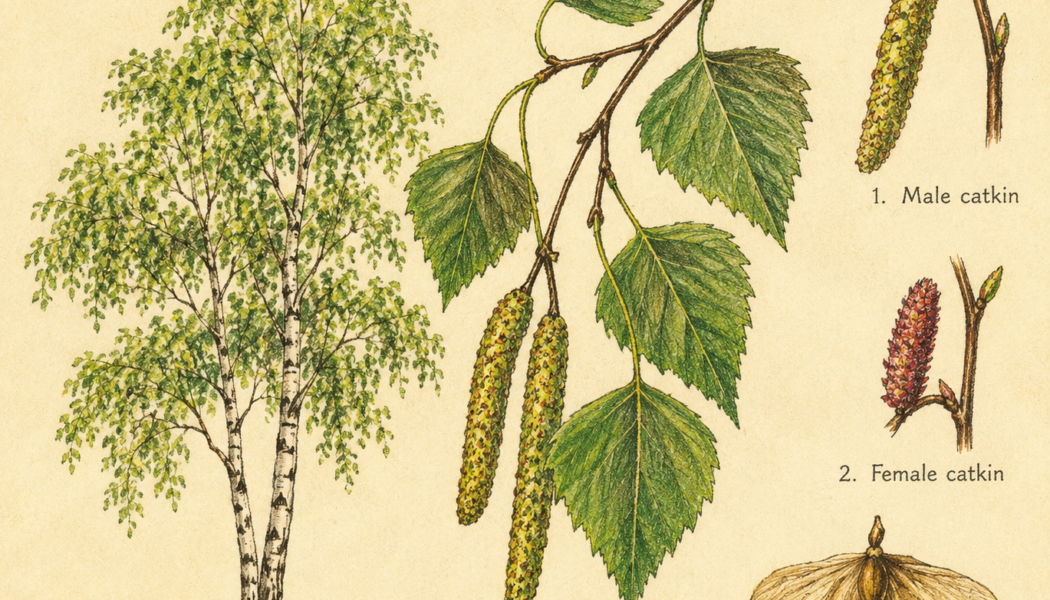

Birch and Its Place in Witchcraft
The birch tree has long held a sacred and mystical place in folklore, spirituality, and witchcraft traditions across Europe and parts of Asia. Recognized for its white bark and graceful appearance, bi...
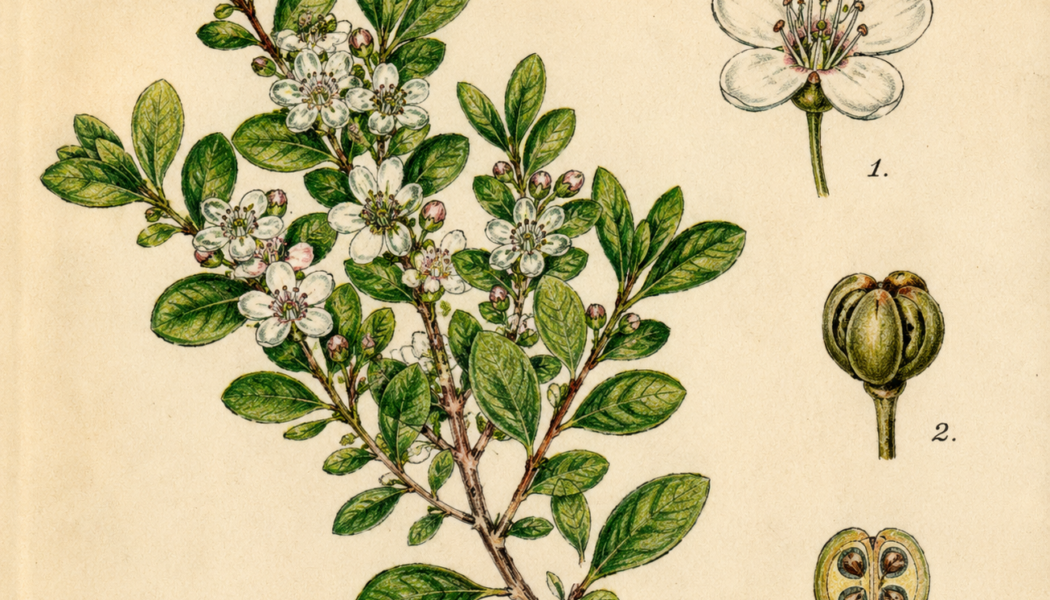

Buchu and Its Place in Witchcraft
Buchu is a fragrant shrub native to the mountainous regions of South Africa, particularly the Western Cape. Belonging to the Rutaceae family, the plant has long been valued for both medicinal and spir...
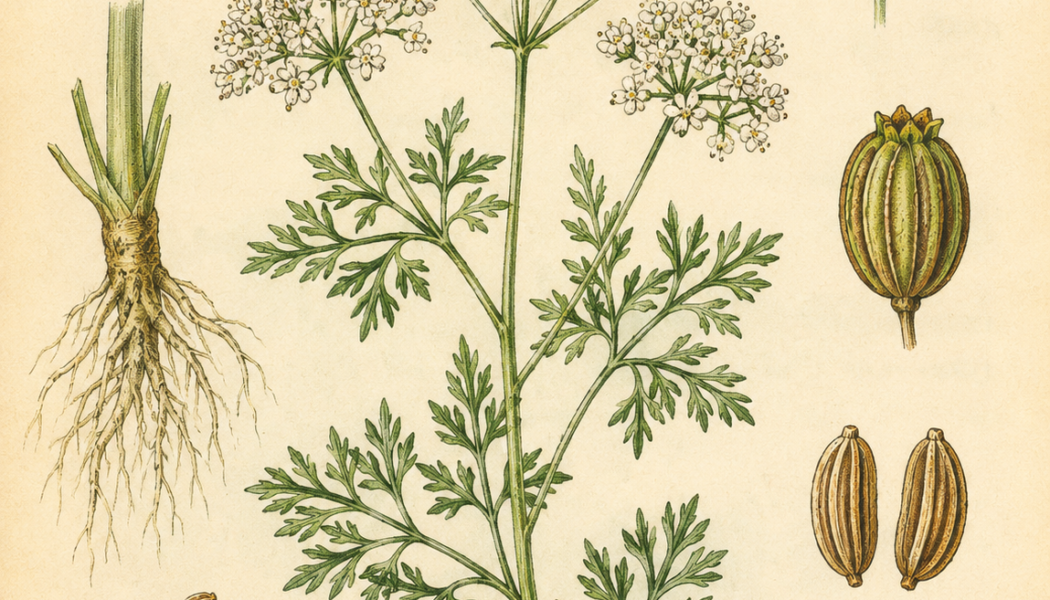

Anise and Its Place in Witchcraft
Anise, a fragrant herb known for its sweet licorice-like aroma, has long held a respected place in folklore, herbal medicine, and magical traditions. Derived from the plant Pimpinella anisum, anise se...
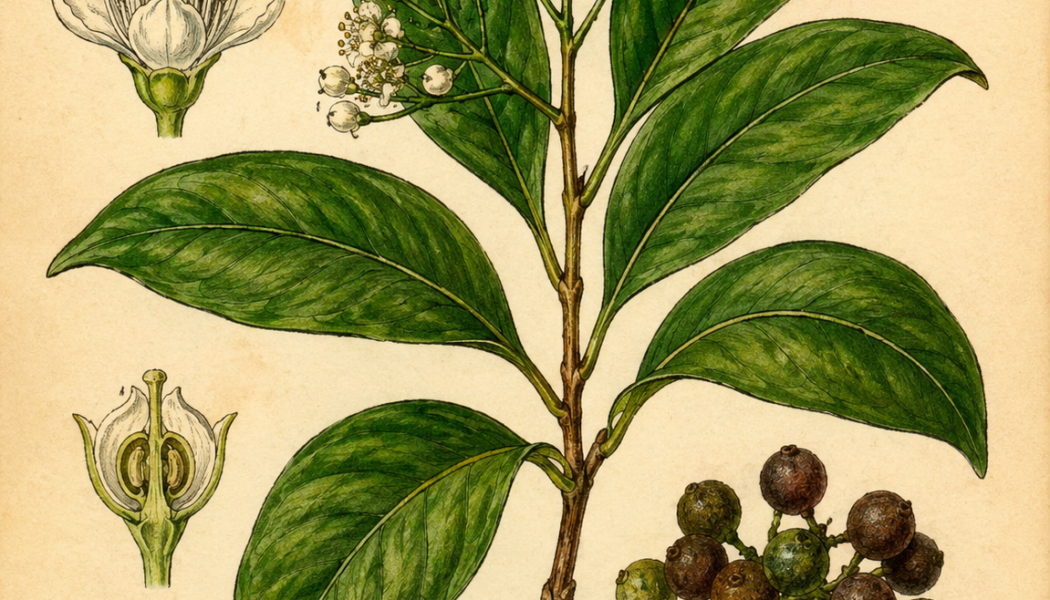

Allspice and Its Place in Witchcraft
The allspice plant, known scientifically as Pimenta dioica, is an evergreen tree native to the Caribbean, Central America, and parts of Mexico. Its berries, harvested before ripening and dried in the ...
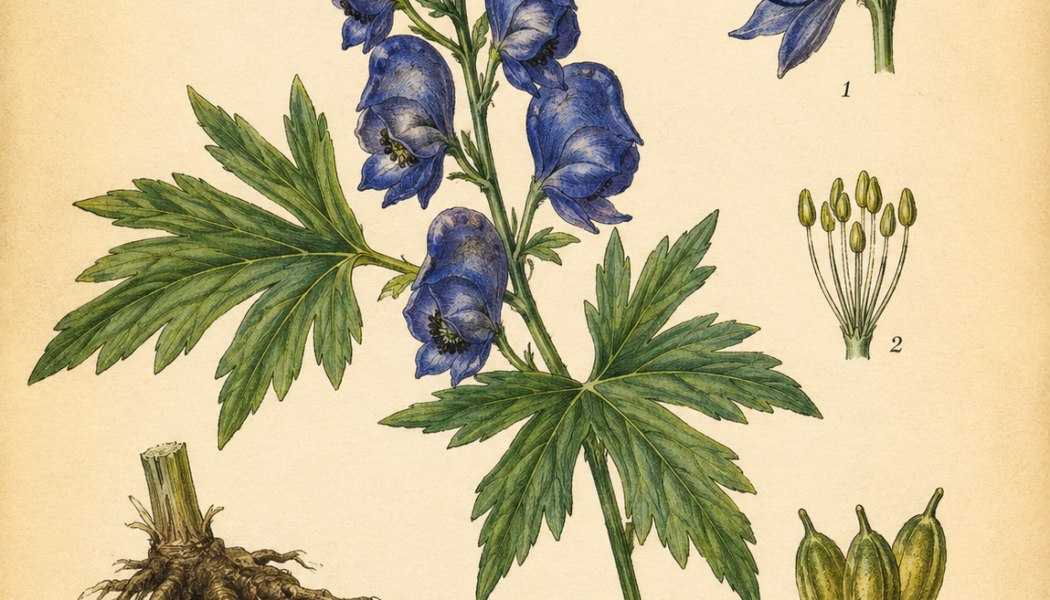

Aconite and Its Place in Witchcraft
Aconite, also known as wolfsbane or monkshood, is one of the most mysterious and feared plants in history. Recognized by its deep purple-blue flowers and hood-shaped petals, aconite has long been asso...
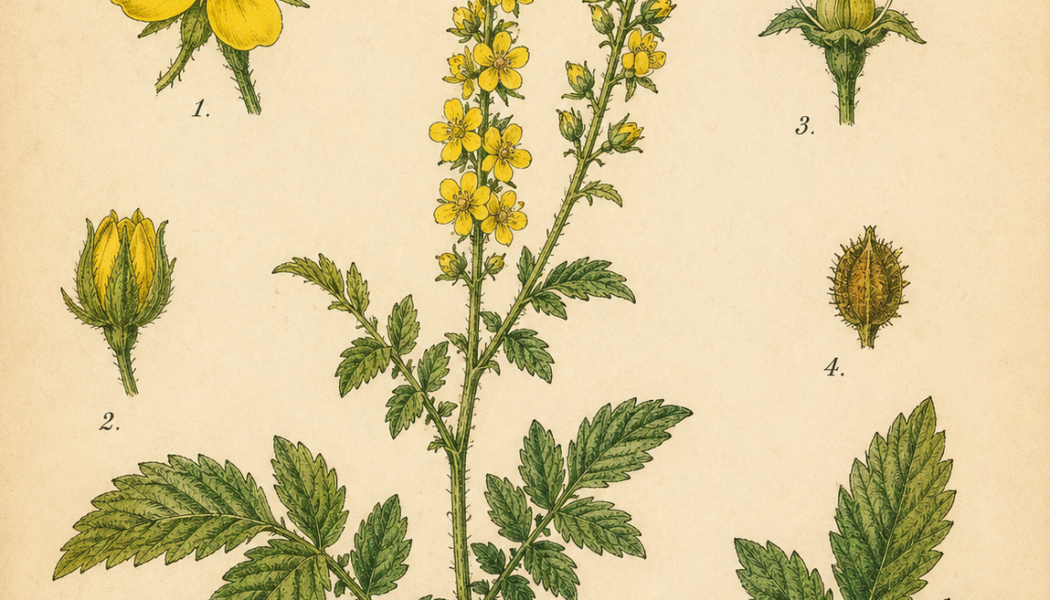

Agrimony and Its Place in Witchcraft
Agrimony is a perennial herb known for its bright yellow flowers, pleasant scent, and long history in herbal medicine and magical traditions. Belonging to the rose family, agrimony grows widely across...
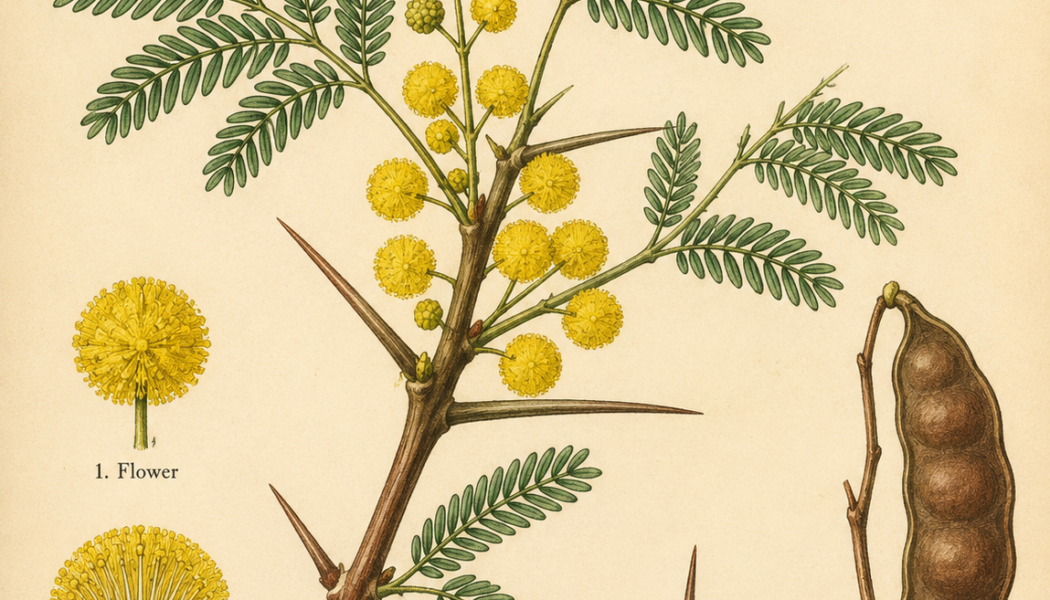

Acacia and Its Place in Witchcraft
The Acacia plant has long held a sacred and mystical reputation in many cultures around the world. Known for its hardy nature, fragrant blossoms, and protective thorns, Acacia is more than just a dese...
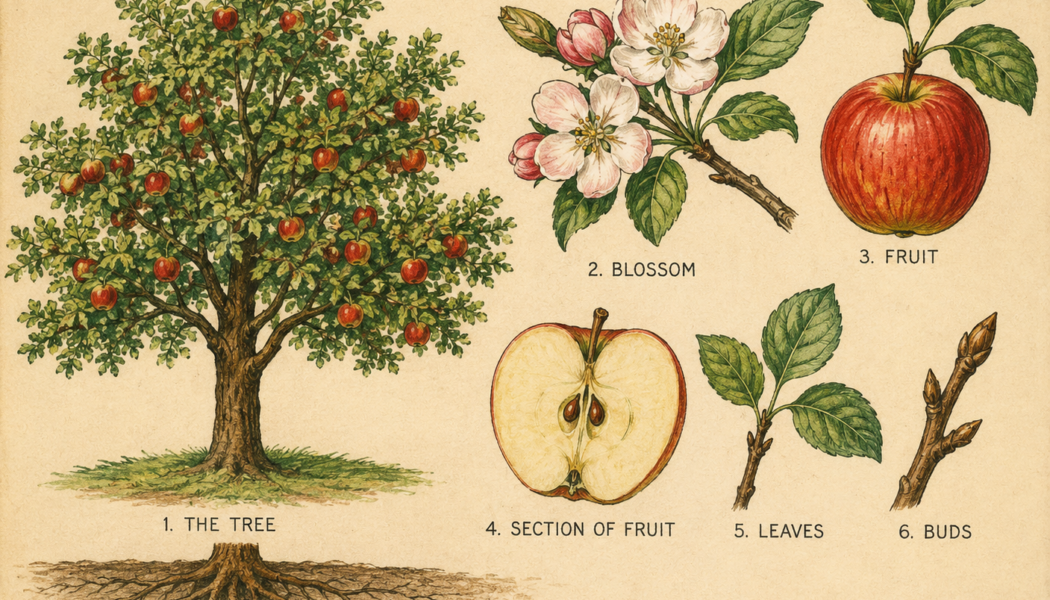

Apple Tree and Its Place in Witchcraft
The Acacia plant has long held a sacred and mystical reputation in many cultures around the world. Known for its hardy nature, fragrant blossoms, and protective thorns, Acacia is more than just a dese...
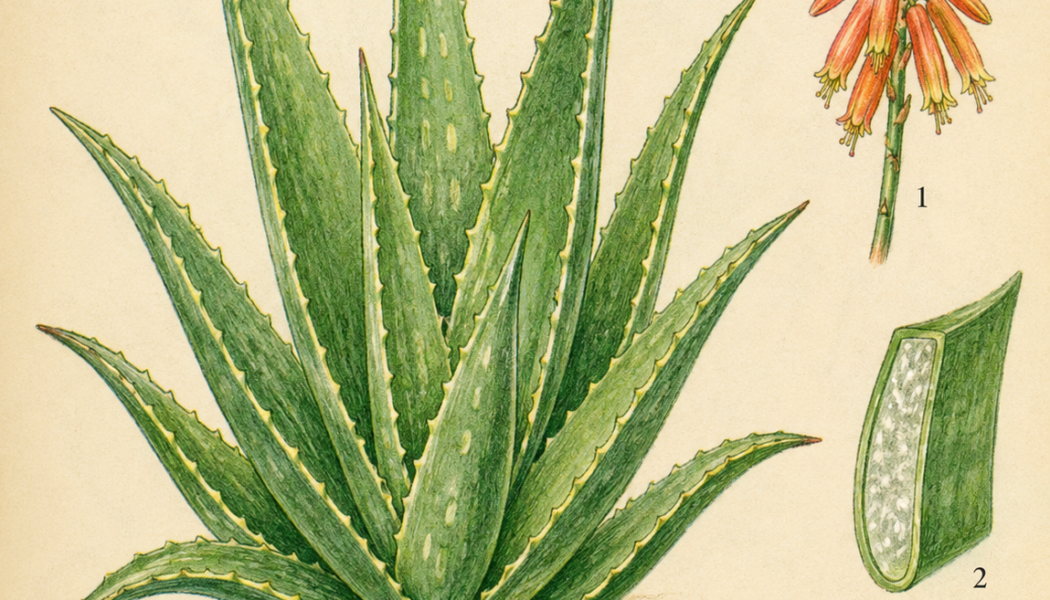

Aloe Vera and Its Place in Witchcraft
Aloe Vera is a well-known succulent plant valued for its healing, protective, and spiritual qualities. Recognized by its thick green leaves filled with soothing gel, the plant has been used for thousa...
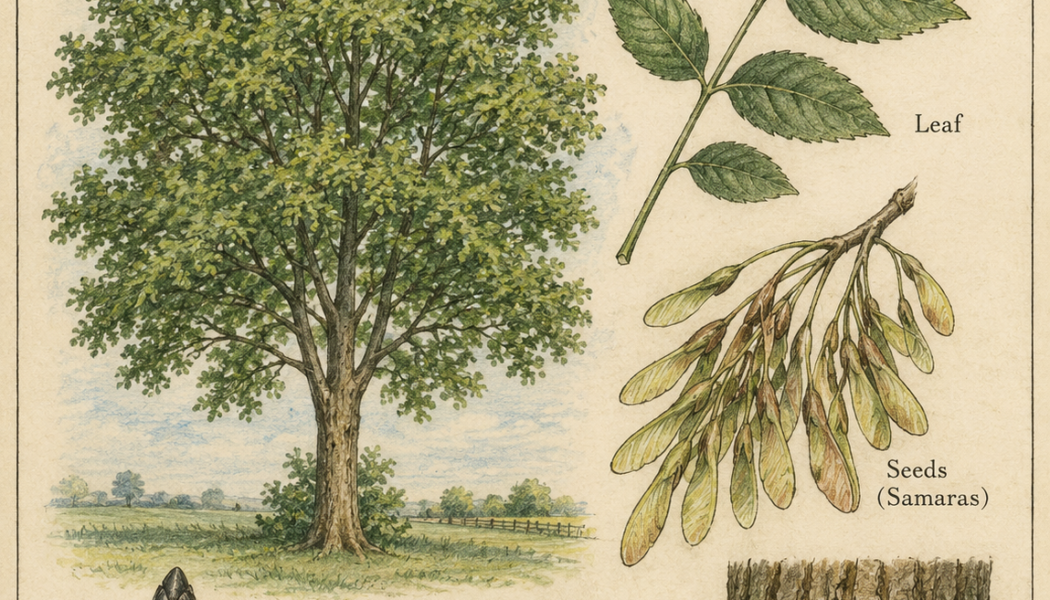

Ash Tree and Its Place in Witchcraft
The ash tree has long held a sacred and mysterious place in folklore, mythology, and witchcraft traditions across Europe. Known for its strength, flexibility, and towering presence, the ash was often ...
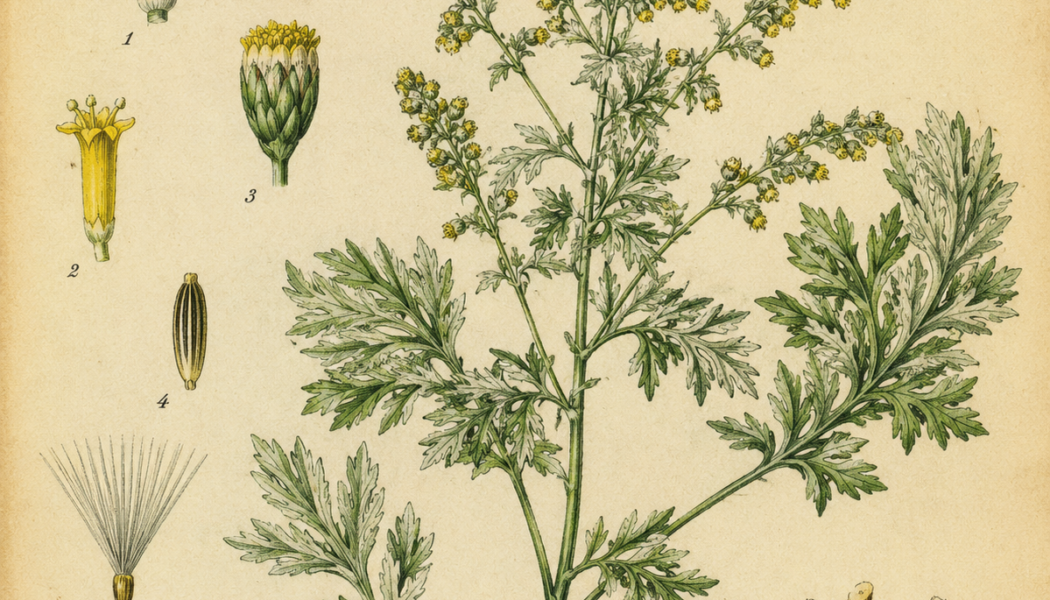

Artemisia and Its Place in Witchcraft
Artemisia is a genus of plants known for its powerful scent, medicinal qualities, and deep connection to folklore and magical traditions. Named after the Greek goddess Artemis, protector of women and ...
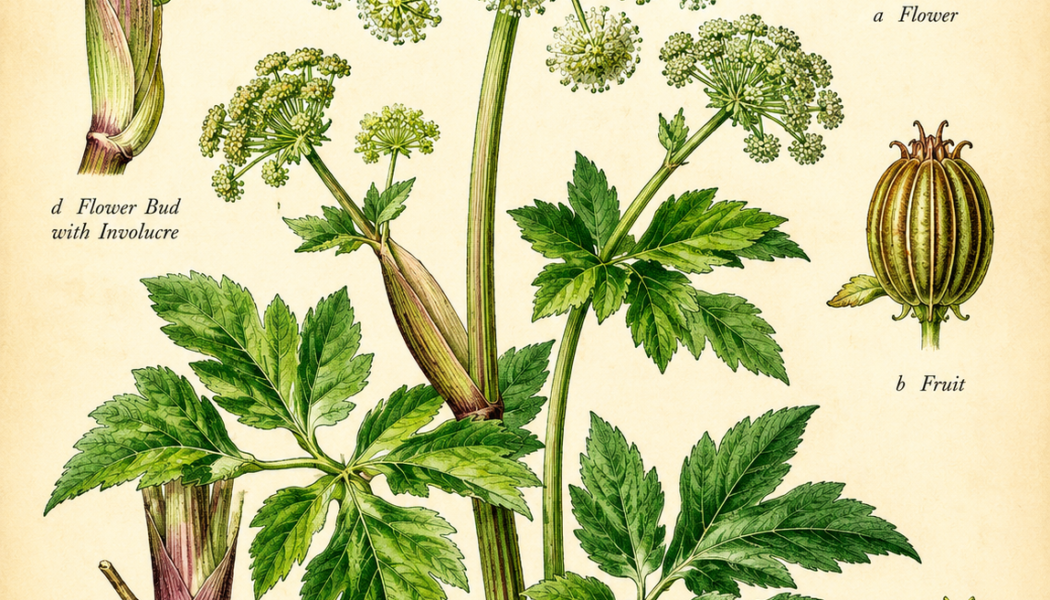

Angelica and Its Place in Witchcraft
Angelica is a tall, aromatic herb that has long held an important place in folklore, herbal medicine, and witchcraft traditions. Known scientifically as Angelica archangelica, the plant grows in cool ...
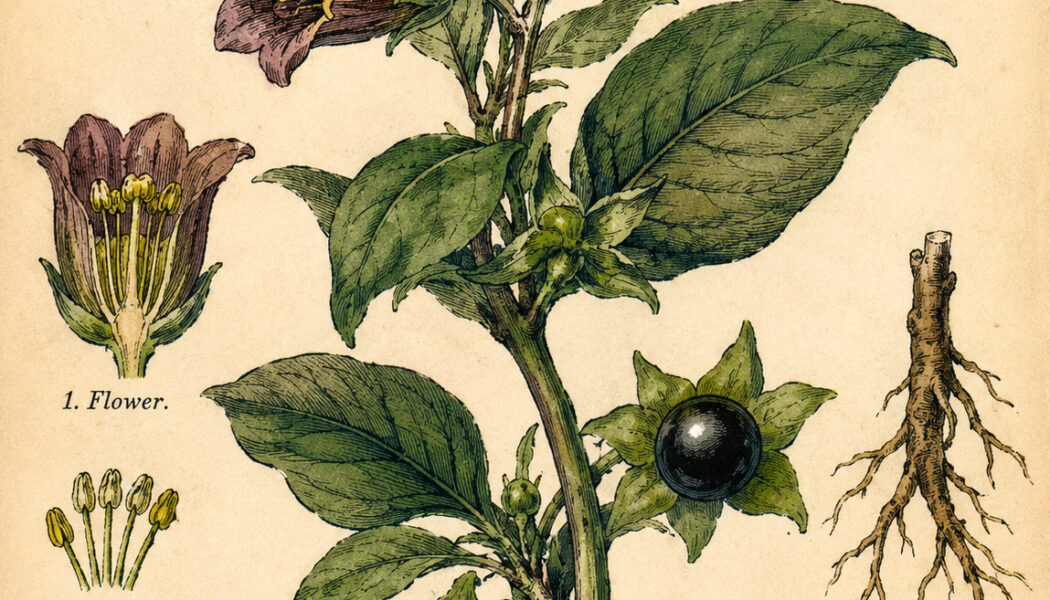

Belladonna and Its Place in Witchcraft
Belladonna, also known as deadly nightshade, is one of the most infamous plants in the history of witchcraft and herbal lore. Native to Europe, North Africa, and parts of Western Asia, the plant is re...
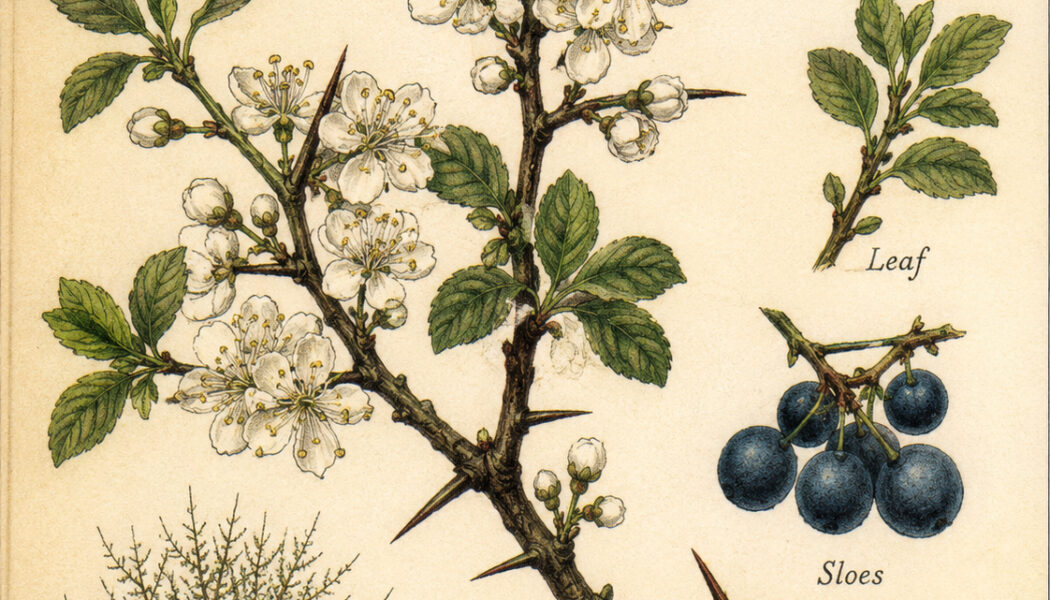

Blackthorn and its place in Witchcraft
Blackthorn (Prunus spinosa) is a hardy, thorn-covered shrub native to Europe and parts of western Asia. Known for its dark bark, white spring blossoms, and deep purple sloes, the plant has long carrie...
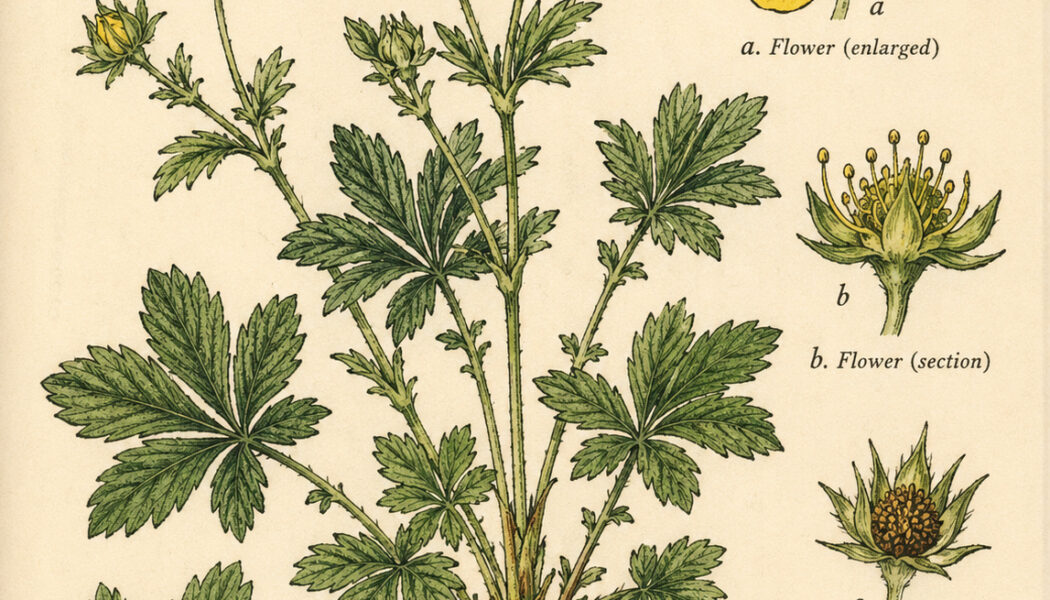

Cinquefoil and its place in Witchcraft
Cinquefoil, a small flowering plant belonging to the genus Potentilla, has long held a place in folklore, herbalism, and magical traditions. Known for its five-petaled flowers and five-lobed leaves, t...
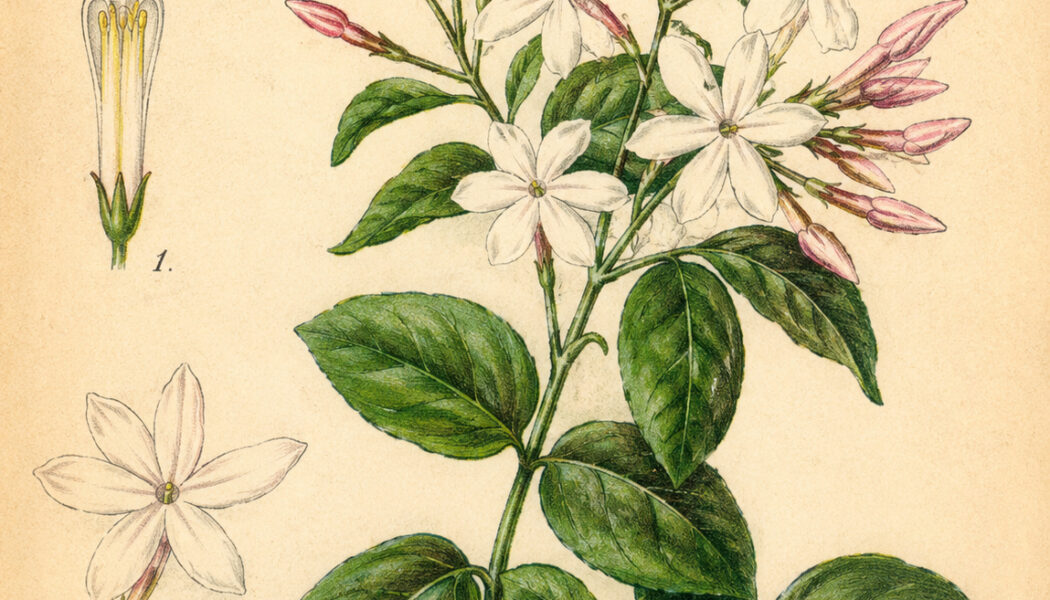

Jasmine and Its Place in Witchcraft
Jasmine is one of the most beloved flowering plants in the world, admired for its delicate white blossoms and rich, sweet fragrance. Native to tropical and subtropical regions of Asia, Africa, and Eur...
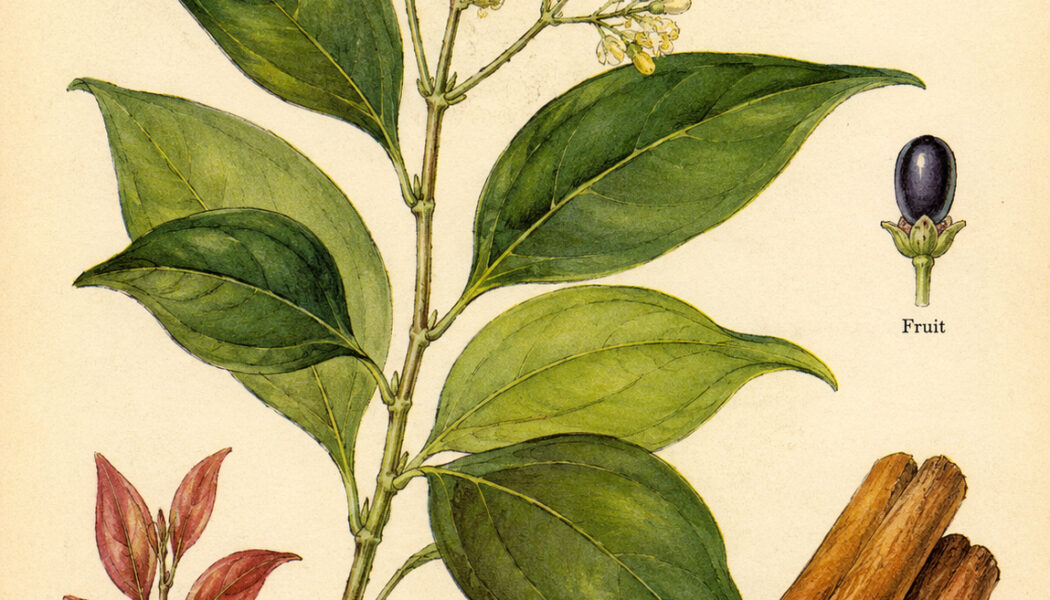

Cinnamon and Its Place in Witchcraft
Cinnamon is a fragrant spice made from the inner bark of trees belonging to the Cinnamomum family. Known for its warm scent and sweet taste, cinnamon has been valued for thousands of years in cooking,...
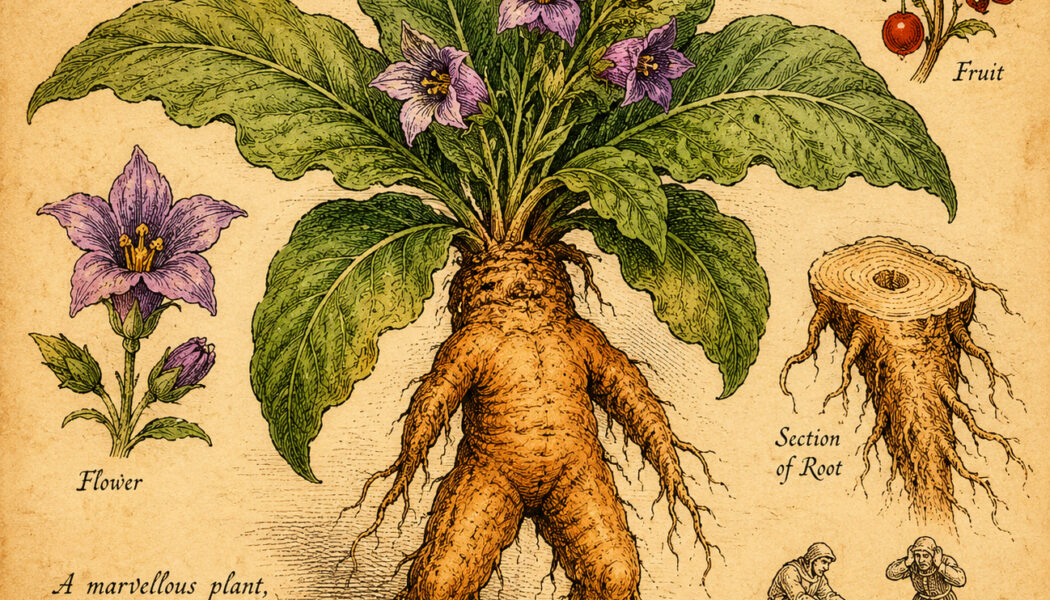

Mandrake and its place in Witchcraft
The mandrake is one of the most mysterious and legendary plants in the history of folklore and witchcraft. Known scientifically as Mandragora officinarum, the plant grows in the Mediterranean region a...
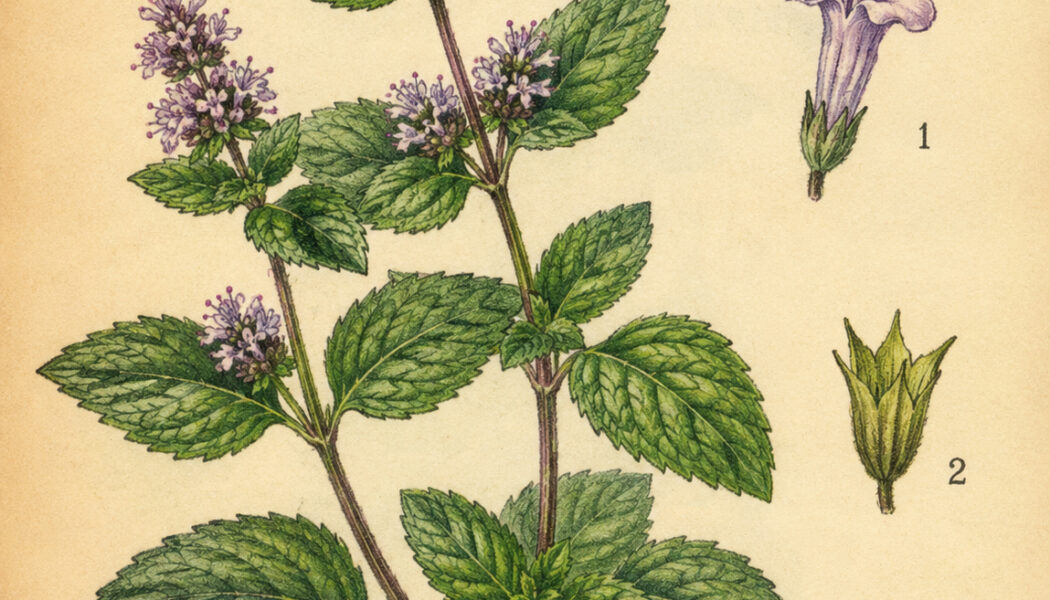

Mint and Its Place in Witchcraft
Mint is one of the most well-known and widely used herbs in the world. With its refreshing scent and bright green leaves, it has long been valued for both practical and spiritual purposes. Across many...
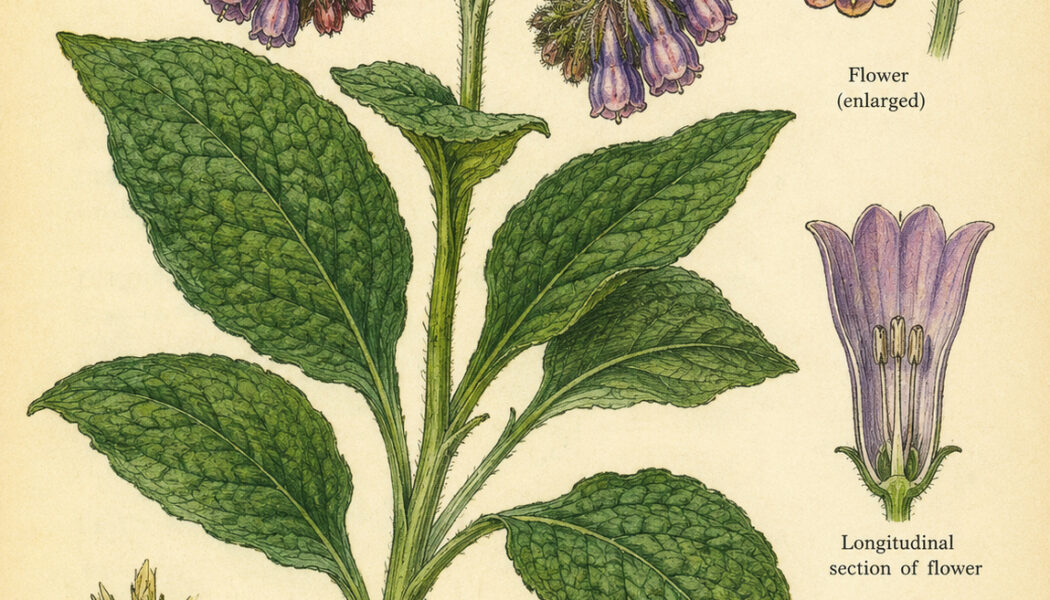

Comfrey and Its Place in Witchcraft
Comfrey is a hardy perennial herb known for its broad leaves, bell-shaped flowers, and deep roots. Scientifically called Symphytum officinale, the plant has long been valued in herbal medicine for its...
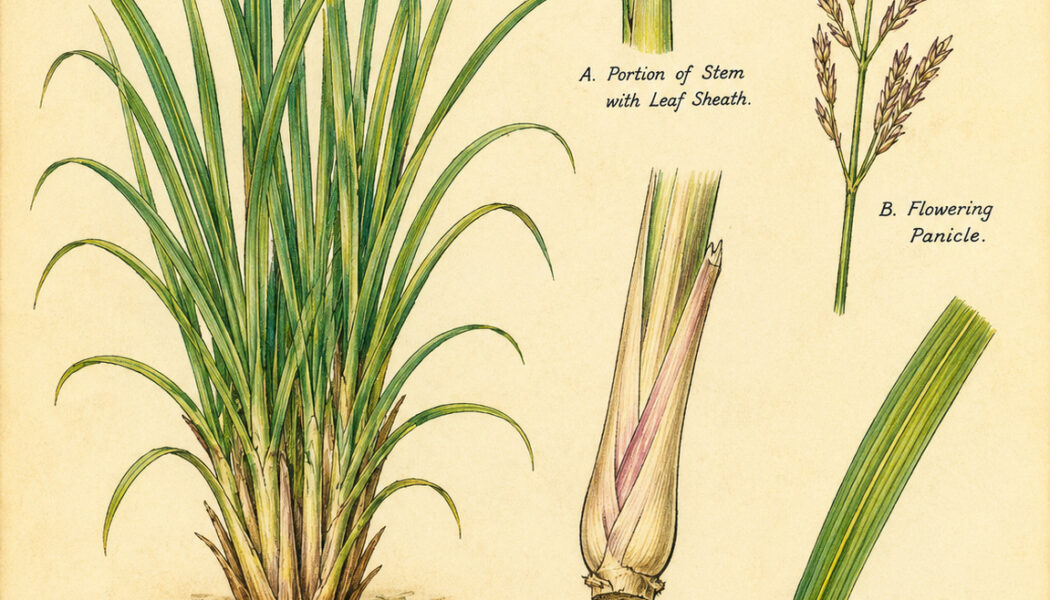

Lemon Grass and Its Place in Witchcraft
Lemon grass is a tall, fragrant plant known for its fresh citrus scent and many practical uses in cooking, medicine, and spiritual traditions. Native to tropical regions of Asia, particularly India an...
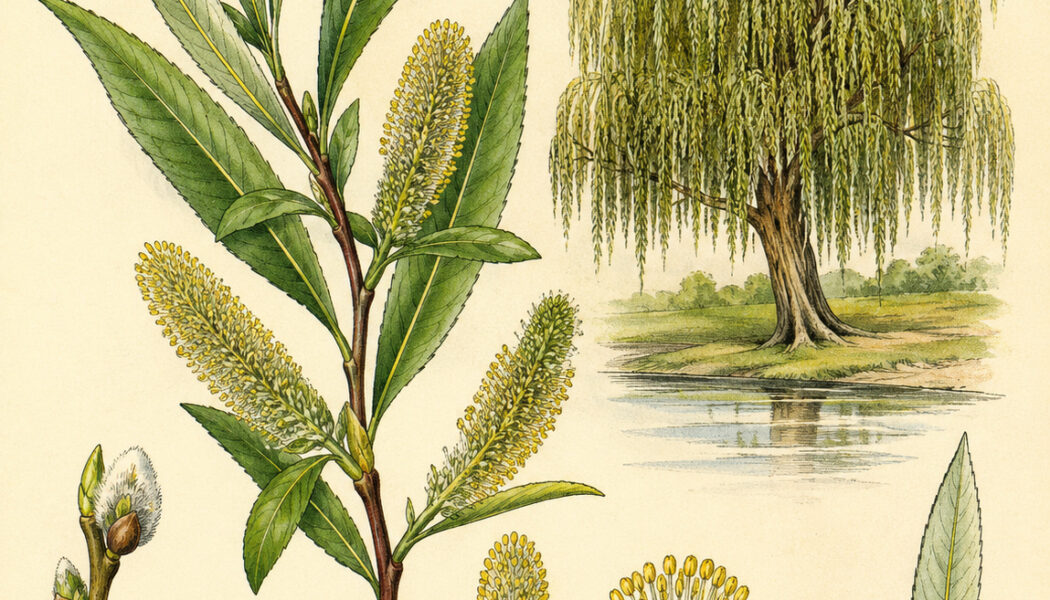

The Willow Plant and Its Place in Witchcraft
The willow tree has long held a sacred and mysterious place in folklore, magic, and witchcraft traditions across many cultures. Known for its graceful, drooping branches and its tendency to grow near ...
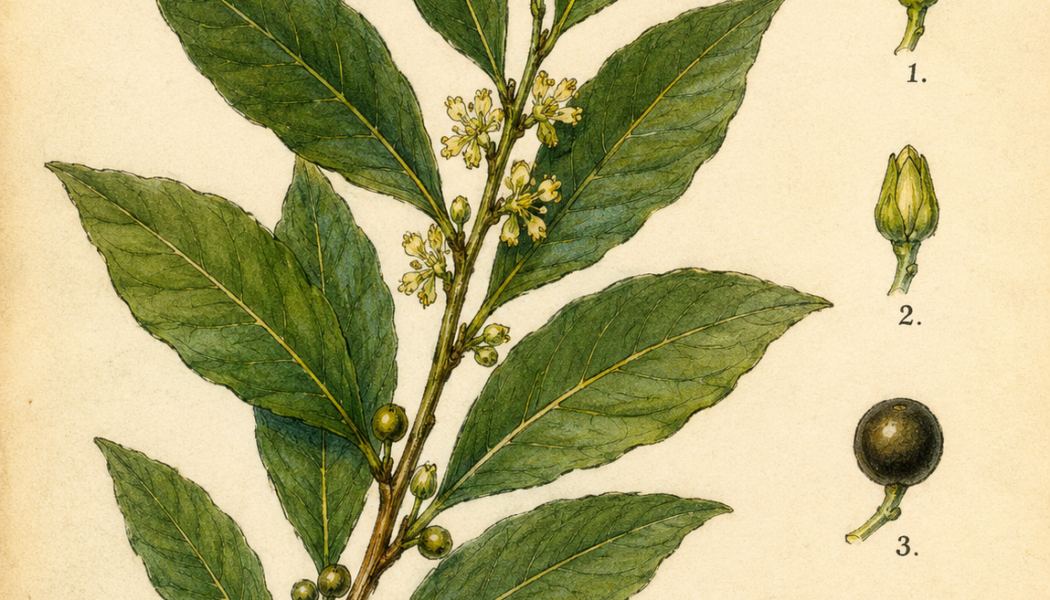

Bay Leaf and Its Place in Witchcraft
The bay leaf, taken from the bay laurel tree (Laurus nobilis), has long held a respected place in folklore, herbal traditions, and magical practices. Native to the Mediterranean region, the bay laurel...
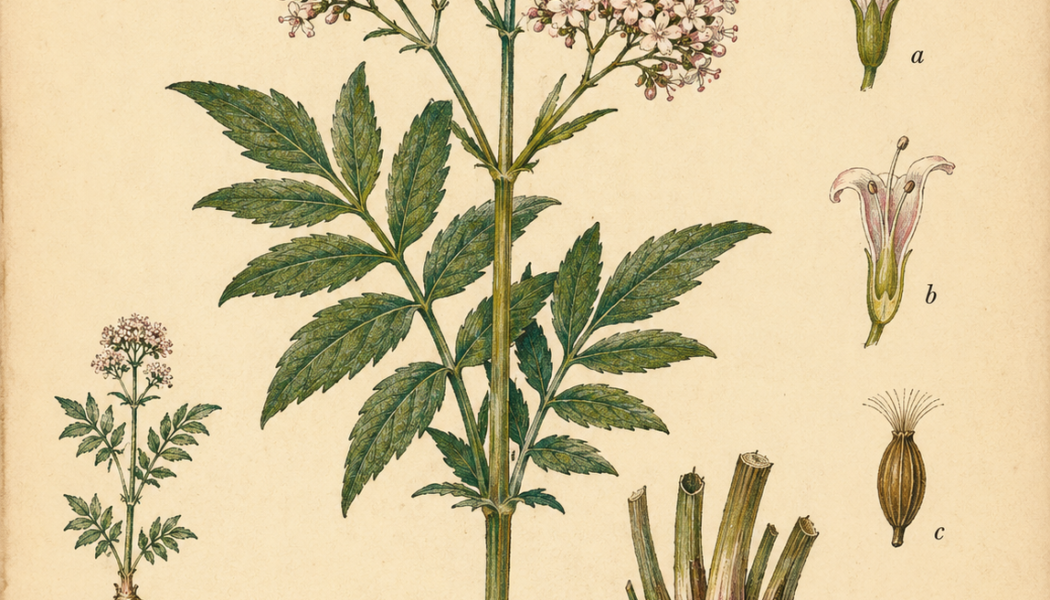

Valerian and Its Place in Witchcraft
Valerian is a flowering perennial plant best known for its calming and sedative qualities. Native to Europe and parts of Asia, the herb has long been used in traditional medicine to ease anxiety, enco...
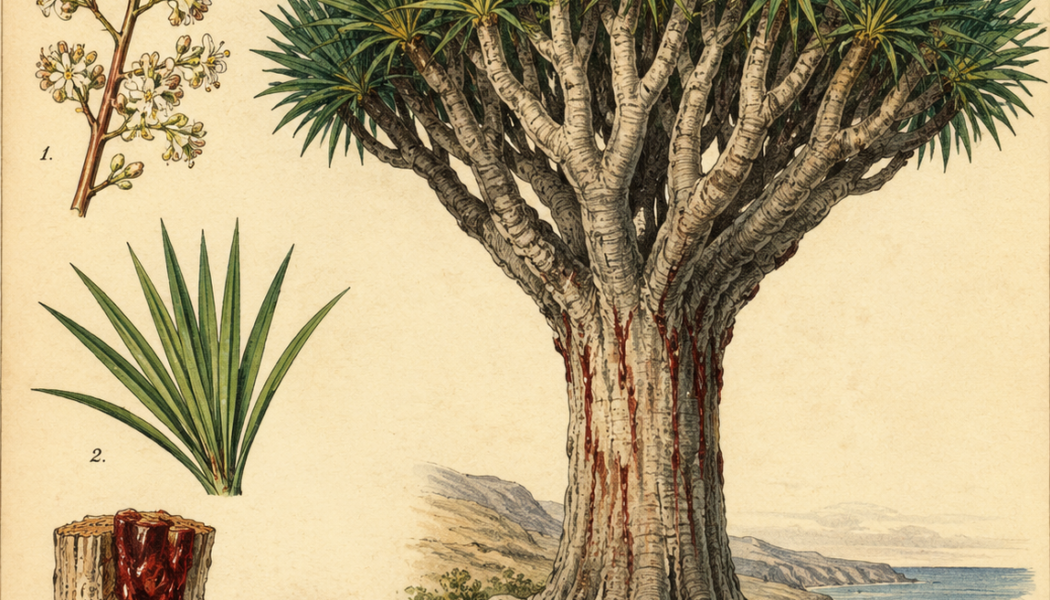

Dragon’s Blood and Its Place in Witchcraft
Dragon’s Blood is a mysterious and highly valued botanical substance used for centuries in spiritual traditions, folk magic, and witchcraft. Contrary to its dramatic name, Dragon’s Blood is not actual...
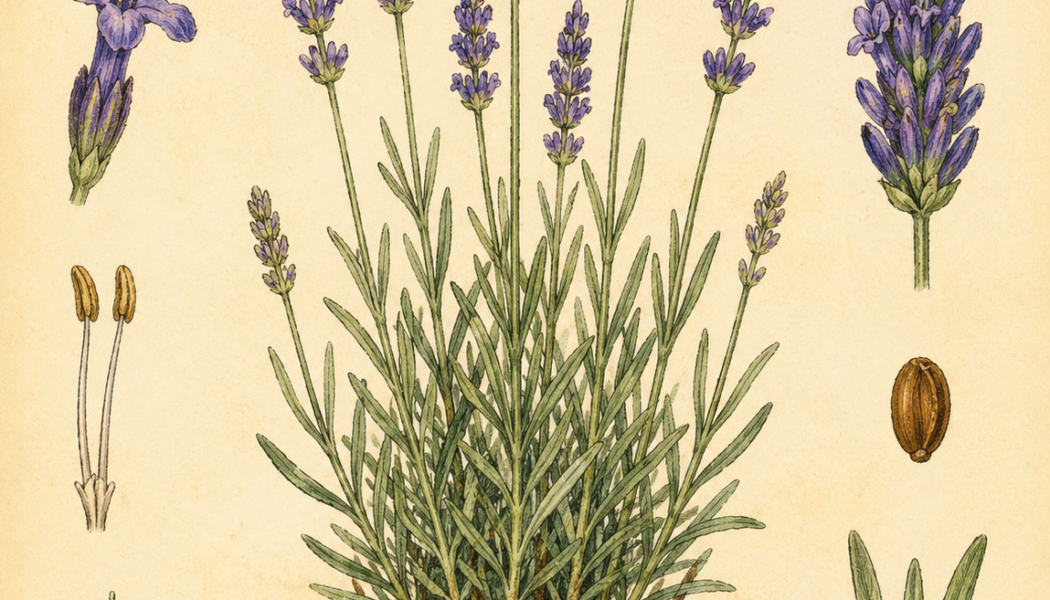

Lavender and Its Place in Witchcraft
Lavender is one of the most beloved and recognizable herbs in the world, admired for its calming fragrance, soft purple flowers, and healing qualities. Scientifically known as Lavandula, this plant ha...
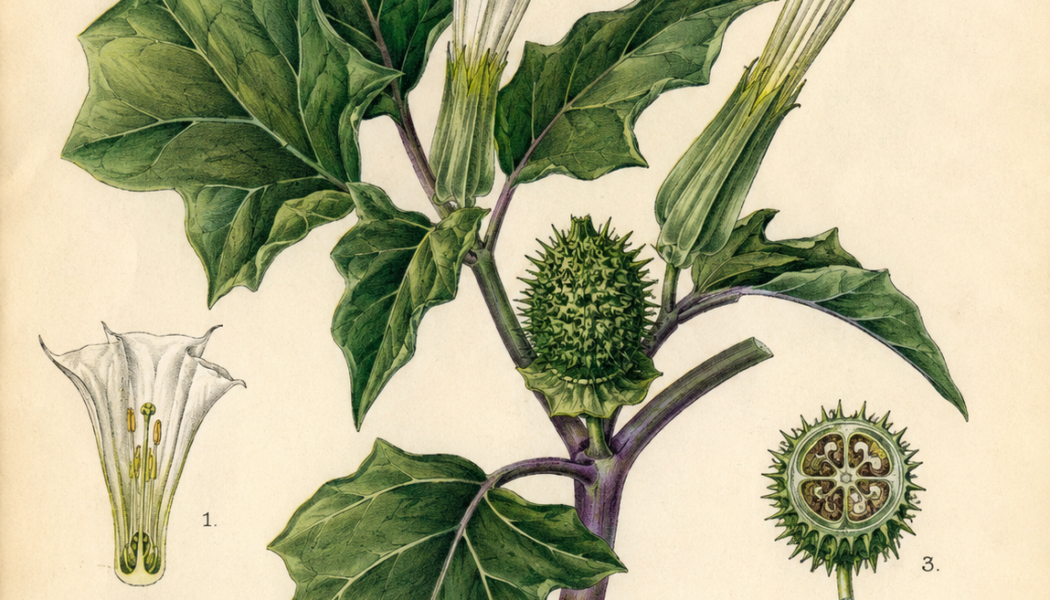

Datura and Its Place in Witchcraft
The plant known as Datura has long held a mysterious and feared reputation in folklore, magic, and witchcraft traditions around the world. Belonging to the nightshade family, Datura is recognized by i...
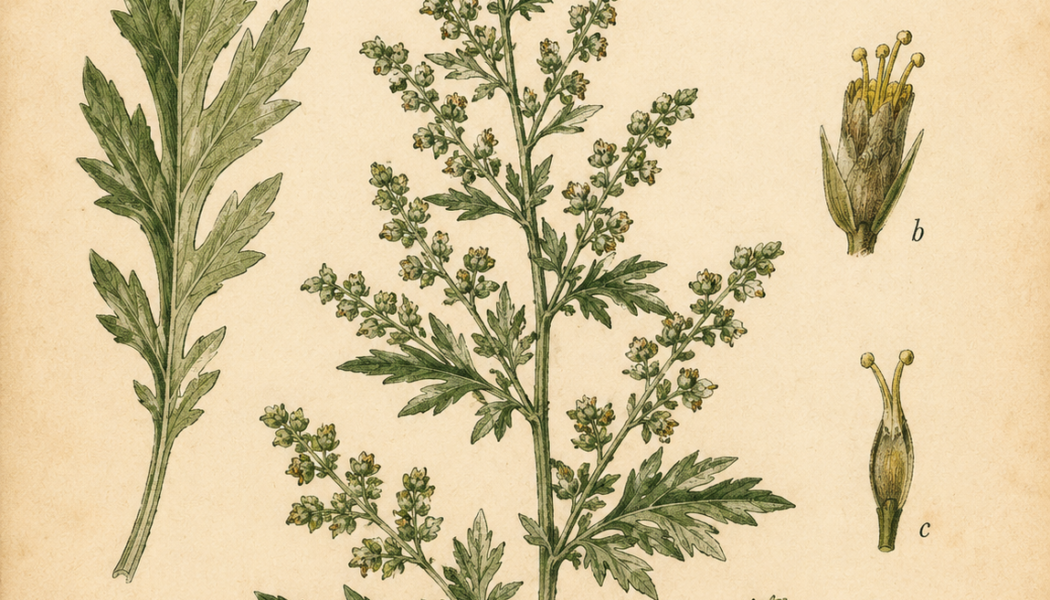

Mugwort and Its Place in Witchcraft
Mugwort (Artemisia vulgaris) is a hardy perennial plant that has long held a mysterious and magical reputation in folklore, herbalism, and witchcraft traditions around the world. Recognized by its sil...
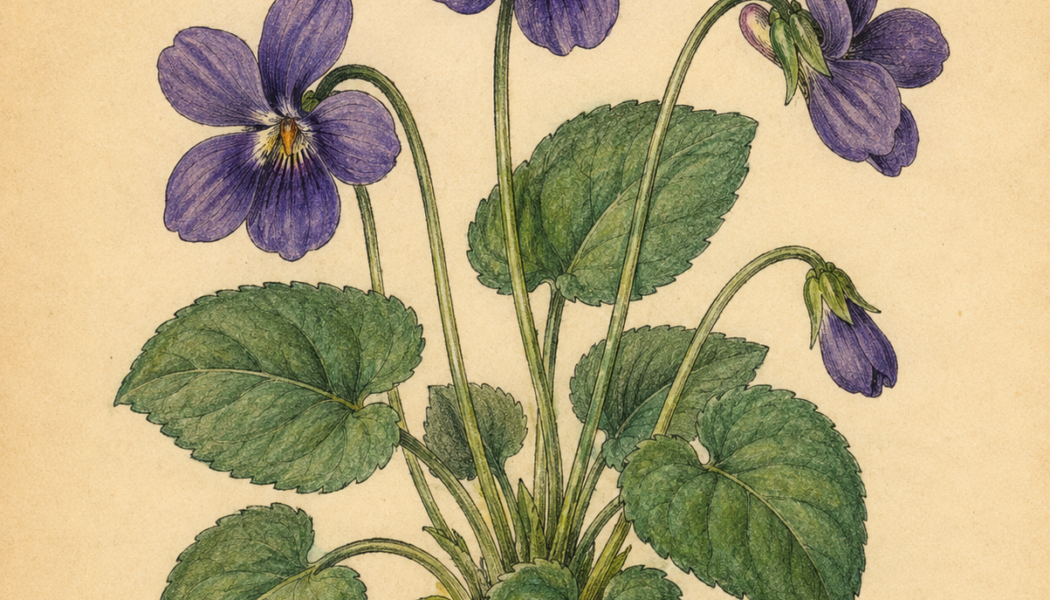

Violets and Their Place in Witchcraft
Violets are delicate flowering plants known for their heart-shaped leaves and fragrant purple, blue, or white blossoms. Belonging mainly to the Viola genus, these plants have been admired for centurie...
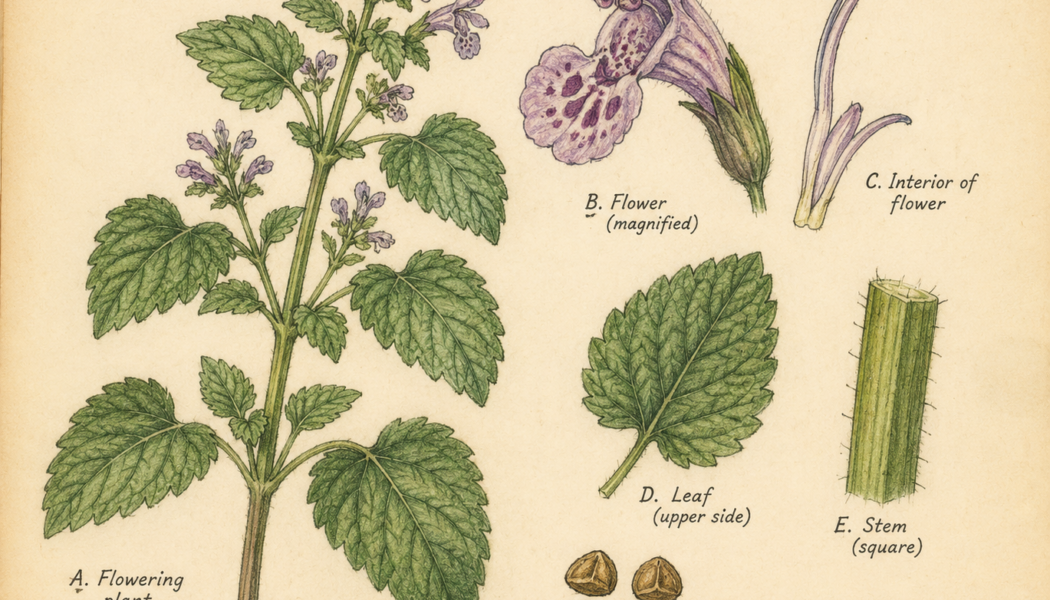

The Nepeta Plant and Its Place in Witchcraft
The Nepeta plant, more commonly known as catnip or catmint, belongs to the mint family (Lamiaceae) and has been valued for centuries in herbal medicine, folklore, and magical traditions. Native to Eur...
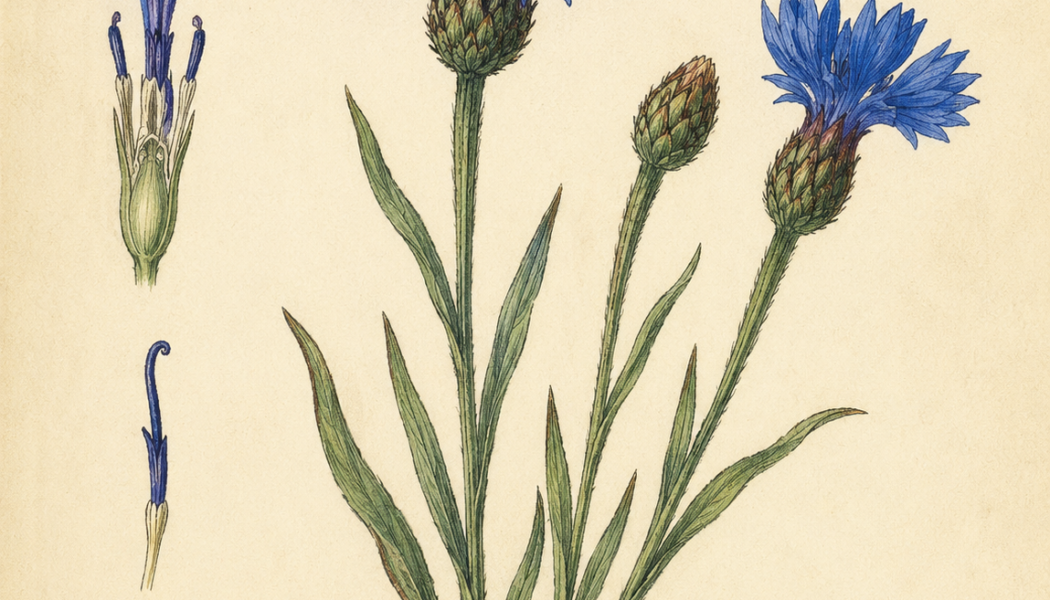

Cornflower and Its Place in Witchcraft
The cornflower, also known as bachelor’s button, is a delicate blue wildflower that has long held a place in folklore, herbal traditions, and witchcraft practices. Native to Europe and commonly found ...
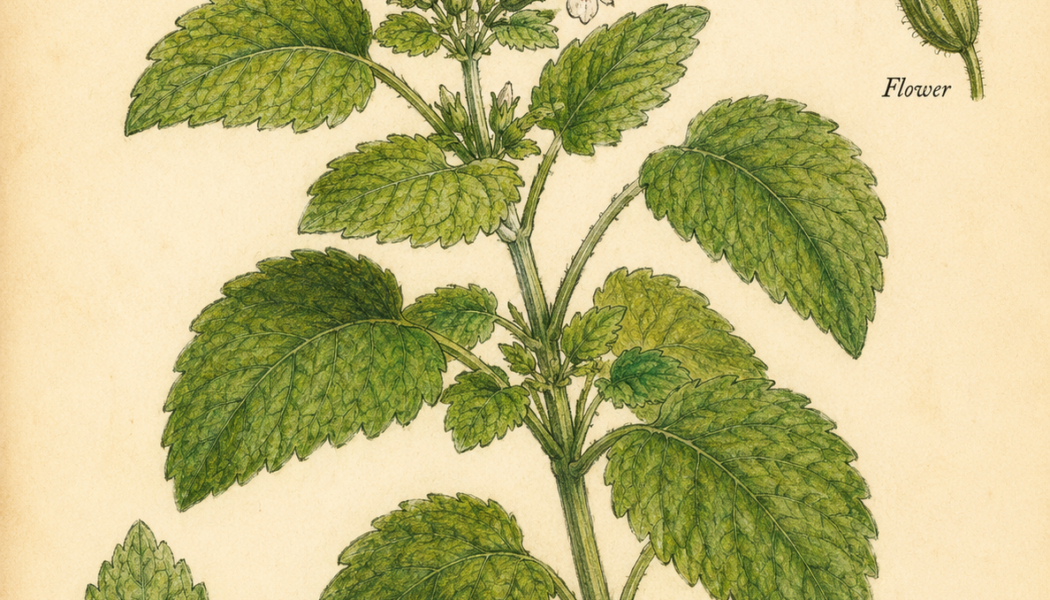

Lemon Balm and Its Place in Witchcraft
Lemon balm (Melissa officinalis) is a fragrant herb from the mint family that has been valued for centuries for both its medicinal and magical properties. With its soft green leaves and fresh citrus s...
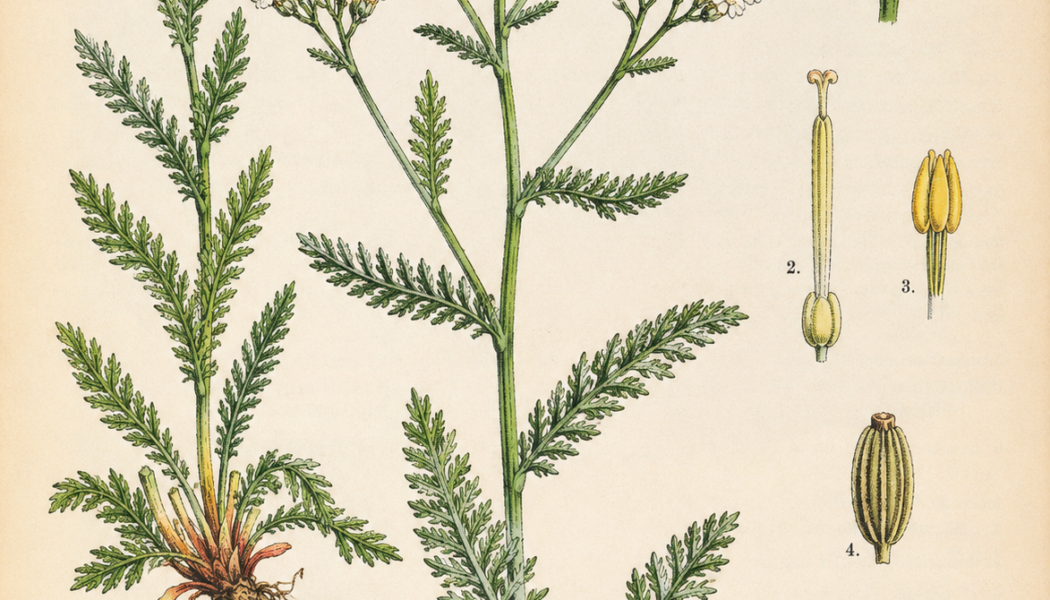

Yarrow and Its Place in Witchcraft
Yarrow, known scientifically as Achillea millefolium, is a flowering herb that has long been associated with healing, protection, and magical practice. Found growing wild across Europe, Asia, and Nort...
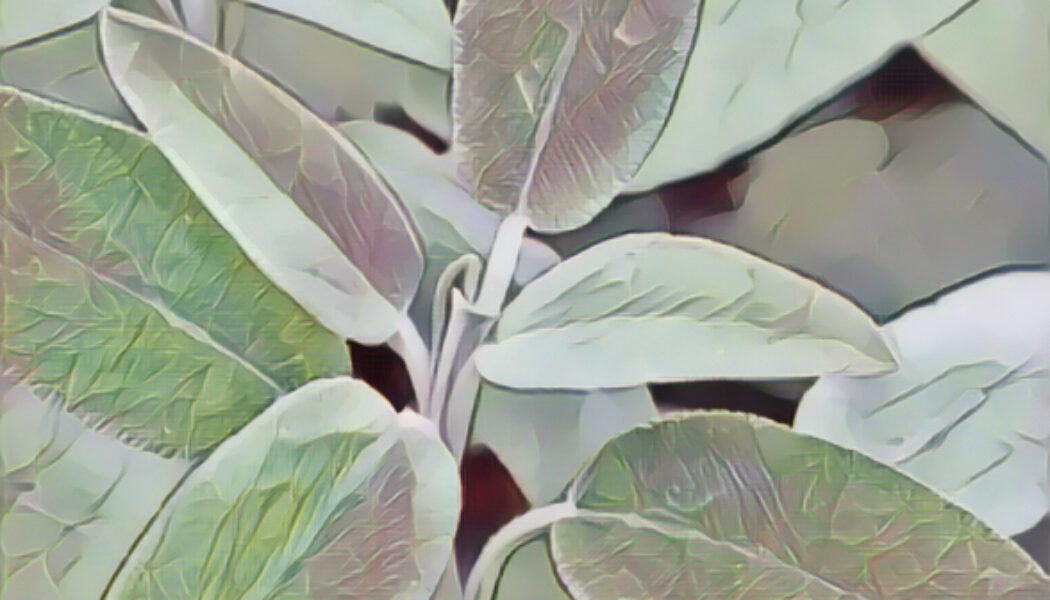

Sage Herb
Sage has long held a significant place in pagan traditions and modern witchcraft practices, where it is valued for its cleansing, protective, and spiritual properties. Often derived from the Salvia ge...
- 1
- 2