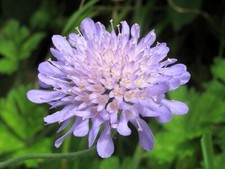
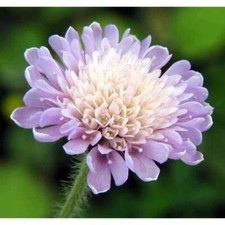
Field Scabious (Knautia arvensis) is a beautiful wildflower commonly found in meadows, grasslands, and roadside verges throughout Europe. Its soft lilac, pink, or violet flowers bloom from early summer into autumn, attracting bees, butterflies, and many other pollinating insects. Often mistaken for related scabious species, Field Scabious is valued for its delicate beauty and its important role in supporting wildlife.
In traditional herbal folklore, Field Scabious was associated with healing and cleansing. Although modern medicine does not rely on it as a primary remedy, historical herbalists used it to soothe skin complaints and minor wounds. Its old reputation as a restorative plant contributed to its symbolic connection with renewal, health, and resilience.
Within modern paganism, Field Scabious is appreciated as a flower that represents balance between the natural and spiritual worlds. Because it flourishes in untamed meadows and attracts an abundance of pollinators, it is often seen as a symbol of harmony, community, and the interconnectedness of life. Some practitioners include the flowers in seasonal celebrations, particularly those honouring the abundance of summer or the harvest season, where they serve as reminders of nature’s generosity and the importance of caring for the land.
In witchcraft and folk magic, Field Scabious is commonly linked with healing, protection, and gentle transformation. Dried flowers may be added to herbal sachets, charms, or altar decorations intended to encourage emotional recovery, personal growth, or peaceful energy. Some practitioners believe the plant helps clear away lingering negativity while encouraging calm and emotional resilience. It is also sometimes included in spells focused on self-care, renewal, or strengthening one’s connection to the natural world.
Like many magical plants, the spiritual properties attributed to Field Scabious come from folklore, personal tradition, and symbolic interpretation rather than scientific evidence. Different paths within paganism and witchcraft may assign different meanings to the plant.
Today, Field Scabious continues to be admired not only for its magical associations but also for its ecological importance. Whether growing wild in a meadow or placed upon a seasonal altar, it serves as a gentle reminder of healing, biodiversity, and the enduring relationship between people, plants, and the rhythms of nature.