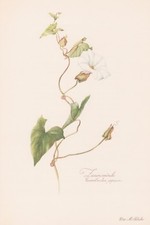
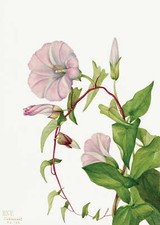
Hedge Bindweed (Calystegia sepium) is a familiar sight throughout hedgerows, woodland edges and country lanes. With its elegant white trumpet-shaped flowers and vigorous climbing stems, it has long attracted the attention of folk practitioners, herbalists and modern Pagans. Although it is not one of the better-known magical plants, Hedge Bindweed carries rich symbolic associations that make it a valuable addition to many solitary Pagan and witchcraft practices.
The plant’s greatest magical quality lies in its ability to climb, twist and weave itself around other plants. Because of this, Hedge Bindweed is often associated with the magical themes of connection, binding, commitment and perseverance. Rather than representing restriction alone, many practitioners view it as a symbol of strengthening healthy relationships, reinforcing personal goals and remaining steadfast when life becomes difficult.
In Pagan symbolism, the vine reminds us that all life is interconnected. Just as the plant links itself with trees, shrubs and hedgerows, many witches use Hedge Bindweed in rituals intended to deepen their connection with nature, ancestors or the spirits of the land. Gathering a small piece of vine respectfully—always asking permission from the plant and taking only what is needed—is considered by many to honour the spirit of the living landscape.
The white flowers are often linked with purity, healing and lunar energy. Some modern witches place fresh blossoms upon their altar during Full Moon rituals to encourage emotional balance, peaceful dreams and spiritual reflection. Others include the flowers in seasonal decorations celebrating the abundance of summer, when Hedge Bindweed blooms most freely.
Lengths of dried vine can also be woven into small protective wreaths or circles, symbolising the endless cycle of nature, the Wheel of the Year and the unbroken bonds between the practitioner and the natural world. These simple charms are often hung near doorways or sacred spaces to encourage harmony and continuity.
As with many traditional magical plants, there is little historical evidence that Hedge Bindweed held a widespread or universal role in ancient Pagan practice. Much of its magical use today comes from modern folk magic, symbolic interpretation and personal spiritual experience. For many solitary Pagans, however, Hedge Bindweed serves as a quiet reminder that true strength often comes through patience, resilience and our willingness to remain connected to both nature and the ever-turning cycles of life.