We would like to disclose that this website may contain affiliate links. This means that if you click on a product link and make a purchase, we may earn a commission. As an Amazon & eBay Partner Network Associate, we earn from qualifying purchases.
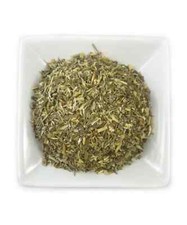
Ephedra is a hardy, shrub-like plant that grows naturally in dry deserts and mountainous regions across Asia, Europe, North America, and parts of Africa. Sometimes called “Mormon tea” or “jointfir,” it has thin green stems and tiny leaves, allowing it to survive in harsh environments. For thousands of years, different cultures have valued Ephedra for both practical and spiritual purposes.
Historically, Ephedra has been used in traditional medicine, particularly in China, where one species, Ephedra sinica (known as ma huang), has long been used to support breathing and relieve congestion. The plant contains naturally occurring alkaloids, including ephedrine, which can stimulate the nervous system. Because of these powerful effects, many countries regulate or restrict products containing concentrated Ephedra extracts. Modern practitioners should never consume the plant without understanding the potential health risks and local laws.
In contemporary paganism and witchcraft, Ephedra is generally viewed as a symbolic magical herb rather than a commonly used ritual ingredient. While it does not have the extensive folklore associated with herbs such as mugwort, rosemary, or vervain, some modern practitioners associate it with endurance, vitality, resilience, protection, and the element of Air. Its ability to thrive in barren landscapes makes it a symbol of perseverance and inner strength.
Some witches and pagans may include dried Ephedra in charm bags, protection sachets, or altar displays intended to represent resilience, focus, or overcoming challenges. Others use the plant as a meditation symbol, reflecting on its ability to flourish in difficult conditions. These associations are largely modern interpretations rather than beliefs that can be traced directly to historical pagan traditions.
Because of its stimulating chemical properties, burning or ingesting Ephedra for magical purposes is generally discouraged. Many practitioners prefer to work with the plant symbolically, appreciating its appearance and history while avoiding unnecessary health risks.
Today, Ephedra serves as an interesting example of how ancient medicinal plants can inspire modern spiritual symbolism. Whether appreciated for its remarkable ability to survive in extreme environments or for its place in herbal history, Ephedra reminds many pagans and witches that resilience, adaptability, and strength can flourish even in the most challenging circumstances.