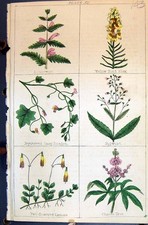
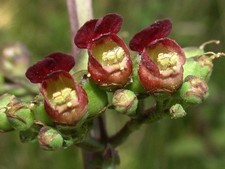
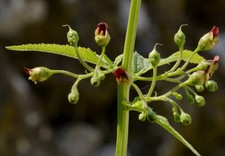
Figwort (Scrophularia nodosa) is a hardy wild plant that grows in woodlands, hedgerows, and damp meadows throughout Europe and parts of Asia. Although it is often overlooked because of its small greenish-purple flowers, figwort has been valued for centuries as a medicinal herb and a plant of spiritual significance. Traditionally, herbalists used it to support the lymphatic system and to help treat skin conditions, swollen glands, and minor wounds. Its unusual appearance and ability to thrive in difficult places have contributed to its reputation as a plant of resilience and hidden strength.
In pagan traditions, figwort is associated with healing, transformation, and the restoration of balance. Many modern pagans see it as a symbol of the body’s ability to recover and the spirit’s capacity to grow through life’s challenges. Because it flourishes quietly in shaded areas, it is also linked to hidden wisdom, reminding practitioners that valuable lessons are often found in unexpected places.
Within modern witchcraft, figwort is commonly included in spells and rituals focused on healing, renewal, and personal growth. It may be placed on an altar during healing ceremonies, added to herbal sachets intended to encourage emotional recovery, or used as an offering to nature spirits and deities connected with health and the earth. Some practitioners believe the herb helps remove stagnant or unwanted energy, making space for positive change and fresh beginnings.
Figwort also represents protection during periods of transition. Whether someone is recovering from illness, overcoming emotional hardship, or beginning a new chapter in life, the plant is thought to offer gentle spiritual support and grounding energy. Its connection to both physical and spiritual healing makes it a respected herb in many contemporary magical practices.
As with many herbs used in paganism and witchcraft, the spiritual qualities of figwort are based on folklore, symbolism, and personal belief rather than scientific evidence. Anyone interested in using the plant medicinally should consult a qualified healthcare professional, as herbal remedies may not be suitable for everyone.
Today, figwort remains a quiet but meaningful symbol of healing, resilience, and the enduring connection between nature, spirituality, and traditional herbal wisdom.