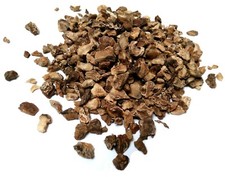
Devil’s Claw is a plant best known for its unusual, hooked seed pods, which resemble sharp claws. Several plants share this common name, but in magical traditions it most often refers to the seed pods of Proboscidea species, native to the southwestern United States and northern Mexico. The plant produces attractive flowers before developing its distinctive, curved pods, which naturally split into two claw-like shapes as they dry. These striking seed pods have inspired both its common name and many of the magical beliefs surrounding it.
In folk magic, paganism, and witchcraft, Devil’s Claw is valued primarily as a powerful protective herb. Despite its intimidating name, it is not associated with evil or the devil. Instead, its claw-like appearance symbolizes the ability to grasp, trap, and repel harmful energies. Practitioners often use the dried pods or pieces of the root in protective spells, charms, and talismans designed to keep away negativity, ill intentions, and unwanted spiritual influences.
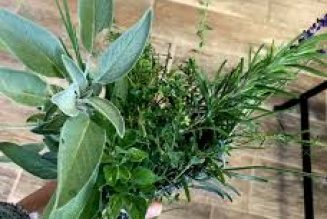
Many witches place Devil’s Claw near the entrance of a home, hang it above doors, or include it on altars dedicated to protection and warding. It may also be carried in a charm bag or combined with other protective herbs such as rosemary, rue, or angelica root. Some traditions believe the plant can “hook” bad luck before it reaches the practitioner, while others use it in rituals intended to break hexes or strengthen magical boundaries.
The plant also represents resilience and strength. Its tough seed pods, which cling firmly to passing animals in nature, symbolize determination and the ability to hold onto one’s goals. Because of this symbolism, some practitioners incorporate Devil’s Claw into spells for perseverance, confidence, and overcoming obstacles.
As with many magical herbs, the spiritual significance of Devil’s Claw varies between traditions and individual practitioners. Its use is rooted in folklore and personal belief rather than scientific evidence. Today, it remains a respected ingredient in many modern pagan and witchcraft practices, admired for its dramatic appearance and enduring reputation as a symbol of protection, resilience, and spiritual defense.