We would like to disclose that this website may contain affiliate links. This means that if you click on a product link and make a purchase, we may earn a commission. As an Amazon & eBay Partner Network Associate, we earn from qualifying purchases.
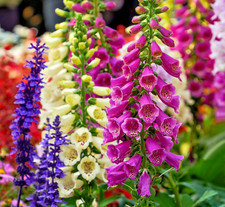
Foxglove (Digitalis purpurea) is a striking flowering plant known for its tall stems covered in bell-shaped blossoms that bloom in shades of purple, pink, white, and cream. Native to Europe but now found in many parts of the world, it thrives in woodlands, hedgerows, and cottage gardens. While admired for its beauty, foxglove is also highly poisonous. Despite this danger, it has played an important role in medicine, as compounds from the plant have been used to create drugs that help treat certain heart conditions.
In pagan traditions, foxglove has long been associated with the spirit world and the hidden realms of nature. Ancient folklore often called it “fairy gloves” or “folk’s gloves,” reflecting the belief that fairies lived among the flowers or used the blossoms as tiny gloves. Some stories warned that picking foxgloves without respect could anger the fairies or invite bad luck. Because of these legends, the plant became a symbol of the unseen forces believed to inhabit forests and wild places.
In modern witchcraft and many pagan practices, foxglove is valued more for its symbolism than for physical use. It represents intuition, mystery, transformation, and the boundary between the ordinary world and the spiritual realm. Practitioners may include images of foxglove in artwork, altar decorations, or seasonal celebrations to honor nature’s magic and the balance between beauty and danger. The plant is also seen as a reminder that wisdom comes with caution and respect for the natural world.
Because foxglove is extremely toxic, it should never be consumed or used in homemade herbal remedies, magical teas, or incense. Even handling the plant should be followed by careful handwashing, especially before touching the face or preparing food. Modern practitioners generally appreciate foxglove as a symbolic and decorative plant rather than one for direct ritual use.
Foxglove continues to inspire gardeners, nature lovers, pagans, and witches alike. Its graceful flowers, rich folklore, and deep spiritual symbolism make it one of the most fascinating plants in magical tradition, reminding us that nature often combines breathtaking beauty with powerful lessons about respect, mystery, and responsibility.