We would like to disclose that this website may contain affiliate links. This means that if you click on a product link and make a purchase, we may earn a commission. As an Amazon & eBay Partner Network Associate, we earn from qualifying purchases.
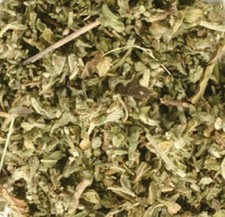
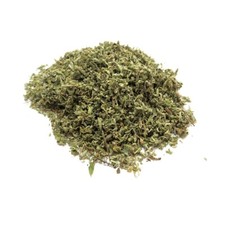
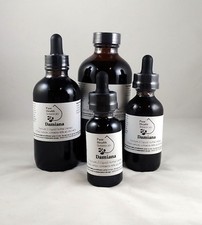
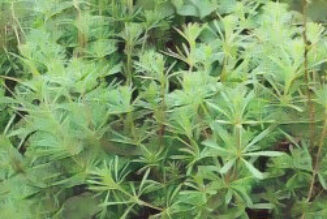
Damiana (Turnera diffusa) is a small flowering shrub native to Mexico, Central America, the Caribbean, and parts of the southern United States. Known for its fragrant leaves and bright yellow flowers, it has been used for centuries in traditional herbal medicine. Indigenous peoples valued damiana as a tonic to support relaxation, emotional well-being, and vitality. Today, it is commonly enjoyed as an herbal tea, tincture, or incense and remains popular in both herbalism and modern spiritual practices.
In paganism and witchcraft, damiana is widely associated with love, passion, desire, and emotional healing. Many practitioners believe its warm, uplifting energy can encourage confidence, self-love, and deeper emotional connections. It is often included in love spells, attraction sachets, and charm bags designed to strengthen romantic relationships or help attract new love. Rather than forcing affection, many modern witches use damiana with the intention of opening the heart and encouraging healthy, mutual connections.
Damiana is also linked to the element of Fire and the planet Mars or Venus, depending on the magical tradition. These associations reflect its balance of passionate energy and gentle affection. Burned as incense or added to herbal blends, damiana is believed to create a peaceful atmosphere, support meditation, and inspire creativity. Some practitioners use it before rituals to calm the mind while maintaining focus and positive energy.
In addition to its role in love magic, damiana is sometimes used in spells for happiness, courage, and personal empowerment. It may be placed on an altar as an offering, carried in a charm bag for confidence, or brewed into a ritual tea before spiritual work. As with all herbs, practitioners are encouraged to research its safe use before consuming it, as herbal remedies are not suitable for everyone.
Although there is no scientific evidence supporting damiana’s magical properties, its long history in folklore and spiritual traditions has made it a respected herb within many pagan and witchcraft practices. Whether used symbolically in ritual or simply appreciated for its pleasant aroma and rich cultural history, damiana continues to hold a valued place in modern magical traditions.