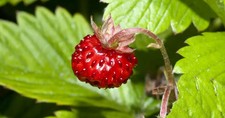
The Forest Strawberry (Fragaria vesca), also known as the wild strawberry, is a small perennial plant that grows naturally in woodlands, meadows, and hedgerows across Europe, Asia, and North America. It is easily recognized by its delicate white five-petaled flowers, bright red berries, and fresh green leaves. Although much smaller than cultivated garden strawberries, the fruit is prized for its rich, sweet flavor and fragrant aroma. For centuries, the Forest Strawberry has been valued not only as a food and medicinal herb but also as a plant rich in folklore, spiritual symbolism, and magical tradition.
In many pagan traditions, the Forest Strawberry represents abundance, happiness, fertility, and the generosity of the Earth. Because it produces sweet fruit close to the ground, it symbolizes the blessings that nature freely offers to those who live in harmony with the land. The plant is often associated with the arrival of summer and the abundance celebrated during seasonal festivals. Its heart-shaped leaves also connect it with love, compassion, and emotional healing.
In witchcraft and folk magic, the Forest Strawberry is believed to carry gentle, nurturing energy rather than forceful power. The leaves, flowers, and berries may be used in spells or charms focused on attracting love, strengthening friendships, encouraging joy, and promoting peace within the home. Some practitioners place fresh or dried leaves on an altar as an offering to nature spirits or deities connected with fertility, forests, and the harvest. The berries may also be included in seasonal feasts or ritual meals to honor the Earth’s gifts and celebrate gratitude.
The Forest Strawberry is also linked with protection and good fortune. In some European folk traditions, carrying a strawberry leaf or planting the herb near the home was thought to invite blessings and keep away negativity. The plant’s low-growing habit reminds practitioners to stay humble, grounded, and connected to nature’s cycles.
Today, the Forest Strawberry remains a cherished plant among modern pagans, witches, herbalists, and nature lovers. Whether appreciated for its delicious fruit, healing qualities, or rich symbolic history, it continues to represent sweetness, renewal, love, and the enduring magic found in the natural world.