We would like to disclose that this website may contain affiliate links. This means that if you click on a product link and make a purchase, we may earn a commission. As an Amazon & eBay Partner Network Associate, we earn from qualifying purchases.
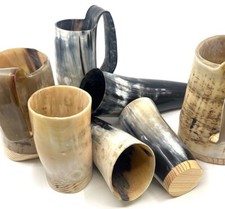
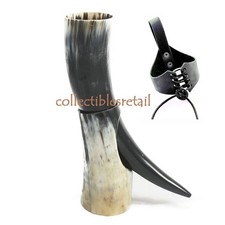
Drinking horns have long held a place of honor in pagan and witchcraft traditions, symbolizing celebration, sacred communion, and the connection between humanity and the divine. Crafted from the horns of cattle, goats, or other animals, these vessels date back to ancient Europe, especially among Norse, Celtic, Germanic, and Anglo-Saxon cultures. In modern paganism and witchcraft, they continue to serve both ceremonial and symbolic purposes.
In many pagan traditions, the drinking horn is associated with ritual feasting and offerings to the gods. During seasonal festivals such as Yule, Beltane, or Midsummer, mead, wine, or ale may be poured into a horn and shared among participants. Passing the horn around a circle represents unity, hospitality, and the sharing of blessings. In Heathen and Norse-inspired practices, the horn is often used in a ritual known as “sumbel,” where participants make toasts, oaths, or boasts in honor of deities, ancestors, or personal achievements. The act is considered sacred, with words spoken over the horn believed to carry spiritual weight.
In witchcraft traditions, drinking horns may also be used as ritual tools upon the altar. They can hold consecrated liquids, herbal brews, moon water, or ritual wines intended for spellwork and invocation. Because the horn comes from an animal, it is viewed as a symbol of strength, fertility, and the primal forces of nature. Some practitioners decorate their horns with runes, sigils, crystals, or carvings to enhance magical intention and personal connection.
The symbolism of the horn itself is deeply significant. Horns are often linked to horned deities such as Cernunnos or Pan, figures associated with wilderness, fertility, and untamed spiritual power. Drinking from the horn can therefore symbolize drawing wisdom and vitality from nature and the old gods.
Today, many pagans and witches use drinking horns not only as ritual objects but also as a way to honor ancient customs and maintain a tangible connection to ancestral traditions. Whether used in solemn ceremony or joyful celebration, the drinking horn remains a powerful emblem of community, spirituality, and reverence for the natural world.