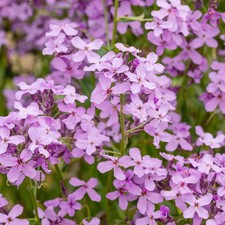
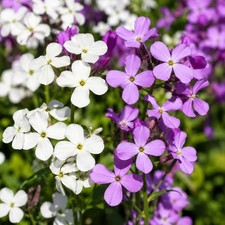
Hesperis, more commonly known as Dame’s Rocket (Hesperis matronalis), is a graceful flowering plant that has long been associated with the quiet magic of dusk, beauty, love, and the mysteries that unfold between daylight and darkness. Although it is not one of the most frequently mentioned herbs in surviving medieval grimoires, modern Pagans and witches often value Hesperis for its symbolism, enchanting fragrance, and connection with the evening hours.
The name Hesperis comes from the Greek word hesperos, meaning evening. This alone gives the plant a special place within magical practice. Its sweet scent becomes strongest as the sun sets, making it a natural symbol of transition, intuition, hidden wisdom, and the unseen world. Many practitioners see it as a flower that encourages reflection, meditation, and the opening of psychic awareness.
In Pagan traditions, Hesperis is often planted in sacred gardens dedicated to the Moon or to deities associated with twilight, dreams, and the night. Sitting beside the flowers during the evening can create a peaceful atmosphere for prayer, meditation, or quiet contemplation. Many solitary practitioners simply enjoy its calming presence while watching the sun disappear below the horizon.
In witchcraft, Hesperis is commonly used in spells involving love, friendship, harmony, and emotional healing. Fresh blossoms may be placed on an altar during rituals intended to strengthen relationships or encourage forgiveness between friends and family members. Because the flowers bloom in clusters, they are sometimes viewed as symbols of community and unity.
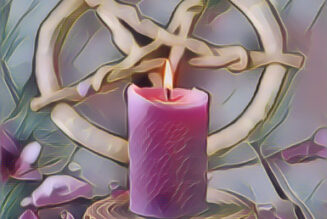
The petals can also be added to charm bags or spell sachets designed to attract kindness, peaceful communication, and gentle affection. Some witches scatter dried flowers around candles during full moon rituals, believing the plant helps strengthen intuition and encourages meaningful dreams.
Hesperis is also associated with the element of Water, representing emotion, healing, and spiritual sensitivity. Others see a balance of Water and Air within the plant, combining emotional wisdom with clear thought and communication.
While Hesperis has no long-established reputation as a powerful magical herb in historical European folk magic, many modern Pagans appreciate it for its symbolism rather than any claim of supernatural power. Its evening fragrance serves as a reminder that some of life’s deepest lessons arrive quietly, after the noise of the day has faded.
Whether growing in a moonlit garden or resting upon a ritual altar, Hesperis represents beauty, tranquillity, intuition, and the gentle magic found in the peaceful hours between sunset and night.