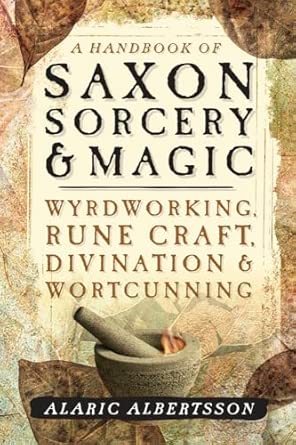
“A Handbook of Saxon Sorcery and Magic: Wyrdworking, Rune Craft, Divination and Wortcunning” stands as a thorough and engaging guide to the magical traditions rooted in Anglo-Saxon history. This book distinguishes itself by delving deeply into the cultural and historical context of early English folk magic, offering readers not only practical techniques but also a nuanced understanding of the beliefs and customs that shaped these practices. The Anglo-Saxon period, spanning from the 5th to the 11th centuries, was a time of profound spiritual and cultural transformation in England. Magic, for the Anglo-Saxons, was woven into daily life, blending indigenous pagan beliefs with later Christian influences. The book’s exploration of wyrdworking, rune craft, divination, and wortcunning reflects this rich tapestry of tradition.
Wyrdworking, a central concept in the book, refers to the art of shaping fate or destiny—known as “wyrd” in Old English. The Anglo-Saxons viewed wyrd as a living force, an ever-unfolding web that connected all beings and events. Practitioners of wyrdworking sought to understand and influence this web through ritual, meditation, and symbolic action. For example, a simple wyrdworking ritual might involve lighting a candle at dawn, focusing on a specific intention, and reciting a traditional charm such as: “By flame and fate, I call my path, let wyrd unfold as I have asked.” The book provides step-by-step guidance for such rituals, encouraging readers to personalize their practice by incorporating meaningful symbols, ancestral stories, or seasonal observances.
Rune craft is another cornerstone of Anglo-Saxon magic, and the book offers a comprehensive introduction to the thirty-three Old English Futhorc runes. Each rune is presented with its historical meaning, magical associations, and practical uses. For instance, the rune “Eolh” is associated with protection and can be carved into wood or stone to create a protective amulet. The book details the process: select a piece of wood, cleanse it with smoke or salt water, carve the rune with focused intent, and consecrate it by passing it through incense or candle flame while reciting a blessing. Sample incantations and historical anecdotes accompany each rune, helping readers connect with the living tradition behind the symbols.
Divination, or the art of seeking guidance from unseen forces, is explored through several traditional methods. The book describes how runes can be cast onto a cloth and interpreted based on their positions and relationships. For beginners, a simple three-rune spread is recommended: one rune for the past, one for the present, and one for the future. The book also discusses dream interpretation, omen reading, and the use of natural objects—such as feathers, stones, or animal tracks—as signs from the spirit world. Practical advice is given for recording divinatory experiences in a journal, noting not only the results but also the feelings and insights that arise during the process.
Wortcunning, the ancient practice of herbal magic, is given special attention. The Anglo-Saxons believed that every plant possessed unique virtues and spirits, and wortcunners—herbal magicians—developed deep relationships with the natural world. The book includes detailed guides for gathering, drying, and storing herbs, as well as recipes for potions, salves, and incense blends. For example, a simple healing salve might be made by infusing olive oil with yarrow and plantain, then mixing it with beeswax. The book emphasizes ethical wildcrafting, respect for local ecosystems, and the importance of gratitude offerings when harvesting plants. Sample rituals for blessing herbs and invoking their spirits are provided, such as: “Green kin of earth, I honor your gift; may your virtue bring healing and peace.”
Throughout the book, historical context is woven into practical instruction. Readers learn not only how to perform rituals, but also why these practices mattered to the Anglo-Saxons. The blending of pagan and Christian elements is explored, with examples of charms that invoke both ancient deities and Christian saints. The book discusses the role of the cunning folk—wise men and women who served their communities as healers, diviners, and protectors—and how their legacy continues in modern witchcraft. Insights into seasonal festivals, such as Eostre (spring) and Modranicht (midwinter), provide inspiration for creating rituals that honor the cycles of nature.
For beginners, the book is approachable and supportive, offering clear step-by-step instructions for rituals, spells, and the creation of magical tools. Newcomers are encouraged to start slowly, focusing on one chapter or technique at a time, and to keep a journal for recording experiences, dreams, and insights. The author suggests simple daily practices, such as lighting a candle with intention, meditating with a rune stone, or preparing a cup of herbal tea as an act of magic. Sample beginner rituals include crafting a personal protection charm, blessing a home with salt and water, or creating a gratitude list to honor the spirits of place.
The book also provides advice for personalizing and adapting practices. Readers are encouraged to draw on their own ancestry, local landscapes, and personal beliefs when crafting rituals. Suggestions include creating altars with meaningful objects, writing original charms, or adapting traditional recipes to use locally available herbs. The importance of experimentation and intuition is emphasized, with reminders that magic is a living art, shaped by the practitioner’s unique journey.
While the book is rich in detail, it acknowledges that some readers may benefit from additional visual aids. Suggestions are made for supplementing the text with photographs of rune layouts, diagrams of altar setups, or step-by-step images of potion-making. For those who learn best through hands-on experience, participation in community workshops, online courses, or local gatherings is recommended. The book also encourages readers to seek out historical sources, folklore collections, and archaeological studies to deepen their understanding of Anglo-Saxon magic.
In summary, “A Handbook of Saxon Sorcery and Magic” is a meticulously researched and inspiring resource for anyone seeking to explore the roots of English folk magic. It offers a wealth of practical techniques, historical insights, and creative inspiration for both solitary practitioners and groups. Whether you are drawn to the mysteries of wyrd, the power of runes, the wisdom of herbs, or the art of divination, this book provides a reliable and adaptable foundation for your magical journey. By honoring the past and embracing personal creativity, readers are invited to become part of a living tradition—one that continues to evolve and inspire in the modern world.