
Author: A Solitary Pagan
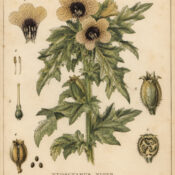

Henbane in Paganism and Witchcraft: A Plant of Mystery and Caution
Henbane (Hyoscyamus niger) has long held a place in the folklore, mythology, and magical traditions of Europe. With its pale yellow flowers veined in deep purple and its strange, unpleasant scent, it is a plant that has inspired both fascination and fear. Throughout history it has been associated with prophecy, spirit work, altered states of consciousness, and the mysteries of the unseen world. In...
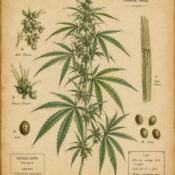

Hemp in Paganism and Witchcraft: A Plant of Strength, Protection, and Connection
Hemp (Cannabis sativa) has been valued by many cultures for thousands of years, not only for its practical uses but also for its spiritual symbolism. It is important to distinguish industrial hemp, which contains only trace amounts of THC and is grown primarily for fibre, seed, and oil, from varieties cultivated for their intoxicating effects. Within many modern Pagan and witchcraft traditions, he...
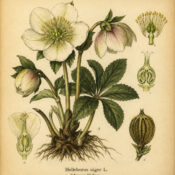

Hellebore in Paganism and Witchcraft: The Mysterious Winter Flower
Hellebore (Helleborus spp.), often called the Christmas Rose or Lenten Rose, has long been surrounded by mystery, folklore, and magical tradition. Blooming during the coldest months of the year when most other plants lie dormant, it has become a powerful symbol of endurance, transformation, and hidden wisdom. Throughout history, many Pagans and practitioners of witchcraft have viewed hellebore as ...
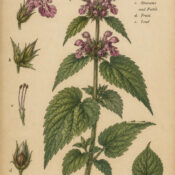

Hedge Woundwort (Stachys sylvatica) in Paganism and Witchcraft
Hedge Woundwort (Stachys sylvatica) is a native woodland plant found throughout much of Britain and Europe. Recognisable by its tall stems, heart-shaped leaves, and deep purple flowers, it has long been valued in traditional herbal lore. While modern herbalists know it primarily for its historical use in treating cuts and wounds, many Pagans and witches also regard Hedge Woundwort as a plant of he...
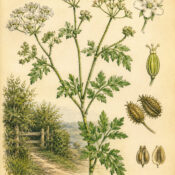

Hedge Parsley in Paganism and Witchcraft
Hedge parsley (Torilis japonica and related Torilis species) is a modest wild plant that grows along hedgerows, woodland edges, old pathways, and forgotten corners of the countryside. Although it does not enjoy the same widespread magical reputation as herbs such as mugwort, rosemary, or yarrow, many modern pagans and traditional folk practitioners value hedge parsley because of the symbolism of t...
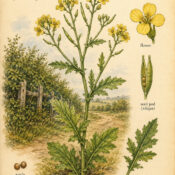

Hedge Mustard in Paganism and Witchcraft
Hedge Mustard (Sisymbrium officinale) is a humble wild herb that has quietly grown along hedgerows, roadsides, and forgotten corners of the countryside for centuries. Although it is better known in traditional herbalism for soothing the throat and voice, many modern Pagans and witches also value the plant for its subtle magical qualities. Rather than being associated with dramatic spells, Hedge Mu...
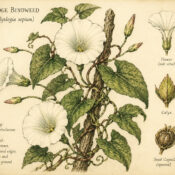

Hedge Bindweed in Paganism and Witchcraft
Hedge Bindweed (Calystegia sepium) is a familiar sight throughout hedgerows, woodland edges and country lanes. With its elegant white trumpet-shaped flowers and vigorous climbing stems, it has long attracted the attention of folk practitioners, herbalists and modern Pagans. Although it is not one of the better-known magical plants, Hedge Bindweed carries rich symbolic associations that make it a v...
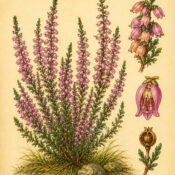

Heather in Paganism and Witchcraft: A Plant of Protection, Luck and the Wild Places
Heather (Calluna vulgaris) has long been treasured by Pagans and witches as one of the sacred plants of the moorland and heath. Covering hillsides in shades of purple, pink and white, it has become a symbol of resilience, protection and the quiet power of nature. Growing where many other plants struggle, Heather reminds us that strength often comes through endurance rather than force. In many Paga...
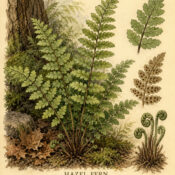

Hazel Fern in Paganism and Witchcraft: A Plant of Wisdom and Hidden Pathways
Hazel Fern is a woodland plant that quietly thrives in damp, shaded places where ancient trees have stood for generations. Although it is not as widely known in modern witchcraft as herbs such as mugwort, rosemary, or vervain, many solitary Pagans and folk practitioners value Hazel Fern for its strong connection with wisdom, intuition, hidden knowledge, and the peaceful energy of the forest. The a...
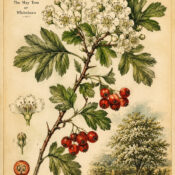

Hawthorn in Paganism and Witchcraft
Hawthorn (Crataegus spp.) has long been regarded as one of the most sacred trees in European folklore and Pagan tradition. Often called the May Tree or Fairy Tree, it has been associated with the liminal spaces between the physical and spiritual worlds for centuries. Covered in fragrant white blossoms during late spring and brilliant red berries in autumn, Hawthorn symbolizes both the promise of n...
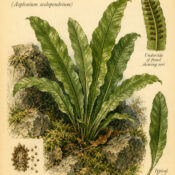

Hart’s Tongue Fern in Paganism and Witchcraft: The Leaf of Hidden Wisdom
Hart’s Tongue Fern (Asplenium scolopendrium) is one of Britain’s most distinctive native ferns, instantly recognised by its long, smooth, tongue-shaped fronds. Unlike the delicate, feathery appearance of many other ferns, Hart’s Tongue has broad, glossy leaves that remain green throughout much of the year, making it a quiet symbol of endurance, resilience, and ancient woodland ma...
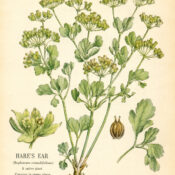

Hare’s Ear in Paganism and Witchcraft
Hare’s Ear (Bupleurum species) is a modest-looking wildflower that has never achieved the fame of herbs such as mugwort, vervain, or yarrow. Yet among many modern Pagans and folk practitioners, it has found a place as a symbol of intuition, resilience, and the quiet wisdom of the natural world. While there is little historical evidence that Hare’s Ear was widely used in ancient Europea...