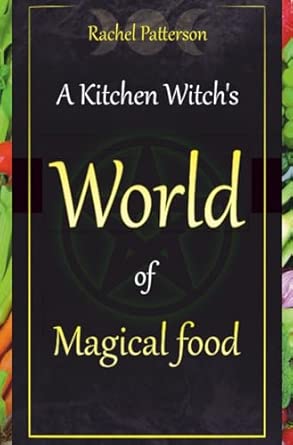
Welcome to the world of Kitchen Witchcraft, a magical tradition where the ordinary becomes extraordinary and every meal is an opportunity to infuse your life with intention, energy, and wonder. In Kitchen Witchcraft, your kitchen is transformed into a sacred space—a place where the act of preparing food becomes a ritual in itself, and where the simplest ingredients can be used to create powerful magic. Whether you’re a seasoned practitioner or just beginning to explore the world of witchcraft, Kitchen Witchcraft offers a welcoming path that invites you to see your home, your meals, and your daily routines in a whole new light. (short pause)
In Kitchen Witchcraft, every meal is a chance to create something special, not just for your body, but for your spirit as well. Food is magical not only because it nourishes us, but because each ingredient carries its own unique energy, symbolism, and history. For example, bay leaves are often used for protection and wishes, while chili peppers can add a burst of energy and courage to your life. Garlic is famous for its ability to ward off negativity, and honey is cherished for its sweetness and its power to attract love and happiness. Even the act of preparing a meal—chopping vegetables, stirring a pot, or kneading dough—can become a mindful ritual, a way to focus your intentions and connect with the present moment. The kitchen is often called the heart of the home, and in Kitchen Witchcraft, it truly becomes a place where warmth, comfort, and magic naturally come together. (pause)
When you practice Kitchen Witchcraft, you begin by choosing your ingredients with care and purpose. Each herb, spice, fruit, or vegetable has its own magical associations and can be used to support your intentions. Basil, for example, is often used for love, prosperity, and protection. Cinnamon is linked to abundance, warmth, and spiritual power. Rosemary is valued for clarity, memory, and purification, while sage is used for cleansing and wisdom. Even everyday ingredients like salt, pepper, and olive oil have their own magical uses—salt for protection and purification, pepper for banishing negativity, and olive oil for healing and blessing. As you cook, you can add your wishes or intentions in many ways: by focusing your thoughts, speaking your desires aloud, or even by the way you stir the pot. Stirring clockwise is said to draw in positive energy and blessings, while stirring counterclockwise can help release or banish unwanted influences. You might draw a protective symbol in flour, sprinkle herbs in a pattern, or whisper a blessing as you add each ingredient. These small acts turn ordinary cooking into a magical practice. (pause)
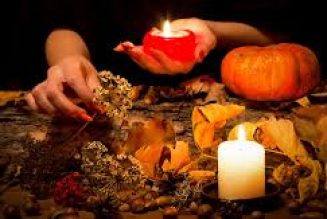
Cooking with intention can be as simple or as elaborate as you like. You might bake bread during the waxing moon to encourage growth and abundance, or prepare a hearty stew for your family to foster closeness and comfort. Many Kitchen Witches celebrate the changing seasons and the Wheel of the Year by preparing special foods for each sabbat—like honey cakes for Lammas, spiced cider for Samhain, or fresh greens for Ostara. These recipes are often passed down through generations, connecting you to your ancestors and the cycles of nature. Using local, seasonal ingredients not only supports your community and the environment, but also helps you attune to the rhythms of the earth. Even sharing a simple meal with friends or family can be a magical act, strengthening bonds, spreading joy, and creating memories that last a lifetime. You might set the table with intention, light a candle for gratitude, or offer a silent blessing before you eat. (pause)
Many of the ingredients you use in your kitchen can also be used in other forms of magic. For example, you can write a wish or intention on a bay leaf and burn it to send your desire out into the universe. Dried herbs can be placed in small sachets or charm bags for healing, protection, or luck. Salt is often sprinkled around doorways or windows to keep away negative energy, and eggshells can be crushed and scattered for protection. You might leave offerings of fruit, bread, or wine on your altar as gifts for deities, spirits, or ancestors, or brew herbal teas for healing, comfort, or divination. Lemon peels can be used for cleansing, while apples are symbols of wisdom and love. The possibilities are endless, and part of the joy of Kitchen Witchcraft is experimenting and discovering what works best for you. You can create your own recipes, rituals, and traditions, blending old wisdom with your personal touch. (pause)
You don’t need elaborate rituals or expensive tools to practice Kitchen Witchcraft. The most powerful magic often comes from simple acts of gratitude, mindfulness, and intention. You might begin by saying thank you for your food, blessing your ingredients, or focusing on your wishes as you knead dough or stir soup. Lighting a candle, playing soft music, or simply taking a moment to breathe deeply can help set the mood for magical cooking. You can create a small altar in your kitchen with a candle, a crystal, or a favorite herb, or keep a journal to record your recipes, spells, and experiences. Over time, you’ll find that every meal becomes an opportunity to connect with yourself, your loved ones, and the world around you. Kitchen Witchcraft is about finding joy and meaning in the everyday, honoring the sacred in the simple, and discovering that magic is always within reach—right in your own home, every time you cook, eat, or share a meal. (long pause)
As you embark on your journey into Kitchen Witchcraft, remember that there are no strict rules—only what feels right for you. Trust your intuition, experiment with new ingredients and rituals, and let your creativity guide you. Whether you’re preparing a feast for a special occasion or making a cup of tea on a quiet afternoon, you have the power to infuse your life with magic, intention, and love. The kitchen is your cauldron, your altar, and your sanctuary. Welcome to a world where every meal is a spell, every ingredient is a blessing, and every day is an opportunity to create a little more magic in your life..