
Author: A Solitary Pagan
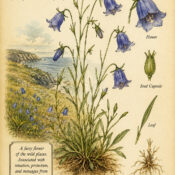

Harebell in Paganism and Witchcraft: The Fairy Flower of the Wild
Delicate, graceful, and often swaying gently in the summer breeze, the Harebell (Campanula rotundifolia) has long been associated with mystery, enchantment, and the hidden realms of nature. Found growing on heathlands, cliffs, meadows, and ancient grasslands throughout Britain and Europe, this beautiful blue wildflower has earned a special place in the folklore and magical traditions of many Pagan...
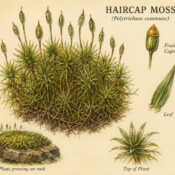

Haircap Moss in Paganism and Witchcraft: A Symbol of Endurance and Ancient Wisdom
Haircap Moss (Polytrichum commune) is one of the oldest and most resilient plants found in the woodlands, moorlands, and damp places of the world. Unlike flowering herbs, it has no colourful blooms or obvious fragrance, yet many solitary Pagans and folk practitioners value it for its quiet strength, persistence, and close connection to the ancient earth. Growing slowly across stones, fallen logs, ...


Grape Hyacinth in Paganism and Witchcraft
The grape hyacinth (Muscari spp.) is a charming spring flower known for its clusters of deep blue or purple bell-shaped blossoms that resemble tiny bunches of grapes. Although it is not as widely documented in historical magical texts as herbs such as mugwort or rosemary, modern pagan and witchcraft traditions often associate the grape hyacinth with themes of renewal, hope, fertility, and spiritua...


Greenbrier (Smilax) in Paganism and Witchcraft
Greenbrier (Smilax spp.) is a hardy, thorny vine found throughout many parts of the world, particularly in North America. While it is often regarded simply as a wild woodland plant, Greenbrier has also found a place in the spiritual practices of some modern Pagans and witches. Although historical records documenting its magical use are limited, contemporary folk magic and nature-based traditions h...
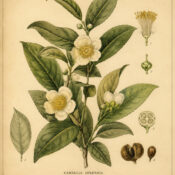

Green Tea in Paganism and Witchcraft
Green tea, derived from the leaves of the Camellia sinensis plant, is widely celebrated for its health benefits, but it also holds a meaningful place in modern pagan and witchcraft traditions. While green tea does not have the extensive historical magical associations of herbs such as mugwort or rosemary, many contemporary practitioners value it for its symbolism of purity, clarity, healing, and s...


Guava in Paganism and Witchcraft
Guava (Psidium guajava) is best known as a tropical fruit tree valued for its nutritious fruit and medicinal leaves. Although it does not occupy the same prominent place in European pagan traditions as plants such as oak, mugwort, or rowan, modern pagan and folk magic practitioners have incorporated guava into spiritual practices by drawing on its natural symbolism and traditional healing associat...


Grevillea in Paganism and Witchcraft
Grevillea is a diverse genus of flowering shrubs and trees native primarily to Australia. Known for its striking, nectar-rich blossoms and evergreen foliage, it is admired not only for its beauty but also for the symbolic qualities it holds in some modern Pagan and witchcraft traditions. Unlike herbs such as sage, mugwort, or rosemary, Grevillea does not have a long, well-documented history in anc...


Guarana in Paganism and Witchcraft
Guarana (Paullinia cupana) is a climbing plant native to the Amazon rainforest, where it has been valued for centuries by Indigenous peoples for its stimulating and medicinal properties. Although guarana is not a traditional herb in most historical European pagan or witchcraft practices, many contemporary pagans and modern witches have incorporated it into their spiritual work because of its symbo...
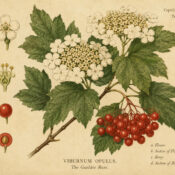

The Guelder Rose in Paganism and Witchcraft
The Guelder Rose (Viburnum opulus) has long been admired for its striking white blossoms, bright red berries, and rich symbolism. Although it is not as widely associated with magical traditions as plants such as rowan or hawthorn, the Guelder Rose has found a place in modern paganism and contemporary witchcraft through its connections with protection, transformation, and the cycles of nature. In m...


Gypsywort in Paganism and Witchcraft
Gypsywort (Lycopus europaeus) is a perennial herb that grows naturally in damp meadows, marshes, and along riverbanks throughout Europe and parts of Asia. Although it has a long history in traditional herbal medicine, Gypsywort also holds a place in modern pagan and witchcraft traditions, where it is valued more for its symbolic and magical associations than for historical evidence of widespread r...


The Use of Gum Cistus in Paganism and Witchcraft
Gum Cistus, also known as labdanum, is a fragrant resin obtained from the leaves and stems of the Cistus shrub, commonly called the rockrose. Valued since ancient times for its rich, amber-like aroma, Gum Cistus has long been associated with spirituality, ritual, and sacred ceremonies. In many modern Pagan and witchcraft traditions, it is regarded as a powerful botanical ally for purification, pro...


The Golden Club Plant in Paganism and Witchcraft
The Golden Club (Orontium aquaticum) is a distinctive aquatic plant native to wetlands in eastern North America. Recognized by its long, spear-shaped leaves and striking golden flowering spike, it has attracted admiration for its unusual beauty. While the plant has not played a major documented role in historical European pagan traditions or traditional witchcraft, some contemporary pagan and magi...