
Author: A Solitary Pagan
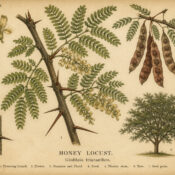

Honey Locust in Paganism & Witchcraft
The Honey Locust (Gleditsia triacanthos) is a remarkable tree known for its long, formidable thorns, delicate fern-like leaves, fragrant flowers, and sweet seed pods. Although it is not one of the most commonly used trees in traditional European witchcraft, many modern Pagans and folk practitioners have come to value it as a powerful symbol of protection, resilience, and hidden blessings. One of t...
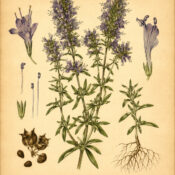

Hyssop in Paganism and Witchcraft
Hyssop (Hyssopus officinalis) has long been valued by many Pagans and witches as one of the most respected herbs for cleansing, purification, and spiritual protection. Although it is best known from ancient religious traditions, many modern practitioners have embraced hyssop for its ability to clear unwanted energy and prepare both people and sacred spaces for magical work. One of the most common ...
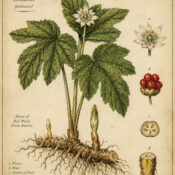

Hydrastis (Goldenseal) in Paganism and Witchcraft
Hydrastis (Hydrastis canadensis), more commonly known as Goldenseal, has long been respected as a powerful woodland herb. Although it is best known in herbal traditions, many modern Pagans and witches also value it for its strong associations with protection, purification, prosperity, and spiritual strength. Because Goldenseal is now considered an at-risk plant in many parts of North America due t...
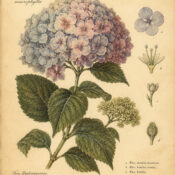

Hydrangea in Paganism and Witchcraft
Hydrangea is a beautiful flowering shrub admired for its large clusters of blooms that change colour depending on the soil. While it is more commonly known as an ornamental garden plant than a traditional magical herb, many modern Pagans and witches have found meaningful spiritual symbolism within its flowers. It is often associated with gratitude, emotional understanding, abundance, and personal ...
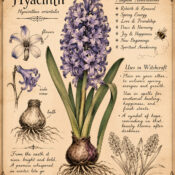

Hyacinth in Paganism and Witchcraft
The beautiful Hyacinth is one of the first flowers to bloom in spring, making it a powerful symbol of renewal, hope, rebirth, and fresh beginnings. Its sweet fragrance and vibrant colours have earned it a place in many modern Pagan and witchcraft practices, particularly those celebrating the return of light and life after the long winter months. In Pagan traditions, Hyacinth is closely linked with...
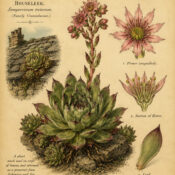

Houseleek in Paganism and Witchcraft: The Guardian of the Home
Houseleek (Sempervivum), often called “Live Forever,” has been treasured for centuries as one of the great protective plants of European folk magic. Its name Sempervivum means “always living,” reflecting its remarkable ability to survive harsh weather, drought, and poor soil. Because of this resilience, many Pagans and witches see Houseleek as a powerful symbol of endurance...
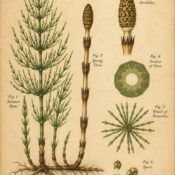

Horsetail in Paganism and Witchcraft: An Ancient Plant of Strength and Protection
Horsetail (Equisetum arvense) is one of the oldest plants on Earth, with ancestors that grew when dinosaurs still walked the land. Because of its ancient history and remarkable ability to survive through the ages, many Pagans and witches see Horsetail as a symbol of endurance, resilience, and timeless wisdom. In magical practice, Horsetail is often associated with the element of Earth, although so...


Horse Mint in Paganism and Witchcraft
Horse Mint (Monarda punctata), also known as Spotted Beebalm, is a fragrant wild herb that has long been admired for its strong scent, colourful flowers, and connection to pollinating insects. While it is better known in herbal traditions than in historical European magical texts, many modern Pagans and witches have embraced Horse Mint as a valuable plant for protection, purification, healing, and...
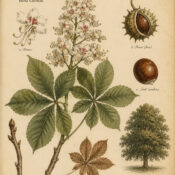

Horned Poppy in Paganism and Witchcraft
The Horned Poppy (Glaucium flavum), with its striking golden-yellow flowers and long, curved seed pods that resemble horns, has long been admired by herbalists, mystics, and those who walk a nature-based spiritual path. Growing naturally along Britain’s coastlines and other rocky shorelines throughout Europe, it is often seen as a symbol of resilience, endurance, and the power to thrive wher...
Hornbeam in Paganism and Witchcraft
Hornbeam (Carpinus betulus) is a tree that has long been admired for its remarkable strength, endurance, and resilience. Although it is often overshadowed by more famous sacred trees such as Oak, Ash, and Yew, Hornbeam has earned a quiet place within many modern Pagan and witchcraft traditions. Its dense, hard wood and ability to withstand harsh conditions make it a powerful symbol of determinatio...
Horehound (Marrubium vulgare)
Horehound (Marrubium vulgare) is one of the oldest magical herbs found in European folk traditions. Although it is best known as a medicinal plant used for coughs and colds, many Pagans and practitioners of traditional witchcraft also value it for its protective, cleansing, and healing qualities. For centuries, horehound was believed to drive away unwanted spiritual influences. It was often plante...