We would like to disclose that this website may contain affiliate links. This means that if you click on a product link and make a purchase, we may earn a commission. As an Amazon & eBay Partner Network Associate, we earn from qualifying purchases.
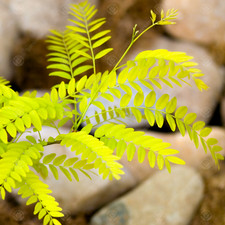
The Honey Locust (Gleditsia triacanthos) is a remarkable tree known for its long, formidable thorns, delicate fern-like leaves, fragrant flowers, and sweet seed pods. Although it is not one of the most commonly used trees in traditional European witchcraft, many modern Pagans and folk practitioners have come to value it as a powerful symbol of protection, resilience, and hidden blessings.
One of the Honey Locust’s most striking features is its impressive thorns, which can grow several inches long along the trunk and branches. In magical practice, these natural spikes are often seen as symbols of defence and personal boundaries. They remind us that kindness does not require weakness and that every individual has the right to protect their physical, emotional, and spiritual wellbeing.
Some practitioners respectfully gather naturally shed thorns and place them in protective charm bags or witch bottles. They may also be positioned near doorways or windows to symbolically discourage harmful energy from entering the home. As with all magical work involving plants, only naturally fallen material should be collected unless permission has been given and the tree is treated with respect.
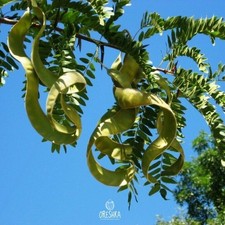
The Honey Locust’s sweet seed pods represent a different aspect of its magical nature. Hidden beneath the tree’s fierce exterior is nourishment and sweetness. This duality makes it a wonderful symbol for finding unexpected blessings after difficult experiences. It teaches that life often rewards patience, endurance, and courage.
Meditating beneath a Honey Locust tree can be a grounding experience. Many solitary Pagans use it as a place to reflect on personal growth, healing from emotional wounds, or strengthening their confidence. Its airy canopy allows sunlight to filter through gently, creating a peaceful atmosphere for contemplation.
The wood of the Honey Locust is exceptionally hard and durable. Symbolically, this makes it suitable for magical workings centred on perseverance, stability, long-term success, and inner strength. Small naturally fallen twigs may be incorporated into handmade talismans, walking staffs, or seasonal altar displays dedicated to endurance and protection.
While there are few surviving historical records linking the Honey Locust directly to ancient Pagan rituals, modern nature-based spirituality often embraces the tree for the lessons it offers. It reminds us that true strength is balanced with compassion, that boundaries are healthy, and that even life’s sharpest challenges can eventually produce sweetness and wisdom.