We would like to disclose that this website may contain affiliate links. This means that if you click on a product link and make a purchase, we may earn a commission. As an Amazon & eBay Partner Network Associate, we earn from qualifying purchases.
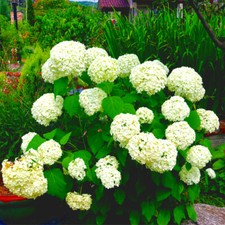
Hydrangea is a beautiful flowering shrub admired for its large clusters of blooms that change colour depending on the soil. While it is more commonly known as an ornamental garden plant than a traditional magical herb, many modern Pagans and witches have found meaningful spiritual symbolism within its flowers. It is often associated with gratitude, emotional understanding, abundance, and personal transformation.
The many tiny blossoms that make up each flower head remind practitioners that even the smallest actions can combine to create great change. For this reason, Hydrangea is often used in spells that encourage patience, long-term goals, and steady personal growth. It teaches that powerful magic is rarely instant, but develops naturally over time.
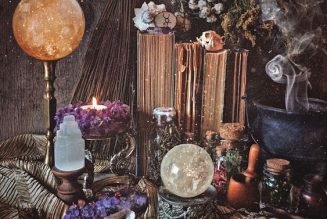
Hydrangea is also linked with heartfelt emotions and healing relationships. Some practitioners place fresh or dried blooms on an altar when performing rituals designed to promote forgiveness, understanding, or peaceful communication between family members and friends. It is believed to help soften emotional barriers and encourage compassion.
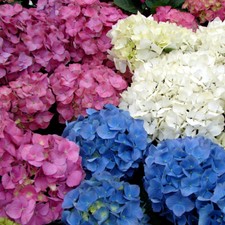
Because many Hydrangea flowers naturally shift from pink to blue or purple depending on soil conditions, they are seen as symbols of adaptability and transformation. This makes them a popular addition to spells involving life changes, spiritual awakening, or embracing a new path. They remind us that growth often comes through changing circumstances.
In garden magic, planting Hydrangeas near the home is thought by some modern practitioners to create a peaceful, welcoming atmosphere filled with harmony and emotional balance. Their large, colourful blooms are believed to attract positive energy while making the garden feel like a place of reflection and quiet meditation.
Dried Hydrangea flowers can be placed in decorative bowls on an altar, added to seasonal displays, or included in gratitude rituals during the harvest season. Some witches write intentions on small pieces of paper and place them beneath a Hydrangea bush, asking the Earth to nurture their hopes until they blossom.
Important Note: Hydrangea contains naturally occurring compounds that are poisonous if eaten. For magical purposes, it should be admired, handled carefully, and used only as a decorative or symbolic plant rather than consumed in teas or herbal preparations.
Whether growing quietly in a cottage garden or blooming beside a woodland path, Hydrangea reminds us that beauty, resilience, and spiritual growth often unfold one gentle step at a time.