
Author: A Solitary Pagan
Hop in Paganism and Witchcraft
Hop (Humulus lupulus) is best known for its use in brewing beer, but it has also held a quiet place in folk magic, Pagan traditions, and herbal witchcraft for centuries. Its twisting vines, fragrant flowers, and calming nature have made it a valued plant for those seeking peace, protection, and restful sleep. In many Pagan traditions, hop is associated with the element of Earth because of its grou...
Honeysuckle in Paganism & Witchcraft
Honeysuckle (Lonicera) has long been treasured in Paganism and Witchcraft for its associations with love, happiness, abundance, and the gentle magic of attraction. With its sweet fragrance drifting through the evening air and its climbing vines reaching ever upwards, honeysuckle has become a symbol of joyful growth, enduring affection, and the ability to draw positive energies into your life. Many...
Honewort in Paganism and Witchcraft
Honewort (Trinia glauca) is a little-known wild plant that rarely appears in modern books of Paganism and Witchcraft. Unlike herbs such as sage, mugwort, or rosemary, Honewort has very few recorded magical traditions attached to it. However, many solitary Pagans and modern practitioners enjoy working with lesser-known native plants, allowing their own experiences and connection with nature to shap...
Hollyhock in Paganism and Witchcraft
Hollyhock (Alcea rosea) is a tall, graceful plant that has long been admired for its colourful flowers and strong, upright stems. Although it is often grown as a cottage garden favourite, many Pagans and witches also value Hollyhock for its gentle spiritual qualities. It is associated with protection, fertility, abundance, and the strengthening of the home. In many forms of folk magic, Hollyhock i...
Holly Fern in Paganism and Witchcraft
Holly Fern (Cyrtomium falcatum) is an evergreen fern admired for its glossy, holly-like leaves and its ability to remain green throughout much of the year. Although it is not as widely known in traditional magical folklore as holly trees or common bracken, many modern Pagans and witches have adopted Holly Fern into their personal practice because of its symbolism of endurance, protection, and ever...
Holly in Paganism and Witchcraft
Holly (Ilex aquifolium) has long been regarded as one of the most sacred trees in European Pagan traditions. With its glossy evergreen leaves and bright red berries, it remains vibrant throughout the darkest months of winter, making it a powerful symbol of endurance, protection, and the promise that life continues even during difficult times. For many Pagans and Witches, holly reminds us that the ...
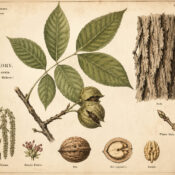

Hickory in Paganism and Witchcraft
Hickory is a tree that is often overlooked in modern Paganism and witchcraft, yet it possesses a long history of symbolism centred on strength, endurance, resilience, and wisdom. Found mainly in North America, Hickory is famous for its exceptionally hard and durable wood. Because of these qualities, many modern practitioners view it as a tree of perseverance, grounding, and quiet determination. In...
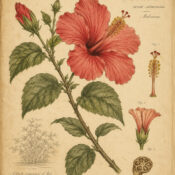

Hibiscus in Paganism and Witchcraft: A Flower of Love, Passion and Spiritual Awakening
Hibiscus is one of the most striking flowering plants found in magical practice. With its large, vibrant blooms in shades of red, pink, yellow, orange and white, it has long been associated with beauty, love, vitality and the life-giving power of the Sun. Although native to warm climates, hibiscus has found a place in many modern Pagan and witchcraft traditions because of its symbolic and energeti...
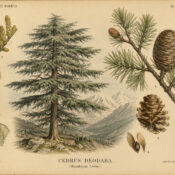

Himalayan Cedar in Paganism and Witchcraft
The Himalayan Cedar (Cedrus deodara), often known as the Tree of the Gods, has long been associated with spirituality, protection, wisdom, and sacred spaces. Native to the Himalayan mountains, this majestic evergreen has been revered for thousands of years. Its name comes from the Sanskrit word devadāru, meaning “wood of the gods,” reflecting the deep respect many ancient cultures held...
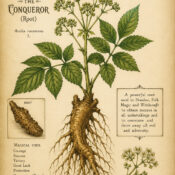

High John the Conqueror Root in Paganism and Witchcraft
High John the Conqueror Root is one of the most respected magical roots in modern folk magic and has long been associated with strength, courage, success, and overcoming adversity. Although its strongest historical roots lie within the African American spiritual tradition of Hoodoo, many modern Pagans and witches have adopted it into their own magical practices because of its symbolism of resilien...
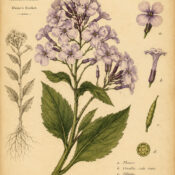

Hesperis in Paganism and Witchcraft: The Fragrant Flower of Twilight
Hesperis, more commonly known as Dame’s Rocket (Hesperis matronalis), is a graceful flowering plant that has long been associated with the quiet magic of dusk, beauty, love, and the mysteries that unfold between daylight and darkness. Although it is not one of the most frequently mentioned herbs in surviving medieval grimoires, modern Pagans and witches often value Hesperis for its symbolism...
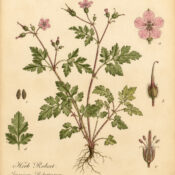

Herb Robert (Geranium robertianum) in Paganism and Witchcraft
Herb Robert (Geranium robertianum) is a small but remarkable wildflower that has quietly earned a place in the folklore and magical traditions of Europe. Often found growing along woodland edges, old stone walls, hedgerows, and shaded pathways, this delicate plant is easily recognised by its pink five-petalled flowers and reddish stems. Although it is well known in traditional herbalism, many Paga...