
Author: A Solitary Pagan


Gambir in Paganism and Witchcraft
Gambir, a plant derived primarily from Uncaria gambir, has long been valued throughout Southeast Asia for its medicinal, tanning, and dyeing properties. While its documented historical uses are largely practical and therapeutic, some modern practitioners of paganism and folk magic have incorporated gambir into their spiritual practices because of its natural symbolism and traditional associations ...


Gooseberry in Paganism and Witchcraft
The gooseberry (Ribes uva-crispa) is a hardy, thorny shrub that has long been valued for its nourishing fruit and protective qualities. Although it is not as commonly featured in magical traditions as herbs such as mugwort or rosemary, gooseberry has found a place in modern paganism and folk witchcraft through its symbolism of resilience, abundance, and protection. In many nature-based spiritual p...
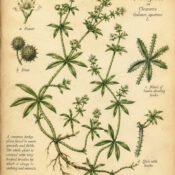

Goosegrass in Paganism and Witchcraft
Goosegrass (Galium aparine), also known as cleavers, sticky weed, or catchweed, is a common hedgerow plant that has long held a place in European folk traditions. While it is best known today as a medicinal herb, many modern Pagans and practitioners of witchcraft also value Goosegrass for its symbolic and magical associations. These uses are largely based on folklore, personal spiritual practice, ...
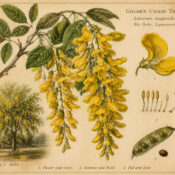

The Golden Chain Tree in Paganism and Witchcraft
The Golden Chain Tree (Laburnum anagyroides), admired for its cascading clusters of brilliant yellow flowers, has long captured the imagination of those who practice modern paganism and witchcraft. Although it is not among the most commonly used sacred trees in historical European folklore, its striking beauty and symbolic qualities have earned it a place in some contemporary magical traditions. P...
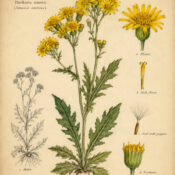

Golden Ragwort in Paganism and Witchcraft
Golden Ragwort (Packera aurea, formerly Senecio aureus) is a bright yellow wildflower that blooms in spring and has long been admired for its vibrant appearance and connection to the changing seasons. While it is not among the most famous magical herbs, modern pagans and folk practitioners sometimes include Golden Ragwort in symbolic rituals inspired by nature, renewal, and the cycles of life. In ...
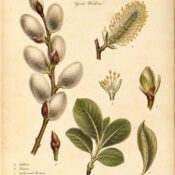

The Use of Goat Willow in Paganism and Witchcraft
Goat Willow (Salix caprea), sometimes known as pussy willow because of its soft spring catkins, has long held symbolic and spiritual significance in various pagan traditions and modern witchcraft. As one of the first trees to show signs of life after winter, it is closely associated with renewal, fertility, intuition, and the returning energy of spring. In many European pagan beliefs, willow trees...
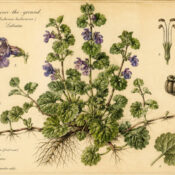

Gill-over-the-Ground (Glechoma hederacea) in Paganism and Witchcraft
Gill-over-the-ground (Glechoma hederacea), also known as ground ivy, creeping charlie, or alehoof, is a humble woodland herb that has long held a place in European folk magic, pagan traditions, and modern witchcraft. Although often regarded as a common garden plant, its rich history reveals a deep connection with protection, healing, and spiritual awareness. In traditional pagan beliefs, Gill-over...
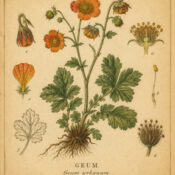

The Use of Geum in Paganism and Witchcraft
Geum is a flowering perennial herb belonging to the rose family (Rosaceae). Known for its bright yellow, orange, or red blossoms and clove-scented roots in some species, Geum has long been valued in European folklore and traditional herbal practices. While historical evidence for its ritual use is limited compared with herbs such as mugwort or vervain, modern Pagan and witchcraft traditions often ...
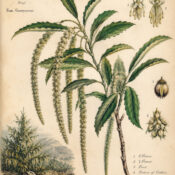

Garrya in Paganism and Witchcraft
Garrya is a genus of evergreen shrubs and small trees native to North and Central America. Known for its graceful, dangling catkins and hardy nature, it has become appreciated not only as an ornamental plant but also by some modern Pagan and witchcraft practitioners who value the symbolic qualities of plants. Unlike herbs with long-established magical traditions, Garrya has relatively little docum...
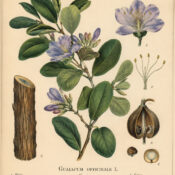

Guaiacum in Paganism and Witchcraft
Guaiacum, often called lignum vitae or the “wood of life,” is a slow-growing tree native to the Caribbean and parts of Central and South America. While it is best known for its exceptionally dense wood and traditional medicinal uses, Guaiacum has also found a place in some modern Pagan and witchcraft traditions. Its symbolic qualities, rather than any universally established historical...
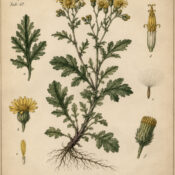

Groundsel in Paganism and Witchcraft
Groundsel (Senecio vulgaris) is a humble wild herb that has long been associated with folk magic, pagan traditions, and certain forms of modern witchcraft. Although often dismissed as a common weed, Groundsel has held symbolic importance for practitioners who value the spiritual qualities of plants found growing naturally in fields, gardens, and pathways. In many pagan traditions, Groundsel repres...
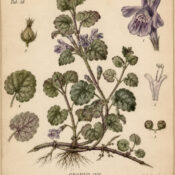

Ground Ivy in Paganism and Witchcraft
Ground ivy (Glechoma hederacea), also known as Creeping Charlie, Gill-over-the-Ground, and Alehoof, has long been valued in European folklore, traditional herbalism, and magical practice. Its ability to spread quickly across the earth and remain green throughout much of the year has made it a symbol of resilience, protection, and the enduring connection between humanity and the natural world. Whil...