
Author: A Solitary Pagan
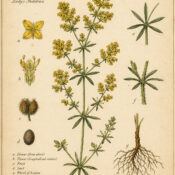

Galium in Paganism and Witchcraft
The plant Galium, commonly known as bedstraw or cleavers depending on the species, has long held a place in European folklore, pagan traditions, and magical practices. Valued for both its practical and symbolic qualities, Galium has been associated with protection, purification, love, and prosperity. While historical evidence varies between species, many modern pagans and practitioners of folk mag...
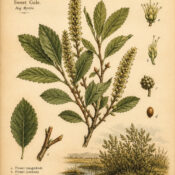

Sweet Gale in Paganism and Witchcraft
Sweet Gale (Myrica gale), sometimes called bog myrtle, is a fragrant shrub that has long been valued in European folklore, traditional herbalism, and magical practice. Growing naturally in wetlands and moorlands, it has been associated with protection, purification, and the unseen world for centuries. While historical evidence for specific magical uses varies, Sweet Gale remains a respected botani...


Gaultheria in Paganism and Witchcraft
Gaultheria, commonly known as wintergreen or teaberry, is a low-growing evergreen plant valued for its aromatic leaves and bright red berries. While it is widely recognized for its medicinal and culinary uses, Gaultheria also holds symbolic significance in various pagan and modern witchcraft traditions. Its evergreen nature, refreshing fragrance, and association with healing have made it a meaning...
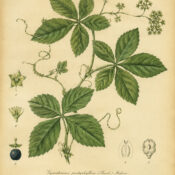

Gynostemma in Paganism and Witchcraft
Gynostemma (Gynostemma pentaphyllum), often called “Jiaogulan” or the “herb of immortality,” is primarily known in traditional Asian herbal practices for its reputed health-supporting properties. Although it does not have a long-established historical role in European paganism or traditional Western witchcraft, many contemporary pagan and magical practitioners have adopted ...


Gumweed in Paganism and Witchcraft
Gumweed (Grindelia spp.) is a hardy flowering plant native to North and South America, recognized by its bright yellow daisy-like blossoms and sticky, resin-coated buds. While it is best known in herbal medicine for supporting respiratory health, Gumweed also holds a modest place in modern paganism and contemporary witchcraft. Its magical uses are largely inspired by its natural characteristics, t...
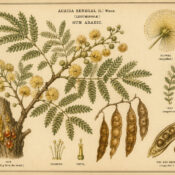

Gum Arabic in Paganism and Witchcraft
Gum Arabic is a natural resin obtained primarily from Acacia trees, especially Acacia senegal and Acacia seyal. For centuries it has been valued for its many practical uses in food, medicine, art, and industry. Beyond these everyday applications, Gum Arabic has also found a place in certain pagan and witchcraft traditions, where it is appreciated for its symbolic and ritual qualities rather than a...
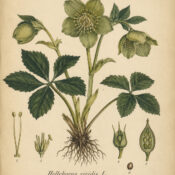

Green Hellebore in Paganism and Witchcraft
Green Hellebore (Helleborus viridis) is a perennial flowering plant that has long been associated with folklore, mystery, and magical traditions. Native to parts of Europe, it has attracted attention not only for its striking green blossoms but also for its historical reputation as a plant of power. In many forms of modern paganism and witchcraft, Green Hellebore is viewed symbolically rather than...
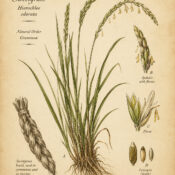

Sacred Grasses in Paganism and Witchcraft
Sacred grasses have held an important place in paganism and witchcraft for centuries, symbolizing life, protection, fertility, and the enduring connection between humanity and nature. Across many ancient cultures, grasses were viewed as more than simple plants; they were believed to contain spiritual energy that could be used in rituals, ceremonies, and magical practices. Their resilience, ability...
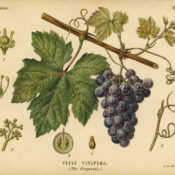

Grapevine in Paganism and Witchcraft
The grapevine (Vitis vinifera) has long been regarded as a sacred and magical plant in many pagan traditions and forms of modern witchcraft. Valued for its ability to produce abundant fruit while enduring seasonal cycles of growth, death, and renewal, the grapevine symbolizes fertility, prosperity, transformation, and the continuous cycle of life. In ancient pagan cultures, grapevines were closely...
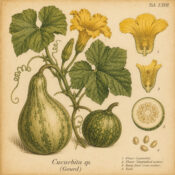

The Use of Gourd in Paganism and Witchcraft
Throughout history, the gourd has held symbolic and practical significance in many pagan traditions and forms of folk magic. While it is best known as a useful plant for food and crafting containers, many practitioners of modern Paganism and witchcraft also value the gourd for its associations with abundance, protection, fertility, and the cycles of nature. In many nature-based spiritual paths, go...
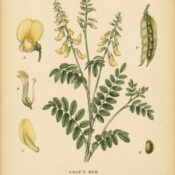

Goat’s Rue in Paganism and Witchcraft
Goat’s Rue (Galega officinalis) is a flowering herb with a long history in European folk traditions. Although it is best known for its historical use in herbal medicine and agriculture, some modern Pagan and witchcraft practitioners also incorporate Goat’s Rue into their spiritual practices. Its magical associations are rooted primarily in folklore, personal gnosis, and contemporary co...
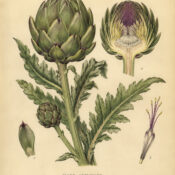

The Use of Globe Artichoke in Paganism and Witchcraft
The globe artichoke (Cynara scolymus) is best known as a nutritious vegetable, but it also holds symbolic significance in certain pagan and modern witchcraft traditions. Although it does not have as extensive a magical history as herbs such as sage, rosemary, or mugwort, the globe artichoke is valued for its associations with protection, abundance, self-discovery, and the heart. The artichoke̵...