
Author: A Solitary Pagan


Gorse in Paganism and Witchcraft
Gorse (Ulex europaeus) is a hardy, evergreen shrub covered in brilliant golden-yellow flowers that bloom across much of the year. Found throughout Europe, particularly in coastal and heathland landscapes, it has long held symbolic and magical significance in pagan traditions and modern witchcraft. Its resilience, vibrant color, and protective thorns have made it a respected plant in folklore and s...


Good King Henry in Paganism and Witchcraft
Good King Henry (Blitum bonus-henricus), sometimes called Poor Man’s Asparagus or Lincolnshire Spinach, is a hardy perennial herb that has long been valued for both its practical and symbolic qualities. While it is best known as an edible plant, modern pagan and folk magical traditions also associate it with protection, prosperity, and the nurturing energies of the earth. In contemporary pag...
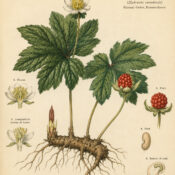

Goldenseal in Paganism and Witchcraft
Goldenseal (Hydrastis canadensis) is a perennial herb native to eastern North America. While it is best known for its traditional medicinal uses, it also holds a place in some modern pagan and witchcraft practices. Its bright yellow roots have long been associated with symbolism, protection, and spiritual cleansing, making it a valued botanical in certain magical traditions. However, these uses ar...
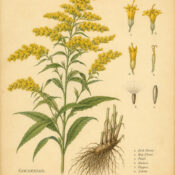

Goldenrod in Paganism and Witchcraft
Goldenrod (Solidago spp.) has long been valued in many modern pagan and witchcraft traditions for its bright golden flowers and symbolic associations with abundance, prosperity, protection, and positive energy. Blooming in late summer and early autumn, goldenrod is often seen as a reminder of the sun’s enduring warmth before the arrival of winter, making it a meaningful plant in seasonal cel...
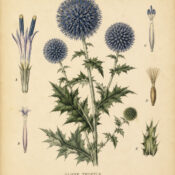

Globe Thistle in Paganism and Witchcraft
Globe thistle (Echinops spp.) is a striking plant recognized for its spherical blue or purple flower heads and spiny foliage. While it is better known as an ornamental garden plant, many modern Pagans and practitioners of witchcraft have adopted globe thistle into their spiritual and magical practices. Its symbolism is largely inspired by its appearance, traditional folklore surrounding thorny pla...
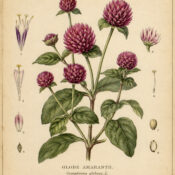

Globe Amaranth in Paganism and Witchcraft
Globe amaranth (Gomphrena globosa) is a vibrant flowering plant admired for its round, clover-like blooms that retain their color long after being harvested. While it is best known as an ornamental and medicinal herb, many modern pagans and practitioners of witchcraft also value globe amaranth for its symbolic and magical associations. Although historical evidence of its use in ancient pagan tradi...


Ginkgo in Paganism and Witchcraft
Ginkgo (Ginkgo biloba), often called the maidenhair tree, is one of the oldest living tree species on Earth. Its remarkable resilience and long history have made it a powerful symbol in many spiritual traditions, including modern paganism and witchcraft. While its use varies among different paths and practitioners, ginkgo is commonly associated with wisdom, endurance, longevity, and balance. In pa...


Ginger in Paganism and Witchcraft
Ginger has long been valued in many spiritual traditions for its warmth, vitality, and powerful symbolic associations. In modern paganism and various forms of witchcraft, it is often regarded as an herb that represents energy, courage, prosperity, passion, and protection. While practices vary widely among traditions and practitioners, ginger is commonly included in rituals, spellwork, and seasonal...
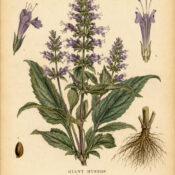

Giant Hyssop in Paganism and Witchcraft
Giant hyssop (Agastache species) is a fragrant flowering herb valued for its beauty, medicinal properties, and symbolic significance in many modern Pagan and witchcraft traditions. Although it is distinct from the biblical hyssop (Hyssopus officinalis), many contemporary practitioners associate giant hyssop with similar themes of purification, healing, and spiritual protection. In modern Pagan pra...
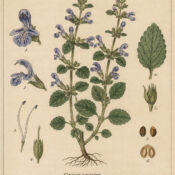

Germander in Paganism and Witchcraft
Germander (genus Teucrium) is a small flowering herb that has been valued for centuries in both traditional herbal practices and spiritual traditions. While it is not as widely known as herbs such as mugwort, rosemary, or sage, germander has found a place in some forms of modern Paganism and contemporary witchcraft because of its symbolic associations with protection, purification, and resilience....
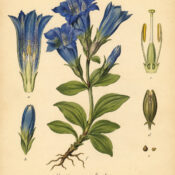

Gentian in Paganism and Witchcraft
Gentian is a striking mountain plant known for its vivid blue flowers and intensely bitter roots. Throughout European folklore, traditional herbalism, and modern Pagan practices, gentian has earned a reputation as a plant of strength, protection, and resilience. While historical evidence for its magical use is less extensive than for herbs such as mugwort or rosemary, contemporary Pagan and witchc...
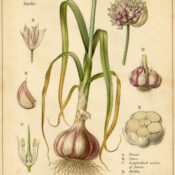

Garlic in Paganism and Witchcraft
Garlic has long been regarded as one of the most powerful magical herbs in paganism and witchcraft. Beyond its well-known culinary and medicinal uses, it has been valued for centuries as a symbol of protection, purification, and spiritual strength. Many ancient cultures believed that garlic possessed the ability to ward off harmful energies, making it a staple ingredient in magical practices and f...