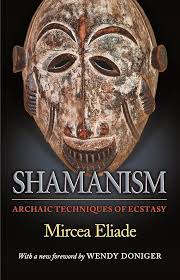
If you’re curious about shamanism—where it comes from, what it means, and how it’s practiced—there’s one book that stands out above the rest. It’s called “Shamanism: Archaic Techniques of Ecstasy” by Mircea Eliade. First published in 1951, this book is still considered a classic and a must-read for anyone interested in shamanism, spirituality, or the roots of world religions.
Eliade’s book is famous for its sweeping look at shamanic traditions from all over the world. He explores the lives and practices of shamans in places like Siberia, Central Asia, the Americas, and Oceania. For example, he describes how Siberian shamans use drumming and chanting to enter trance states, and how Amazonian shamans might use special plants to connect with the spirit world. These details help readers see both the similarities and the unique differences between cultures.
One of the most fascinating parts of the book is how Eliade explains the role of the shaman. Shamans are often seen as healers, guides, and mediators between the human world and the spirit world. Eliade describes the intense training shamans go through, which can include long periods of isolation, visionary dreams, and even near-death experiences. He shares stories of shamans who journey to the “upper world” or “lower world” to seek guidance or healing for their communities.
The book also dives into the tools and symbols that are important in shamanic practice. Eliade talks about the use of drums, rattles, costumes, and masks, and how these objects help shamans shift their consciousness. He explains rituals like soul retrieval, spirit animal journeys, and the use of sacred plants. For example, in some cultures, the drumbeat is said to mimic the heartbeat of the earth, helping the shaman travel between worlds.
Eliade’s research goes beyond just describing rituals. He looks at the myths, stories, and symbols that shape shamanic traditions. He explains how the idea of the “world tree” or “axis mundi” appears in many cultures, representing a bridge between the heavens, earth, and underworld. These symbols have influenced not just shamanism, but also other religions and spiritual paths, from ancient times to today.
One interesting anecdote Eliade shares is about the initiation of a Siberian shaman. The candidate often experiences a symbolic death and rebirth, sometimes described as being taken apart and rebuilt by spirits. This powerful experience is meant to prepare the shaman for their role as a healer and guide. Similar stories appear in other cultures, showing how universal some shamanic themes can be.
The impact of Eliade’s book has been huge. It helped introduce the idea of shamanism to a wider audience and inspired generations of scholars, writers, and spiritual seekers. Many modern practitioners of witchcraft, neo-shamanism, and paganism have read Eliade’s work to better understand the roots of their own practices. His book is often used in university courses on religion, anthropology, and psychology.
However, it’s important to know that Eliade’s book isn’t perfect. Some readers find his writing style very academic and a bit hard to follow, especially if you’re new to the topic. Also, some of his ideas are quite broad and don’t always fit every culture or tradition. Since the book was written, new research has added more details and different perspectives, especially from Indigenous voices and modern shamans.
For example, Eliade sometimes describes shamanism as a single, unified tradition, but today we know that shamanic practices are incredibly diverse. What works in one culture might not make sense in another. Modern scholars and practitioners encourage people to learn directly from Indigenous teachers and to respect the unique traditions of each community.
Even with these limitations, “Shamanism: Archaic Techniques of Ecstasy” remains a foundational book. It’s a great starting point if you want to understand the big picture of shamanism and how it has shaped spiritual beliefs around the world. Many people find inspiration in Eliade’s stories and use them as a jumping-off point for their own spiritual journeys.
If you’re just beginning to explore shamanism, don’t be afraid to take your time with this book. You might want to read it alongside more modern guides or even attend workshops or circles where you can experience shamanic practices firsthand. Remember, shamanism is as much about personal experience as it is about study.
In summary, Mircea Eliade’s “Shamanism: Archaic Techniques of Ecstasy” is a classic that has shaped how we think about shamanism today. It’s packed with stories, rituals, and insights from cultures around the world. While it’s a bit scholarly, it’s also a treasure trove for anyone curious about the roots of spiritual practice. If you’re ready to dive deeper into the world of shamans, this book is a wonderful place to start your journey.