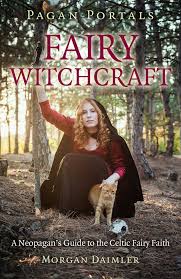
If you’re interested in modern witchcraft and Celtic folklore, “Pagan Portals – Fairy Witchcraft: A Neopagan’s Guide to the Celtic Fairy Faith” is a great book to start with. I recently finished reading it, and I want to share what I learned, along with some of my own experiences as I tried out the ideas in the book.
The book is very easy to read and understand. The author does a great job connecting old Celtic fairy stories with modern witchcraft. In the first chapters, you’ll learn about the basics of the Celtic Fairy Faith—where it comes from, what fairies are, and why people respect them. The author explains the different types of fairies, their roles in nature, and why it’s important to be careful and respectful when working with them. Fairies are not just cute or playful—they are powerful and deserve respect.
One thing I liked most about this book is how practical it is. The author gives lots of advice on how to safely honor and connect with fairies. You’ll learn how to set boundaries, make offerings, and notice signs that fairies might be nearby. The author shares real stories, like finding small gifts in the garden or feeling a change in the air during a walk in the woods. These stories make the advice feel real and possible for anyone. I tried leaving a bowl of milk and honey under an old oak tree, and the next day, the area felt lighter, as if the spirits had accepted my gift.
The book also explains the main beliefs of fairy witchcraft, like animism (the idea that everything is alive), the connection between all living things, and the cycles of nature. These ideas are explained simply, so even beginners can understand. There are clear instructions for making your own fairy altar, choosing tools and symbols, and using natural things like stones, feathers, and flowers. The author talks about using color magic, candle rituals, and crystals—especially copper and Stellar Beam Calcite, which are said to attract fairy energy. I added a piece of copper to my altar, and my next meditation felt different and more peaceful.
The book has special chapters about the main Celtic festivals, like Samhain, Beltane, and Lughnasadh. Each festival is explained with its history, stories, and ideas for rituals and offerings. For example, there’s a simple Samhain ritual using apples, candles, and notes to connect with ancestors and fairies. There are also group activities, like meditations and seasonal ceremonies, to help you build your intuition and connect with the spirits. I tried making a flower crown for Beltane with friends, and it was a fun and meaningful way to celebrate.
Throughout the book, you’ll find many practical exercises—like grounding meditations, candle magic, journaling prompts, and group ceremonies. These activities help you notice the subtle energies of the land and the fairy world. One exercise I liked was leaving a small, natural offering at the edge of a wild place, then sitting quietly to see if anything feels different. The author also suggests keeping a magical journal to record dreams, signs, and ritual experiences. This helped me see patterns and feel more connected to the unseen world.
Sometimes, the book moves quickly through complicated topics. If you want a deep, academic look at fairy history, you might wish for more detail. For example, the parts about where the Sidhe come from or how fairy beliefs changed over time are not very long. But if you want a practical and easy-to-follow guide, this book is perfect.
The book also talks about how to include gods, ancestors, and local spirits in your practice. The author gives gentle advice on how to build relationships with these beings, whether you practice alone or with others. There are ideas for honoring land spirits, remembering your ancestors, and connecting with deities like Brigid or the Dagda. I found this section helpful for making my practice feel more personal and connected to where I live.
You’ll also learn about magical tools and rituals. The book has step-by-step guides for making wands, protective charms, and using tarot or runes to talk to the fairy realm. The author shares stories about making tools from things found in nature, like a wand from a fallen branch or a charm bag with herbs picked at dawn. These stories inspired me to look for magical possibilities in everyday things.
The author’s writing is warm and encouraging. There’s a strong focus on being ethical—respecting the land, asking spirits for permission, and practicing magic with gratitude. The book encourages you to try things out, change rituals to fit your needs, and trust your own instincts. I often remembered the advice to “listen to the land and the spirits,” which has become important in my own practice.
In summary, “Pagan Portals – Fairy Witchcraft” is a wonderful book for anyone interested in fairy magic, Celtic spirituality, or starting a witchcraft practice. It’s especially good for beginners and for people who want a mix of history, practical tips, and spiritual ideas. If you want inspiration and a solid foundation for your magical journey, I highly recommend this book. It invites you to gently explore a world full of wonder and connection with nature and the unseen.
Whether you’re just beginning or want to deepen your relationship with the fairy realm, this book gives you lots of ideas, encouragement, and practical wisdom. It’s a friendly and helpful introduction to a magical world—and I’m glad to have it on my shelf. If you’re ready to start your own fairy witchcraft journey, let this guide help you discover the magic all around you.