We would like to disclose that this website may contain affiliate links. This means that if you click on a product link and make a purchase, we may earn a commission. As an Amazon & eBay Partner Network Associate, we earn from qualifying purchases.
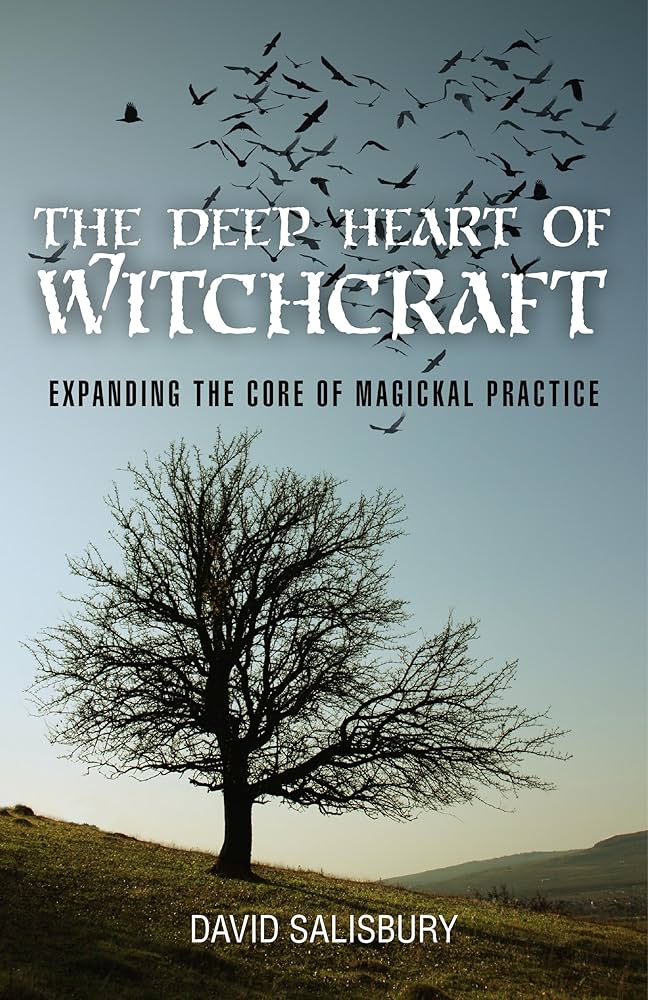
“Embark on Your Witchcraft Journey: A Guide to Finding Your Path”—a book that serves as both a gentle introduction and a practical companion for anyone curious about modern witchcraft, whether you’re just starting out or looking to enrich your existing practice.
One of the book’s greatest strengths is how it grounds witchcraft in real, everyday connection. The author beautifully illustrates that witchcraft isn’t just about abstract ideas or distant traditions, but about forming a living, breathing relationship with the world around you—through the elements, guardians, spirits, and deities. For beginners, this approach makes the practice feel accessible and meaningful, while experienced practitioners will appreciate the reminder to stay rooted in daily life. The book encourages you to notice the magick in simple moments: the way sunlight filters through leaves, the scent of herbs in your kitchen, or the feeling of bare feet on the earth.
The book covers the four elements—Earth, Air, Fire, and Water—as the foundation of magickal practice. Each element is explained with practical examples and exercises: Earth for grounding and stability, such as walking barefoot in the grass or tending to a garden; Air for clarity and inspiration, like mindful breathing or journaling your thoughts; Fire for transformation and passion, which could be as simple as lighting a candle with intention or dancing to release energy; and Water for healing and intuition, perhaps through ritual baths or meditating by a stream. These explanations are clear and easy to follow, making it simple for readers to incorporate elemental work into their rituals, meditations, or even daily routines. The book also offers suggestions for connecting with each element in urban environments, ensuring that everyone can participate, no matter where they live.
Another highlight is the section on guardians, spirits, and deities. The book demystifies these concepts, showing how calling on these energies can bring guidance, protection, and a sense of companionship to your practice. Whether you’re drawn to ancient gods and goddesses, the wisdom of ancestors, or the spirit of the land where you live, the book offers respectful and inclusive advice for building these relationships. There are sample prayers, meditations, and rituals for reaching out to these energies, as well as tips for recognizing signs and messages in your everyday life. The author emphasizes that you don’t need to follow a specific pantheon or tradition—your path is uniquely yours, and your connections can be as simple or as elaborate as you wish.
The author also provides a helpful overview of common witchcraft tools—like the athame, chalice, pentacle, and wand—explaining their uses, symbolism, and history. There’s a strong emphasis on using what you have, and finding meaning in simple objects like feathers, salt, or herbs from your kitchen. For example, a kitchen knife can stand in for an athame, a favorite mug can become your chalice, and a stone from a special place can serve as your pentacle. This makes the book especially welcoming for those just starting out, or for anyone practicing on a budget. The book also includes creative ideas for crafting your own tools, infusing them with personal energy and intention.
Rituals and spells are at the heart of the book. Readers will find step-by-step guidance for casting circles, working with the moon’s phases, and creating spells for abundance, protection, love, or healing. The instructions are practical and easy to adapt, with plenty of encouragement to trust your intuition and personalize your rituals. The author shares sample spells, but also explains how to write your own, empowering you to create magick that truly resonates with your needs and desires. There are also tips for keeping a grimoire or Book of Shadows, recording your experiences, and reflecting on your growth over time.
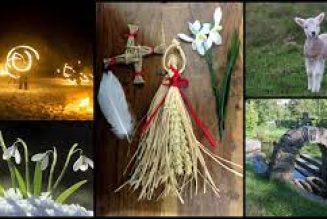
The book also explores the wheel of the year, introducing the major sabbats—Samhain, Yule, Imbolc, Ostara, Beltane, Litha, Lammas, and Mabon. Each festival is described with historical background, modern interpretations, and ideas for celebration and reflection. Whether you’re celebrating alone or with a group, you’ll find suggestions for rituals, crafts, seasonal foods, and journaling prompts to help you connect with the cycles of nature and your own personal growth. The book encourages you to honor these turning points in ways that feel authentic, whether that means lighting a single candle or hosting a full ritual with friends.
Ultimately, “Embark on Your Witchcraft Journey” stands out for its warmth, encouragement, and inclusivity. The author reminds us that witchcraft is a personal journey, and the most important lessons come from our own experiences—both successes and mistakes. The tone is supportive and non-judgmental, inviting you to explore at your own pace and trust your instincts. There are stories from the author’s own path, as well as quotes and insights from other practitioners, making the book feel like a conversation with a wise and caring friend.
If you’re looking for a guide that’s practical, inclusive, and rooted in real connection, this book is a wonderful place to start your journey—or to deepen the path you’re already on. Whether you’re seeking structure, inspiration, or simply reassurance that you’re not alone, “Embark on Your Witchcraft Journey” offers a wealth of wisdom, practical tools, and heartfelt encouragement for witches of all backgrounds and experience levels.