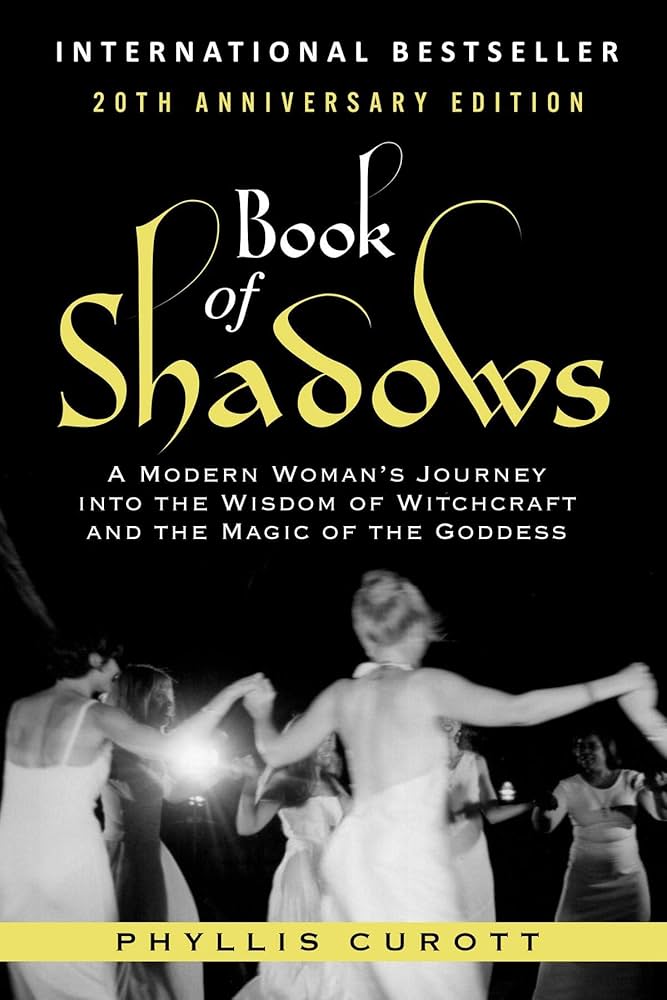
Book of Shadows by Phyllis Curott is more than just a memoir—it’s an invitation to step into the world of modern Witchcraft through the eyes of someone who began as a skeptic and emerged as a respected High Priestess. This book is a bridge between the mundane and the magical, offering readers a rare glimpse into the personal transformation that can occur when one dares to question, explore, and ultimately embrace a path that is often misunderstood. Through her honest storytelling, Phyllis opens the door for anyone curious about the Craft to see what lies beyond the stereotypes and misconceptions.
Phyllis Curott, once a successful Manhattan lawyer, found herself yearning for a deeper sense of meaning and connection. Her days were filled with the relentless pace of city life, courtrooms, and corporate meetings, yet she felt a persistent emptiness—a longing for something more profound. Her journey into Witchcraft began not with spells or rituals, but with a search for authenticity and spiritual fulfillment. She was drawn to a path that challenged the stereotypes and misconceptions so often portrayed in movies and media. Instead of accepting the narrative of witches as villains or outcasts, Phyllis sought to uncover the truth behind the Craft, motivated by a desire to find her own spiritual home. Her story is a reminder that the search for meaning can lead us to unexpected and magical places.
Instead of the dark, sinister images that dominate popular culture, Phyllis discovered a vibrant community rooted in ancient wisdom, reverence for nature, and the celebration of the Divine Feminine. She encountered no secretive cults or malevolent rituals. What she found was a living tradition—one that honors the earth, the cycles of the seasons, and the interconnectedness of all life. Through her experiences, she met people from all walks of life: artists, teachers, healers, and seekers, each bringing their own unique perspective to the Craft. Together, they celebrated the turning of the Wheel of the Year, gathered for rituals under the full moon, and shared stories that connected them to generations past. The community she found was welcoming, supportive, and deeply committed to personal and collective growth. This sense of belonging and shared purpose became a cornerstone of her spiritual journey.
In her memoir, Phyllis recounts her transformation from a rational, analytical lawyer to a practitioner of magic and eventually a High Priestess. She describes the challenges of integrating her newfound beliefs with the demands of her legal career, which often prioritized logic and competition over intuition and compassion. Through her story, we see how Witchcraft became a source of empowerment, healing, and personal growth. She shares moments of doubt and vulnerability—times when she questioned her path or struggled to reconcile her public and private selves. Yet, with each ritual, meditation, and act of magic, she grew more confident in her abilities and more attuned to the rhythms of nature. Her journey is a testament to the power of embracing both reason and intuition, and to the courage it takes to walk a path less traveled. Phyllis’s willingness to be vulnerable and honest about her struggles makes her story relatable and inspiring for anyone on a spiritual quest.
Phyllis delves into the rich history of Witchcraft, tracing its roots back to pre-Christian Europe. She explores the roles of wise women, healers, and midwives—figures who were once respected members of their communities but later faced persecution and secrecy during times of fear and misunderstanding. The book highlights the resilience of these traditions and their revival in the modern era as a path for spiritual awakening and self-discovery. She recounts stories of ancient festivals, such as Beltane and Samhain, and explains how these celebrations honored the cycles of life, death, and rebirth. Phyllis also addresses the impact of the witch hunts and the ways in which the Craft survived through folklore, family traditions, and the quiet persistence of those who refused to let the old ways die. By connecting the past to the present, she invites readers to reclaim their own spiritual heritage and to honor the wisdom of those who came before. This historical perspective enriches the reader’s understanding of Witchcraft as a living, evolving tradition.
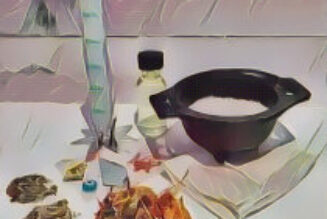
Throughout “Book of Shadows,” Phyllis introduces readers to foundational Witchcraft practices. She explains how to cast circles for sacred space, call the quarters to honor the elements, and work with the cycles of the moon and sun. The book offers practical rituals and spells for connecting with the Goddess and God, manifesting change, and finding harmony in everyday life. For example, she shares rituals for the solstices and equinoxes, guidance on creating personal altars, and tips for journaling magical experiences. She describes the importance of intention in magic, teaching readers how to focus their energy and visualize their desires. Phyllis also provides examples of simple spells—such as lighting a candle for clarity, creating a charm bag for protection, or using herbs and crystals to enhance well-being. Each practice is presented with clear instructions and personal anecdotes, making them accessible to beginners and meaningful for experienced practitioners alike. These practical tools empower readers to begin their own magical journey with confidence.
The memoir also serves as a practical guide, blending personal narrative with step-by-step instructions. Phyllis emphasizes that Witchcraft is not about escaping reality, but about engaging with it more deeply—finding magic in the ordinary and sacredness in the everyday. She encourages readers to trust their intuition, embrace curiosity, and approach the Craft with courage and openness. She offers advice on building a daily practice, from morning meditations to evening gratitude rituals, and suggests ways to incorporate magic into mundane tasks like cooking, cleaning, or gardening. Phyllis also addresses common fears and misconceptions, reassuring readers that Witchcraft is a path of empowerment, not fear. She invites everyone to experiment, make mistakes, and learn from their experiences, reminding us that the journey is just as important as the destination. By weaving together practical advice and personal wisdom, Phyllis creates a supportive guide for anyone seeking to bring more magic into their life.
“Book of Shadows” is both a deeply personal story and a comprehensive introduction to Witchcraft. It invites you to explore the mysteries of the Craft, reflect on your own spiritual path, and discover the transformative power of honoring nature, tradition, and the divine within yourself. Whether you are new to Witchcraft or seeking to deepen your practice, Phyllis Curott’s journey offers inspiration, wisdom, and practical tools for your own magical path. The book concludes with encouragement to continue learning, to seek out community, and to trust in the unfolding of your unique journey. Through her words, Phyllis reminds us that magic is not something reserved for a chosen few—it is available to all who are willing to listen, learn, and open their hearts to the wonders of the world around them. Ultimately, “Book of Shadows” is an invitation to step boldly onto your own path, to honor your intuition, and to celebrate the magic that exists within and all around you.